




Global Market Outlook for Wall Printing Machines in 2026
How Is the Wall Printer Machine Market Expected to Evolve by 2026?
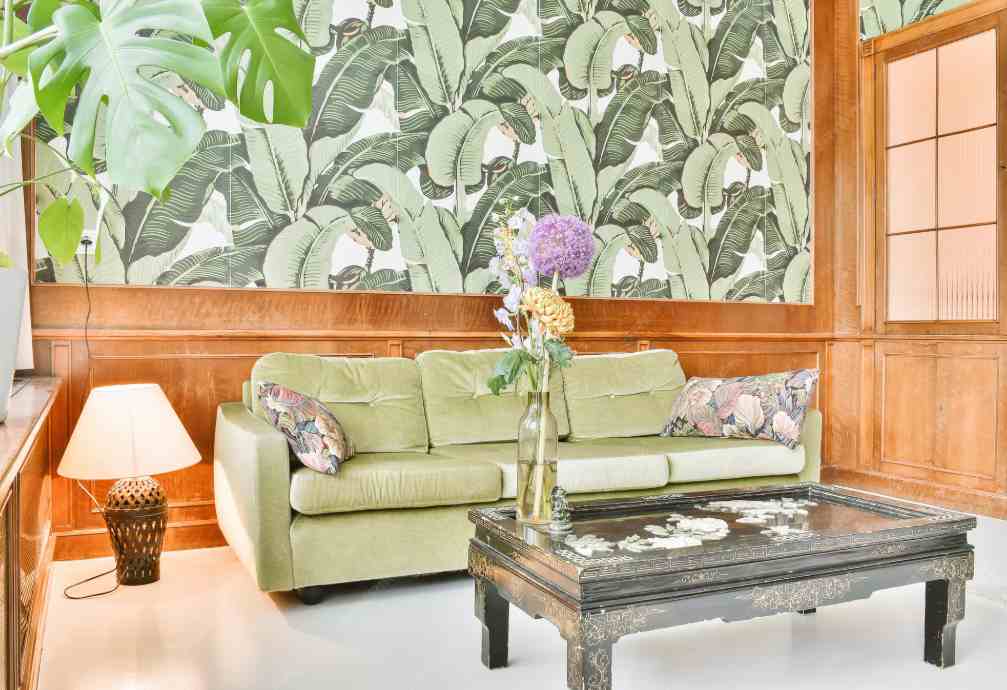
The global ماكينة طابعة حائط market should see strong expansion by 2026. This growth comes from the growing need for custom and large-sized wall decorations. People now prefer extra-large photo prints for walls, cheetah print wallpaper, and gallery wall prints in today’s home styles. The tech allows for tough, clear pictures on many kinds of surfaces. As a result, it has become a top pick in homes, offices, and factories.
New uses in home styling, ads, and building work are boosting its popularity. Companies use these devices for signs and brand displays. Homeowners want special wall prints for the living room or 3D print wall art that shows their own style. Better tech in exact printing and ink types is improving the results.
Regional Growth Patterns and Emerging Markets
The Asia-Pacific area is seeing quick uptake because of city growth and more love for fun home decor ideas. Nations such as China, India, and South Korea are turning into key spots for wall printing advances. North America and Europe keep up solid progress via business uses like store branding and office wall art. New areas in Latin America and the Middle East are taking up digital wall printing as part of building upgrades and public art efforts.
Key Technological Trends Shaping Wall Printer Machines
Advancements in Printing Mechanisms and Software Integration
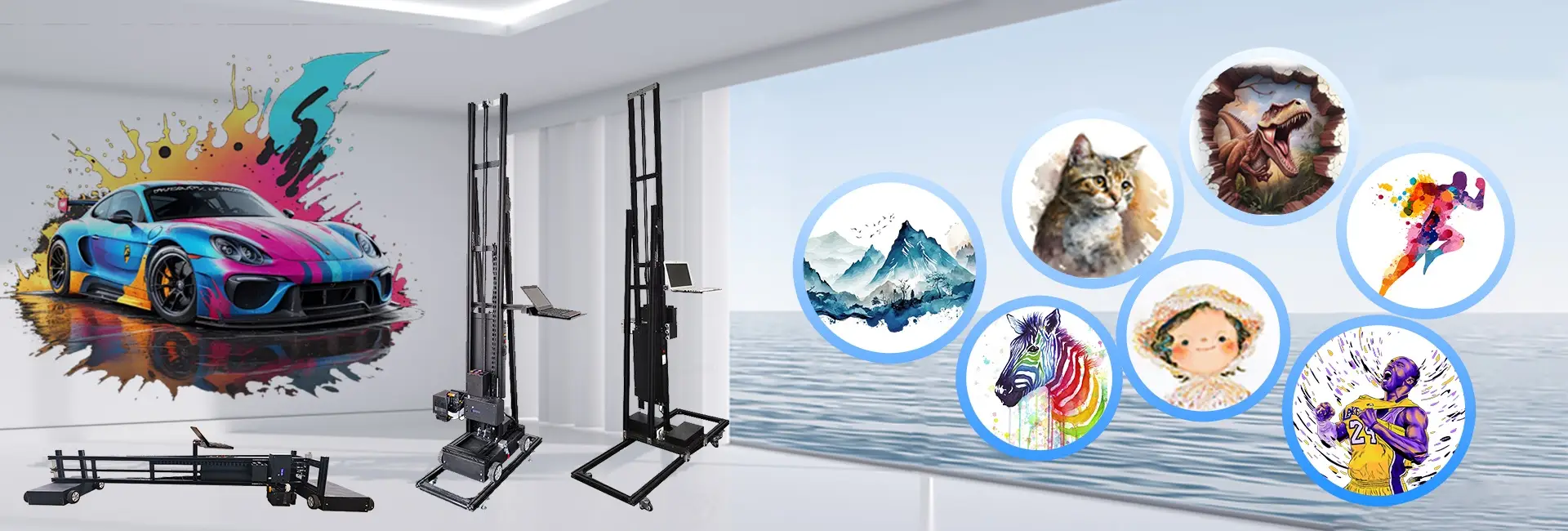
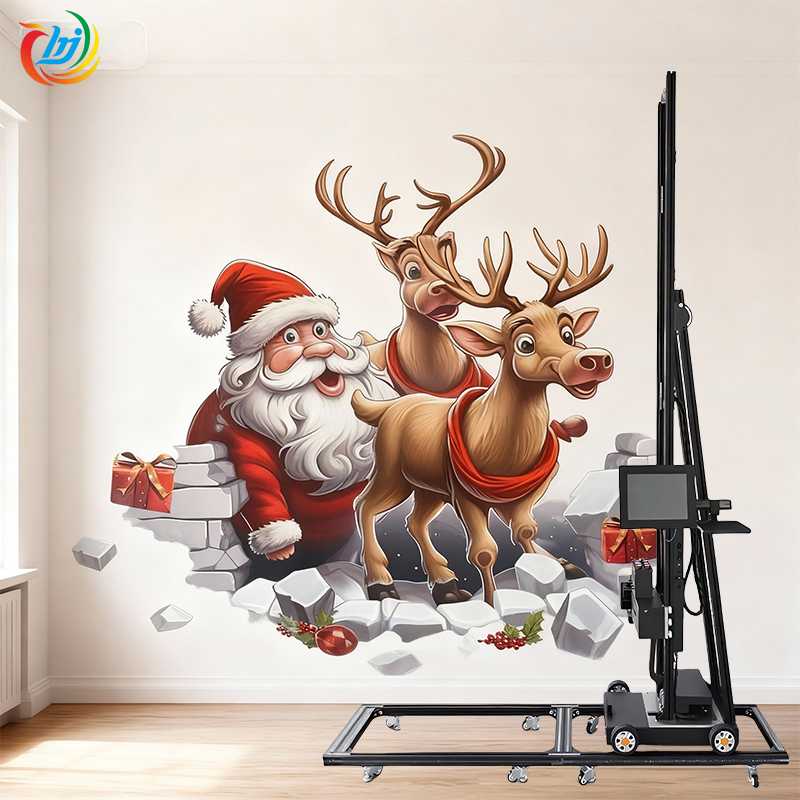
Today’s wall printers mix smart mechanical parts that keep things exact on bumpy surfaces. Our wall printers rely on laser guides and printheads with electric lifts. They print well on mildly rough walls without twists. Hand painting often fails at this. AI tools for image adjustments improve evenness over big prints. Plus, simple software lets users control from afar.
What Innovations Are Transforming Ink Technology?
Ink tech has improved a lot with green UV inks that stick well to various items like drywall, cement, timber, or glass. We apply CMYK+W inks that set right away. They cut smells and resist water and sunlight. Quick drying cuts wait times and running expenses. At the same time, colors stay bright. UV inks make prints safe from water, fading, and wear. They hold up outdoors for 3-5 years and indoors for 15-20 years. These traits suit inside decor like botanical prints wall art or vintage prints wall art. They also work for outside setups that need lasting strength.
Applications Driving Demand for Wall Printer Machines
Residential and Commercial Interior Design Applications
Homeowners now often turn to wall printers for murals, patterns, or custom pieces right on walls. This changes dull rooms into lively areas. Businesses use printed images to tell their story with logos or promo views on walls or dividers. Places like hotels add printed walls to make guests’ stays more engaging. They use theme designs or art setups like print-on-demand wall art lines.
Industrial and Public Sector Implementations
Wall printer machines play a role in city improvement plans. There, big murals brighten urban views. Schools use printed pictures to create better learning spaces with inspiring sayings or topic images. Factories put tough UV-printed tags or safety notes straight on building parts. This skips the need for sticky signs.
Economic Factors Influencing Market Growth
Cost Efficiency and Return on Investment Considerations
Auto features cut worker expenses compared to hand-done mural work or vinyl setups. Hand-painted murals need much time to dry. They seldom suit big wall jobs. With exact ink use, waste drops. So, firms finish projects more quickly at less cost. The long-lasting nature gives ongoing worth for buyers and companies putting money into decor setups.
How Do Supply Chain Dynamics Affect Pricing?
Parts supply, mainly printheads, impacts making schedules. Changes in base material prices for UV ink mixes shape sales costs around the world. Yet, local building efforts after the pandemic have steadied chains. They do this by lessening reliance on outside parts.
Sustainability Trends in Wall Printing Technology
Eco-Conscious Manufacturing Practices Gaining Momentum
Makers are shifting to reusable stuff in machine builds. They also boost power savings while running. UV ink skips solvents and has few volatile organic compounds, unlike old solvent inks. Thus, it harms the air and health less. Water-based inks lower the nature effects in making steps. More buyers want green decor choices. This pushes steady new ideas in the field.
Hanjie’s Contribution to the Future of Wall Printing Machines
Who Is Hanjie and What Makes Its Wall Printer Machine Stand Out?
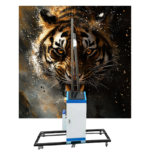
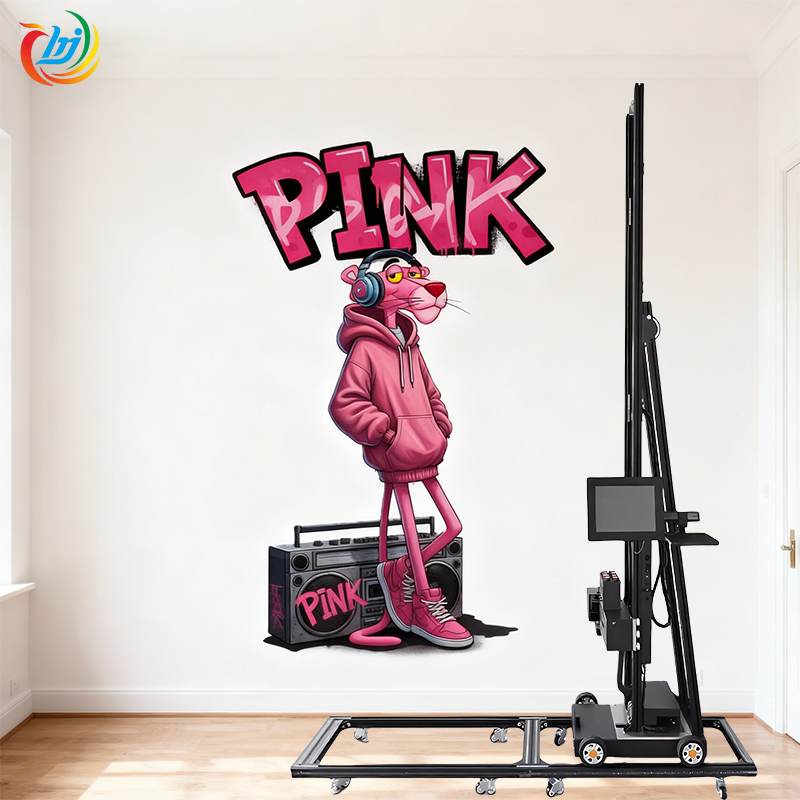
في هانجي, we focus on smart upright wall printer machines for many surfaces like concrete, wood, glass sheets, tiles, or drywall. Our aim is to supply clear printing with strong UV-curable inks for inside or outside jobs. We provide a full range, such as the HJ-726 Multi-functional UV Wall Printer. This model blends wheel-move and rail-move systems for easy transport without losing accuracy. And the طابعة ثلاثية الأبعاد للديكور الإعلاني HJ-725 has two EPSON printheads for sharp details up to 2880 DPI.
Both types have auto-adjust systems with sound wave sensors. These check surface gaps while working. So, they give steady outcomes on uneven walls.
الأسئلة الشائعة
Q: Can a wall printer machine print on any surface?
A: Yes. Most current models work on items like concrete, drywall, wood boards, tiles, metal plates, or glass. The surface just needs to be even enough for good ink hold.
Q: How durable are printed designs?
A: Wall printings last well. Its UV ink fights UV rays and rubbing and keeps color outdoors. Indoor ones can hold up to two decades with good care.
Q: Can I create custom designs like botanical prints or vintage-style murals?
A: Absolutely! With file types like PSD or PNG run through Photoshop before output, users can make botanical prints, vintage prints, or any custom look to match their style. They use Hanjie’s easy software set in each machine.
This mix of smart build accuracy with design freedom puts Hanjie’s wall printer machine lineup ahead in worldwide advances into 2026. It links art with factory-level trust across global areas.