





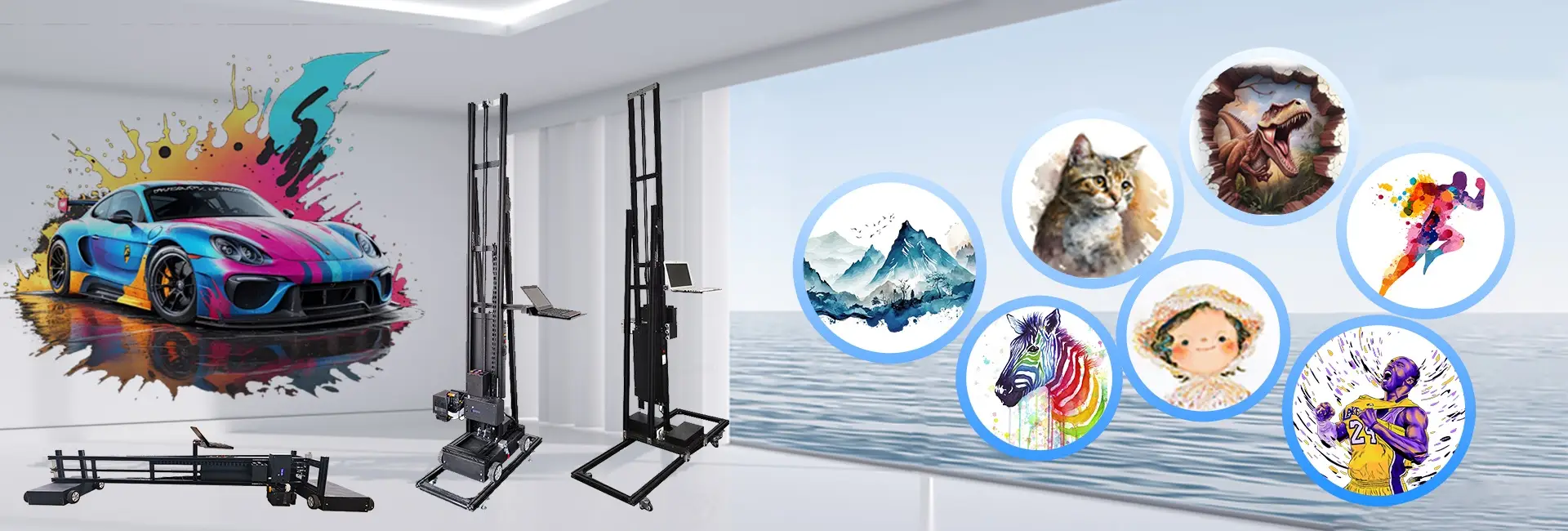
Overview of Wall Printer Machine Investment
What Factors Influence the Cost of a Wall Printer Machine?
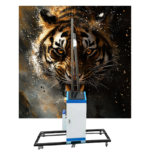
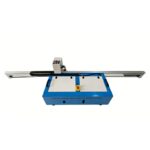
The cost of a wall printer machine depends on several key factors. These include the setup chosen, the printing technology involved, and the level of operational support offered. The machine type—vertical, horizontal, or hybrid—shapes both the final price and how versatile the unit becomes.
Wall art printers rely on UV-curable inks along with smart control systems. They produce high-resolution designs on different surfaces. This printing approach delivers bright results. Yet it can raise upfront costs because of the need for precise parts.
Build quality also matters a great deal. Strong aluminum-alloy frames cut down on vibration and boost accuracy. Software compatibility counts too. Machines that work with Photoshop, BetterPrinter, and UltraPrint make daily work smoother and shorten the time needed for training.
Typical Price Range for Wall Printer Machines
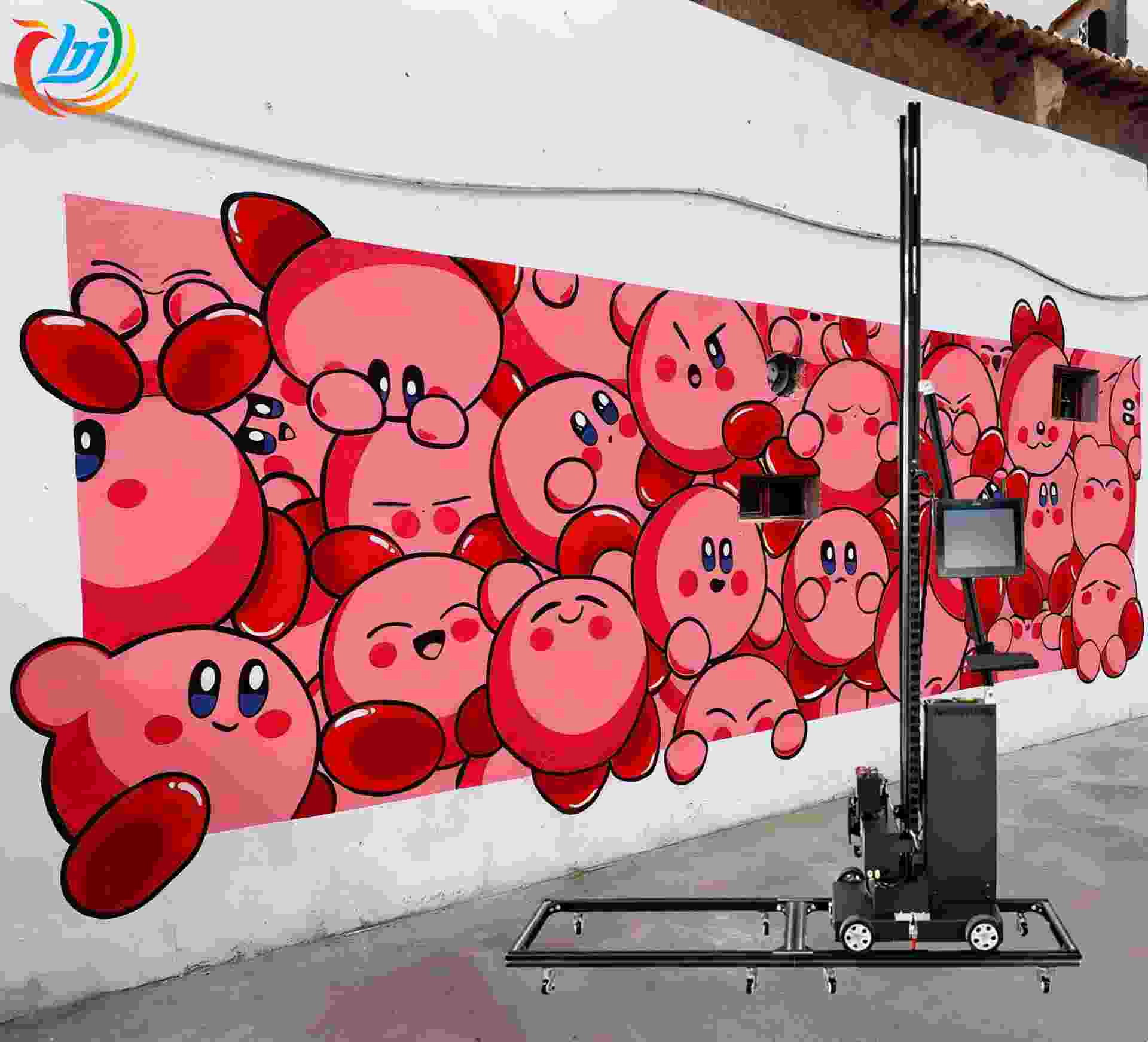
The wall printer machine price 2026 changes quite a bit based on model details. Entry-level DIY wall printer units begin at a few thousand dollars. They suit home decorators or small business owners who want to start in the 3D wall printing machine business. Mid-range choices offer a good mix of price and features.
High-end industrial printers may cost tens of thousands of dollars. They provide faster speeds of 6–14 m²/h and larger print areas that fit commercial-scale wall printing orders.
Breaking Down the Initial and Ongoing Costs
Key Components of Initial Investment
The initial investment covers the hardware itself, the software license, and any training programs. Buyers should also factor in shipping fees, customs duties, and installation charges. These items add to the total upfront cost. Optional accessories such as longer rails or extra UV-curing modules can raise output but also push the overall price higher.
Operational and Maintenance Expenses
Operational expenses mainly come from ink use and regular maintenance. CMYK+W UV inks contain low VOCs when compared with older solvent-based inks. These inks are waterproof and resist fading. They can last up to 20 years indoors, which makes them a smart long-term choice.
Regular printhead cleaning stops clogs. When you are not using your wall printer machine 3D head, soak a paper towel in cleaning fluid, cover the print head surface, and close the lid. Replacement parts such as nozzles or sensors add to ongoing costs but help keep output quality steady.
Evaluating Profit Potential from Wall Printing Services
How Can a Wall Printer Generate Revenue?
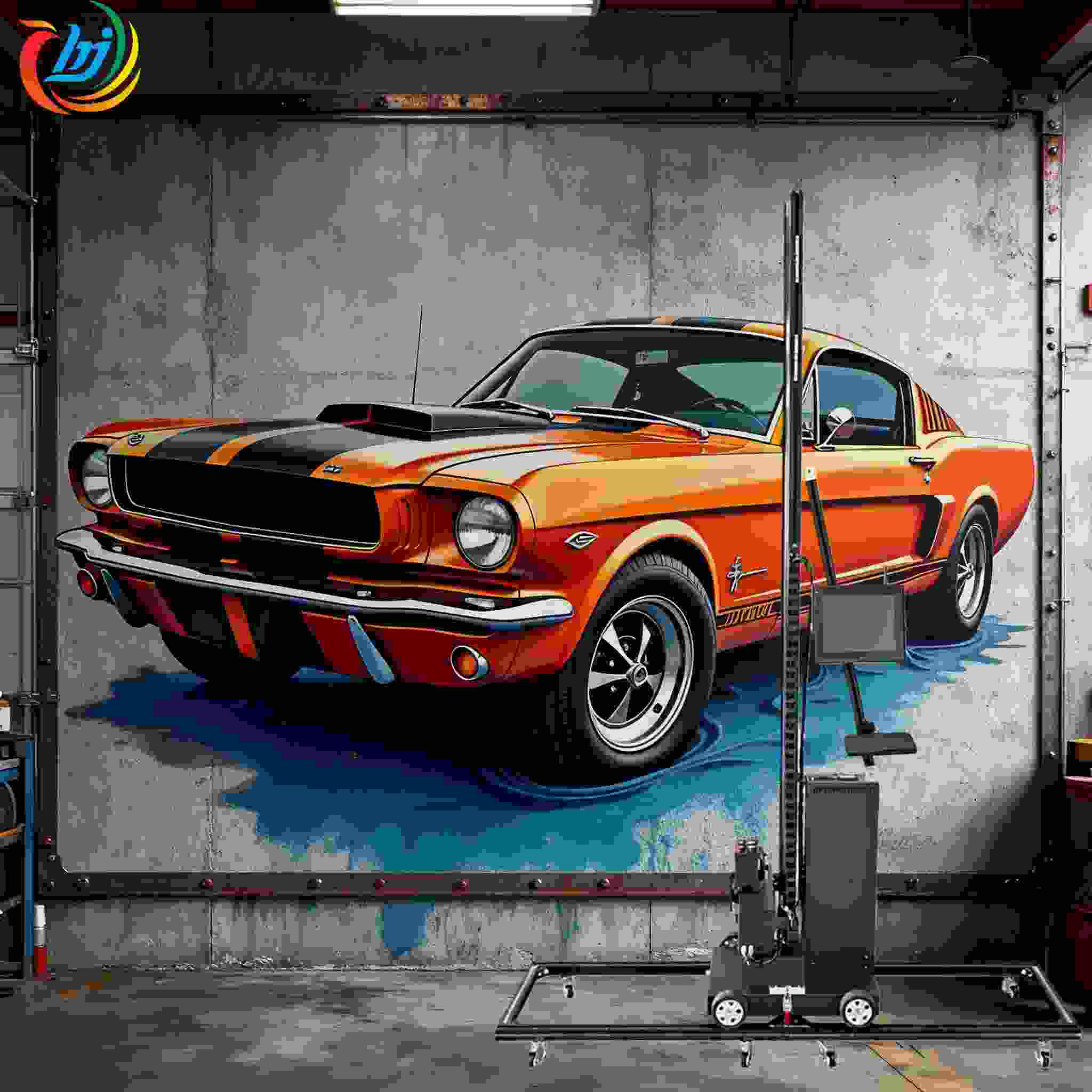
A wall print machine opens several ways to earn money in both homes and businesses. Custom murals for houses, offices, cafes, or shops draw clients who want something different. Event decoration work, such as temporary branding walls or themed setups, often brings strong margins. Working with interior designers can grow your client list and lead to repeat printing on wall projects.
Estimating Income Based on Project Volume and Pricing Strategy
Profit levels depend on how many projects you complete and the prices you set. Average mural prices fall between $120–$200 per m² based on how complex the job is and the surface type. Steady bookings create reliable income. Busy seasons during renovations or sales events can lift earnings in this expanding market of Chinese UV printers latest news 2026, where demand for creative options keeps rising.
Calculating ROI: From Investment to Payback Period
What Is the Typical Payback Period for a Wall Printer Machine?
Return on investment depends on how often projects come in, the pricing approach used, and how smoothly operations run. Many users recover their costs within six months to one year when demand stays steady. Good scheduling cuts idle time. Careful ink use reduces waste. These steps help speed up payback in solvent printer technology in China in 2026 settings, where more competitors are entering the field.
Methods to Improve Return on Investment (ROI)
Operators can raise ROI by adjusting ink flow accurately through the built-in controls. This prevents overspray or color issues. Offering subscription mural services builds repeat income. Digital marketing helps reach new local customers who search “is wall printing a good business.” Package deals with fast delivery keep you ahead of others.
Comparing Cost Efficiency Across Different Business Scenarios
Small Business vs Large Commercial Operations: Which Benefits More?
Small firms gain flexibility because one person can handle setup and production with compact vertical printers. Larger companies can scale with several units but face higher maintenance costs from heavier daily use. Focusing on niches such as children’s room murals or corporate branding walls helps smaller teams reach payback faster, even with fewer jobs in the walls printing markets.
Hanjie Wall Printer: Product Overview and Value Proposition
Why Choose Hanjie’s Wall Printer Machines?
Unter Hanjie, we focus on advanced vertical wall printers that pair precise engineering with easy-to-use controls. We rank as the leading maker of mural printers and continue to shape wall art. Our machines are built to last with aluminum-alloy frames that stay stable during high-resolution work.
Our HJ-726 Multi-functional UV Wall Printer shows new thinking in portability. It combines wheel-driven and rail-driven systems so users can move easily between sites and cut shipping volume by 30%. It works with CMYK + W UV inks that dry right away and create waterproof prints that last up to 20 years indoors without color loss.
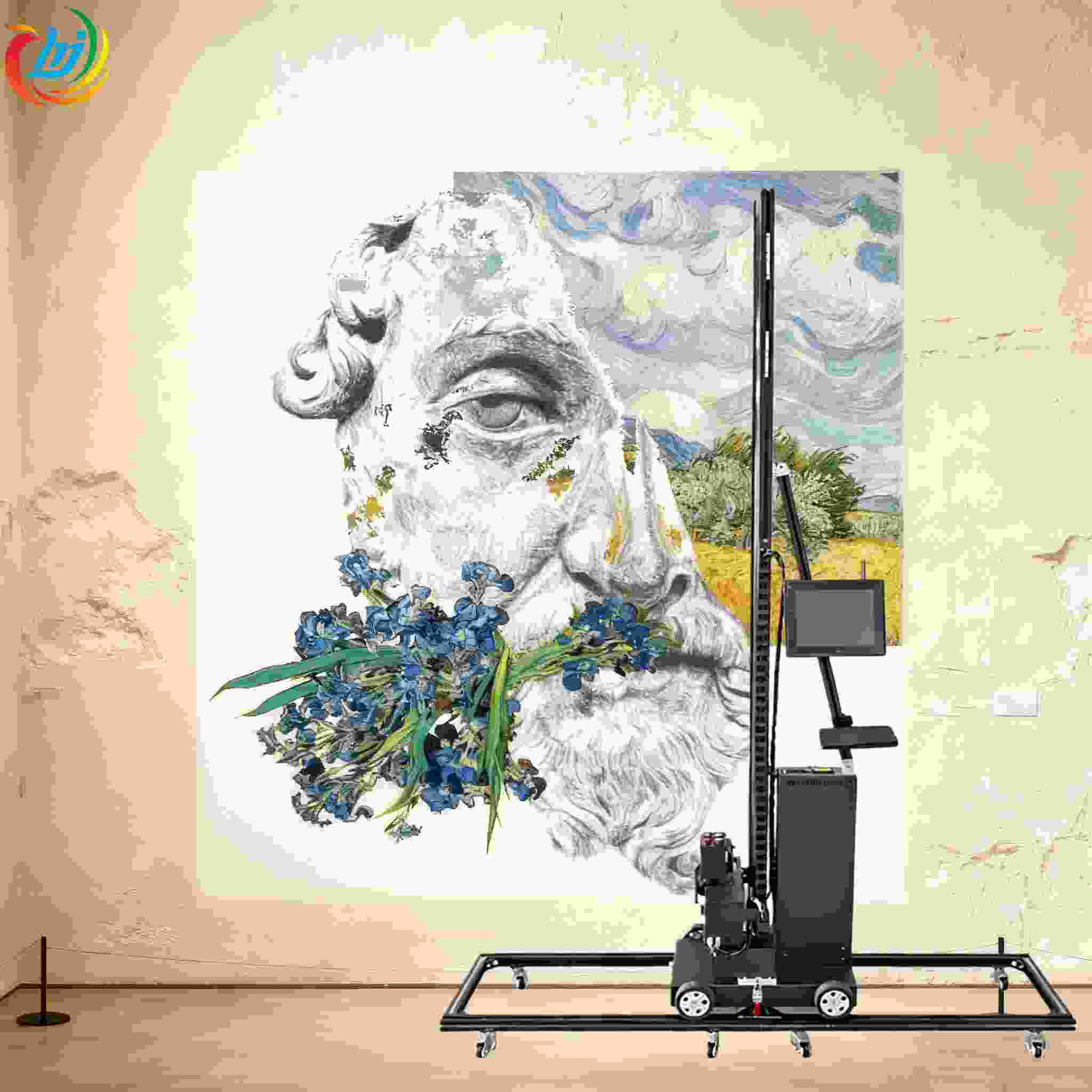
Die HJ–928 Vertical 3D Wall Art Printer gives sharp output up to 2880 DPI with dual Epson I1600 printheads—the most common printheads in vertical wall printers in 2026. It places vivid designs on plasterboard, brick, tile, wood, or glass with little setup time.
Both models come with lifetime software updates that support Photoshop, BetterPrinter, and UltraPrint for a smooth workflow from design import to final print.
Key Features That Enhance ROI with Hanjie Printers
High Print Resolution and Speed Efficiency
Our Epson I1600 printheads reach 2880 dpi and last for 4000㎡. They produce clear images with fine detail. Laser positioning keeps alignment within 1 mm. The result is photorealistic murals at speeds that fit tight schedules.
Energy-Efficient Operation
Hanjie printers use about 350 W on average. They maintain steady performance while keeping electricity costs lower over time. This matters when you calculate long-term gains in what is a mural machine business model built around sustainable choices.
FAQ
Q: Is operating a wall printer profitable for small businesses?
A: Yes. Many small business owners run DIY wall printer setups to offer custom mural services. They enjoy solid profit margins because material costs stay low and demand for decorative work keeps growing in the interior design field.
Q: What maintenance is required for a wall printer machine?
A: Clean print heads every few days with cleaning fluid to avoid clogs. Check calibration before each job to hold quality steady. Store ink properly to extend its life. Replace worn parts as needed to maintain reliable performance in changing conditions.
Q: Can wall printer machines handle uneven surfaces?
A: Yes. Ultrasonic sensors check distance changes during printing. They keep image alignment even on slightly uneven walls. This gives a clear edge over manual painting methods.