




Exploring the Profit Potential of 3D Wall Printing in 2026
What Makes 3D Wall Printing an Emerging Business Opportunity?
The rise of 3D wall printing is changing how homes and businesses handle interior design. Global demand for custom wall art and décor keeps growing fast. People want rooms that feel personal and full of visual energy. This trend matches the wider reach of digital printing tools. New business owners can now join with lower startup costs.
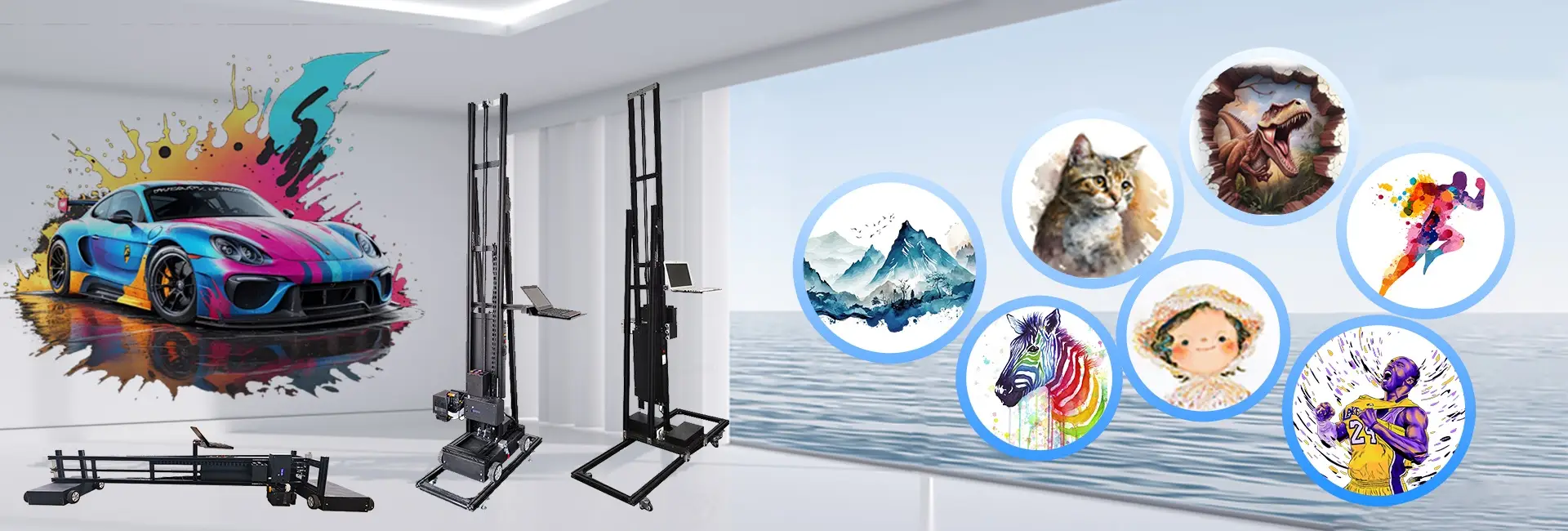
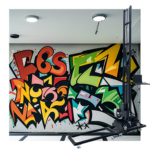
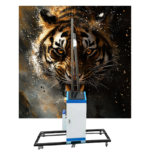
Both companies and homeowners now want designs that stand out. They seek options that last and look bold. Traditional paint or wallpaper often fails to match these needs. Wall printing machines place detailed patterns, photo murals, and brand images straight onto plaster, brick, or concrete. Wall printers rely on laser positioning and printheads that lift by electric power. This setup prints cleanly even on surfaces that are not perfectly flat. Hand painting rarely achieves the same result.
Tech progress has lowered the cost of DIY wall printer packages. These kits now include industrial control systems plus Photoshop, BetterPrinter, and UltraPrint software. Lifetime updates come at no added charge. The tools let beginners offer wall printing services without any drawing background.
Market Growth Trends Driving the Popularity of 3D Wall Printing
More people moving into cities boost the need for creative wall solutions in homes and shops. Real estate teams add printed walls to lobbies, offices, and showrooms. They use these prints as part of their branding plans. Cafés and small stores also turn to wall printing ideas to build spaces that draw in visitors.
Analysts expect steady growth through 2026 in both mature and new markets. Updates on Chinese UV printers’ latest news 2026 show local makers improving inks and printheads. These steps support eco-friendly options and sharper output. The changes will affect how decorative printing competes worldwide.
Assessing Investment Costs in a 3D Wall Printing Business
How Much Does It Cost to Start a 3D Wall Printing Business?
Launching a 3D wall printing machine business requires several first costs. These include buying the printer, software access, staff training, and local marketing. The exact price depends on the model and setup. Running costs cover ink refills, power use, maintenance items, and travel to job sites.
Marketing spend on online ads or sample work helps win clients in busy cities where wall printing orders appear often.
Key Factors Affecting Startup Budgets
The printer model chosen affects total startup costs. Bigger units with two printheads print faster yet cost more upfront. Smaller units suit modest jobs better.
Location also shapes labor rates and pricing. Cities often allow higher fees because décor demand is stronger. Freelance operators can recover their investment sooner by serving niche areas such as home murals or event décor instead of large commercial jobs.
Calculating ROI: How Profitable Is 3D Wall Printing in 2026?
Understanding Revenue Streams from 3D Wall Printing Services
Income can come from home projects like living-room murals or themed kids’ rooms. Commercial work includes branding installs for offices and stores. Ties with architects and designers can supply steady jobs year-round.
Mural prices often fall between 120 and 200 dollars per square meter. The rate depends on design detail and finish. Low material waste and quick setup keep profit margins solid even for small teams using compact wall print machines.
Estimating Return on Investment (ROI) Over Time
Most new operators see their money back within 12 to 24 months after steady work arrives. UV-cured prints last well. UV inks resist water and fading. Outdoor prints hold up for 3 to 5 years. Indoor prints last 15 to 20 years. Seasonal dips may occur, yet overall interest in digital décor supports good returns.
Operational Strategies for Maximizing Profitability
How Can Entrepreneurs Improve Efficiency in Their Wall Printing Operations?
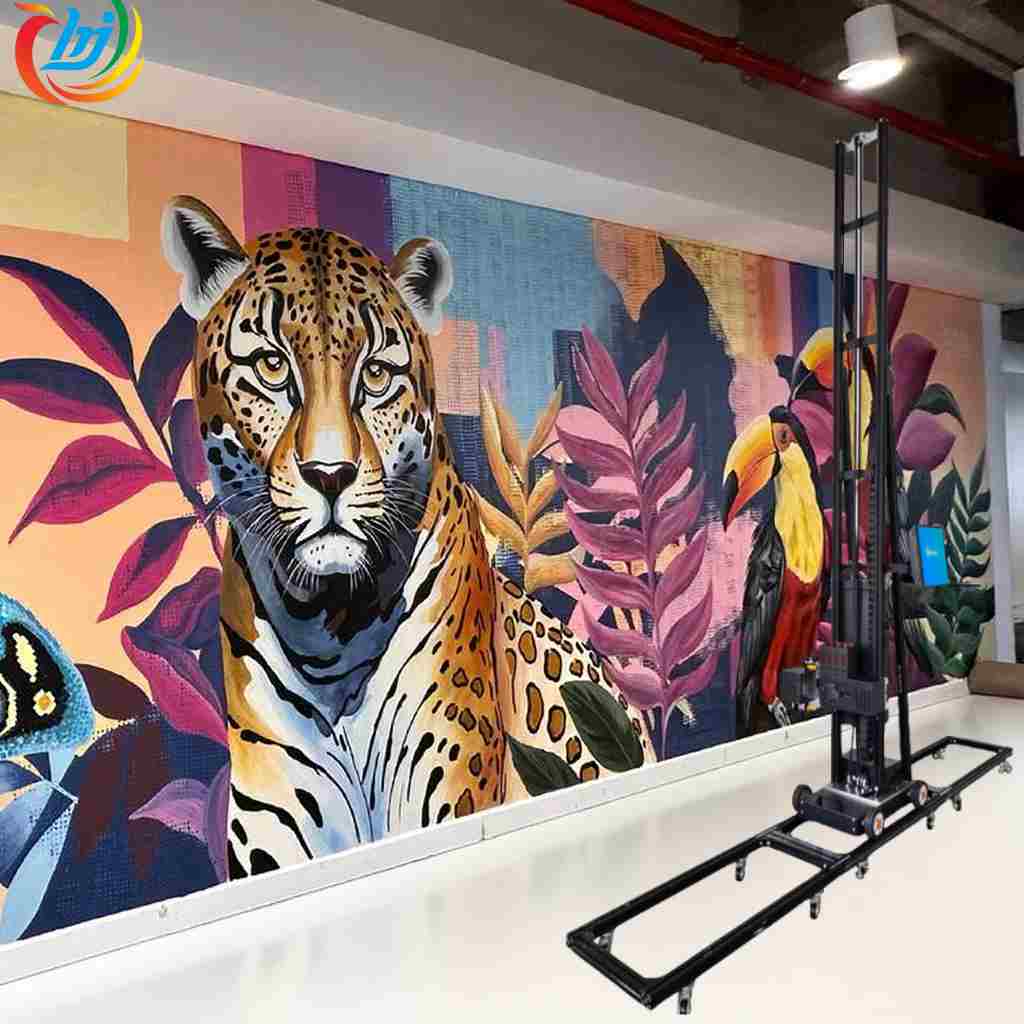
Good scheduling cuts idle time between jobs. Regular checks keep machines running well. The printer uses a high-precision ultrasonic sensor. It measures distance on its own during work. This reduces mistakes on uneven walls, a frequent issue in big installs.
Digital marketing helps find new clients. Sharing finished projects on social media shows skill in printing on the wall and on tricky surfaces such as glass or tile.
Pricing Strategies That Enhance ROI Potential
Price tiers based on area size or design detail fit different buyers. Homeowners may want small murals, while firms need full branded spaces. Bundle deals for larger projects help keep cash flow steady. Clear quotes build trust with clients looking at wall printing design choices.
Technological Advancements Shaping the Future of Wall Printing Businesses
What Innovations Are Enhancing the Capabilities of Modern Wall Printers?
Precision work keeps expanding what vertical murals can do. The system uses professional UV ink in five colors: CMYK plus white. It works on white, black, or colored surfaces. Auto-alignment tools cut manual setup time. Eco-friendly UV inks lower environmental impact compared with older solvent methods.
Current models reach 2880 dpi with advanced Epson heads. These heads rank among the most common printheads in vertical wall printers in 2026. They produce photo-like results on concrete or metal panels.
Hanjie’s Contribution to the Growth of the 3D Wall Printing Industry
Why Is Hanjie Considered a Trusted Name in Wall Printing Solutions?
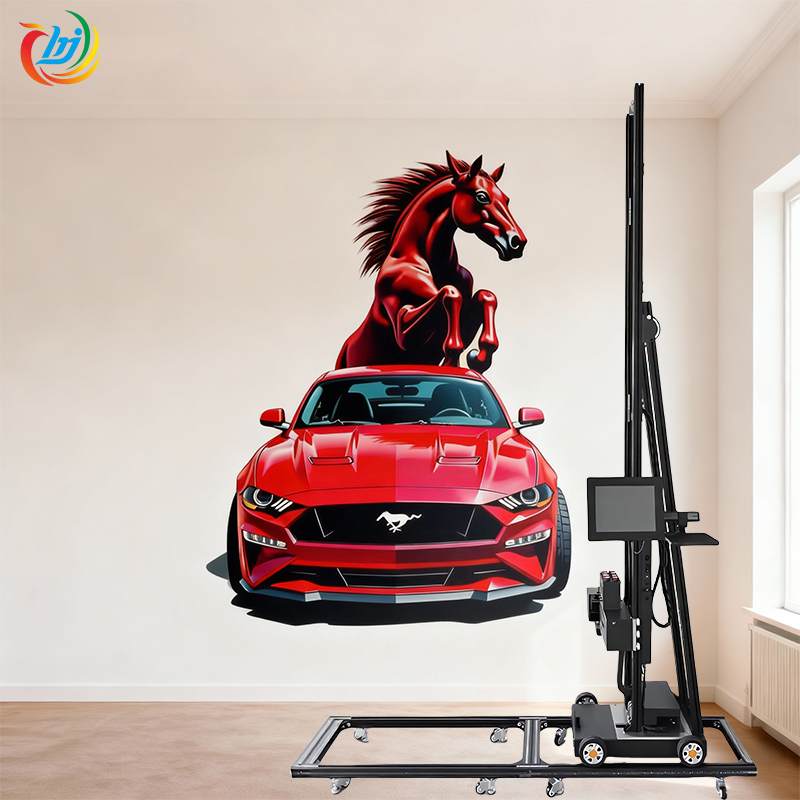
We lead in mural printer production and reshape wall art. Our mural printer helps users build profit and create wealth. At Hanjie, we focus on practical solutions that give reliable results and simple operation. Our line includes models such as the HJ-725. This multi-nozzle system suits professional work across many variable wall decoration production settings.
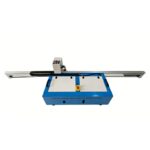
Die HJ-725 Advertising 3D Printer Multi-Nozzle Wall Printer offers speed, accuracy, and fresh ideas. It carries dual EPSON printheads (DX10, I1600) and reaches 2880 dpi. The light frame makes transport easy between sites while meeting tough commercial standards.
Key Features of Hanjie’s Wall Printer Products That Support ROI Growth
Durability and Print Quality Advantages
Eco-Friendly & Durable Inks: Pick UV-curable inks made for long life. They reach 15 years indoors and 5 years outdoors. Colors stay bright despite sun or moisture. These traits matter when judging long-term gains from repeat clients.
Cost Efficiency for Business Owners
Energy-saving parts keep running costs down while output stays steady over long runs. Remote support and training from our after-sales team add further value. These points place Hanjie among the strong suppliers of Chinese UV printers in 2026 discussions.
FAQ
Q: Is a 3D wall printing business suitable for beginners?
A: Yes. Many current models use simple controls. Basic training lets new users start fast. Even first-time operators can deliver professional work with compact units such as our HJ series printers.
Q: How much can I earn from offering wall printing services?
A: Income varies by area and job size. Small operators often reach monthly profit once they hold steady contracts with local real estate or retail clients seeking custom décor.
Q: How can a small 3D wall printing business compete with larger companies?
A: Small teams can compete by focusing on niche projects such as home murals, boutique cafés, and retail interiors. They succeed through personalized service, fast turnaround, and specialized wall printing solutions. Flexibility and the ability to offer tailored, high-quality results often matter more than company size, enabling small businesses to thrive even in competitive markets.