




What Makes a 3D Wall Print Machine Different from a UV Wall Printer?
How Each Printing Technology Works
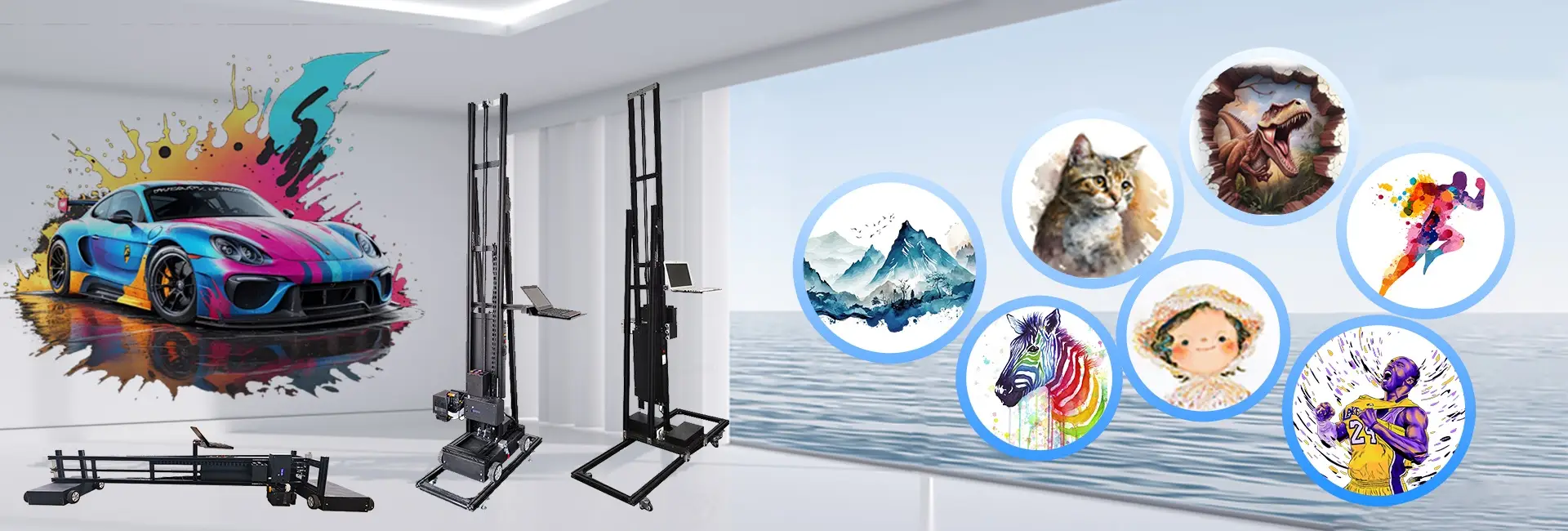
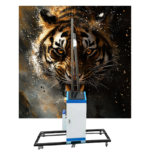
A 3D wall print machine works with vertical inkjet printing. It sprays pigment straight onto surfaces through precise nozzles. This method lets the ink form layers. It creates a textured or raised look. These suit artistic murals and decorative uses well.
A UV wall printer relies on ultraviolet-curable ink. The ink hardens right away under UV light. UV-curable ink used in machine-printed murals cures instantly under UV light. It sits once after printing. This forms a film with strong coverage. The film works no matter the wall texture.
The main difference comes from the curing step. Pigment-based inks dry on their own or with heat. UV inks harden fast instead. This brings quicker output and less smudging. UV ink is also solvent-free. It holds a few volatile organic compounds, unlike older solvent-based inks. As a result, it adds less harm to air quality and health. This makes UV printing more eco-friendly than standard pigment systems.
Comparing Printing Results and Texture Effects
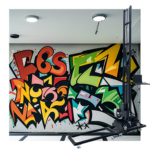
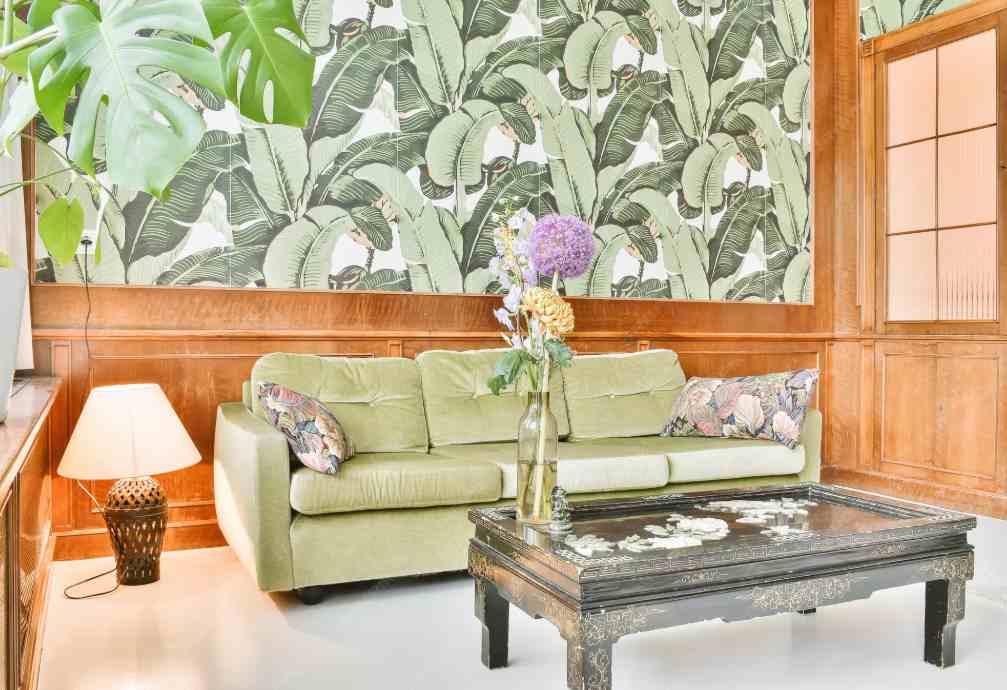
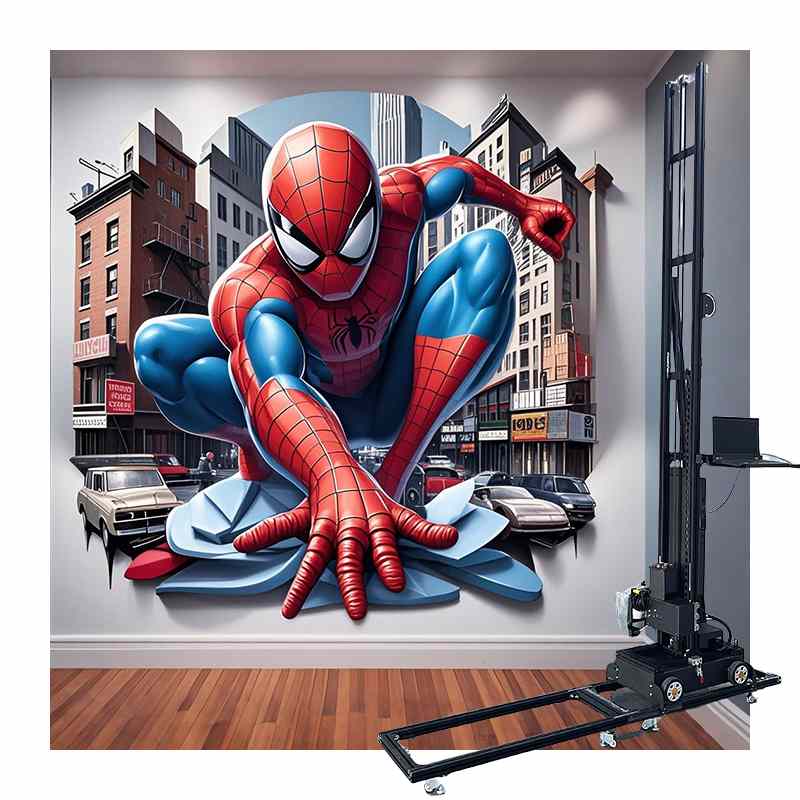
The visual results of these two methods stand apart. 3D wall printers build tactile textures you can touch. They fit murals meant to copy hand-painted reliefs or embossed surfaces. Wall printers produce effects like 3D/5D visual relief textures. These effects are hard to match by hand.
UV wall printers give smooth, glossy finishes instead. They deliver bright color accuracy thanks to their advanced CMYK+W ink system. Our CMYK+W inks dry at once. They remove odors and resist water and sun. The choice between the two rests on whether texture depth or photographic precision matters more for your projects.
Which Machine Performs Better on Different Surfaces?
Surface Compatibility and Material Adaptability
Surface fit matters when picking between these machines. 3D wall print machines handle rough or porous materials well. Concrete, plaster, and brick work fine because pigment-based inks sink into uneven textures. UV wall printers suit smoother surfaces better. Glass, metal panels, or ceramic tiles benefit from instant curing. This keeps adhesion clean without bleeding.
We use a very durable UV ink. It cures at once under the built-in UV curing lamp. The ink works on nearly all material surfaces. Thus, plaster, wallpaper, wood, brick, latex paint, stone, clinker, plastic, metal, glass, most tiles, and many other materials can be printed without any problems. This wide fit makes UV technology especially versatile for commercial signage or architectural decoration. It delivers steady quality across varied materials.
Durability and Maintenance Considerations
Durability sets the two apart as well. UV inks create prints that stay waterproof, resist fading, and last long. They can last outdoors 3-5 years and indoors 15-20 years. These traits make them good for long-term outdoor work in the sun or moisture.
Pigment-based inks used in 3D printers often need an extra protective varnish layer for longer life. After printing on the floor, we recommend applying a layer of clear protective varnish on top. It also boosts water resistance and durability.
Maintenance routines differ a bit, too. Both systems need steady nozzle care to keep spray patterns even. Users should clean print heads often with approved cleaning fluids. This prevents clogs.
How Do Cost and Efficiency Compare Between the Two Machines?
Initial Investment vs Long-Term Value
Cost efficiency and investment returns in the wall printer machine price 2026 market analysis show clear patterns. 3D wall print machines usually cost less at the start. They need more frequent maintenance because of mechanical complexity. UV models cost more upfront. They include advanced parts such as dual Epson printheads. These rank among the most common printheads in vertical wall printers 2026. They also have built-in UV lamps.
Our Epson I1600 printheads reach up to 2880 dpi. They last through 4000㎡. This keeps images sharp with fine details. The long life cuts replacement needs over time. So while the first cost may run higher for UV models like Hanjie’s HJ-725 or HJ-928 series, their strong durability often gives better long-term value.
Printing Speed and Operational Efficiency
Speed affects productivity, too. UV printers finish jobs faster thanks to instant curing. They suit commercial work that needs a quick turnaround. Their average output falls between 6 and 14㎡ per hour based on resolution settings. Textured designs from 3D machines take more time. Multiple passes build the layered relief effects.
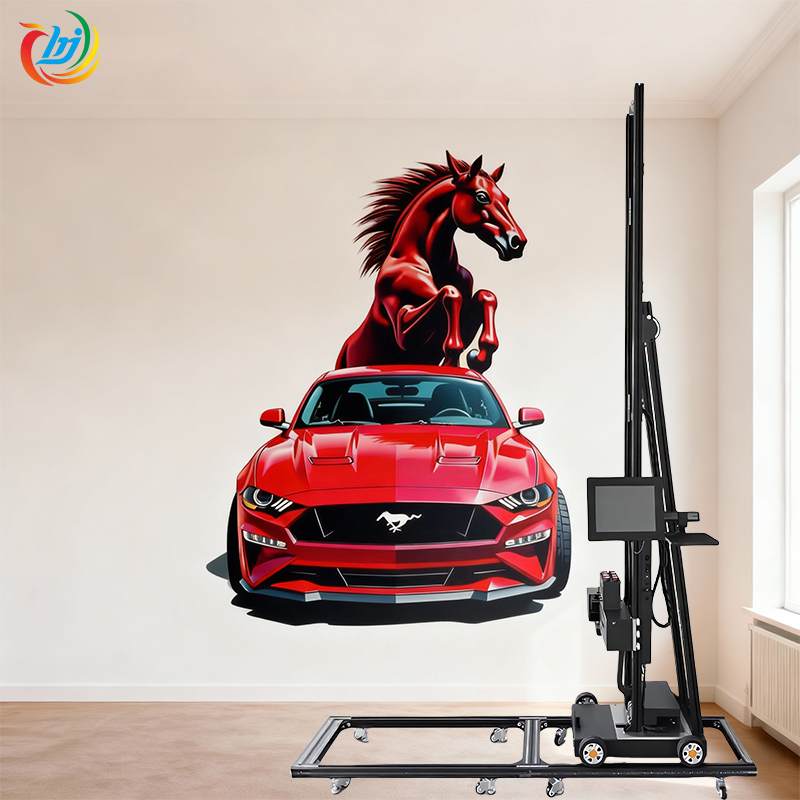
Both technologies gain from automation features. Laser positioning systems aid precise alignment. Ultrasonic sensors spot surface irregularities during work. Our wall printers use laser positioning and printheads’ electric lifting. This prints accurately on slightly uneven surfaces without warping. Hand-painting often struggles with the same surfaces.
What Should You Consider Before Buying a Wall Print Machine?
Key Factors to Evaluate Before Purchase
Intended Use and Project Type
Before buying any wall printer, think about your main goals. If artistic mural creation or textured design work inside spaces is the focus, a 3d wall printing machine business model may fit best. It offers creative flexibility. If high-definition advertising graphics or industrial-grade production matter more, a professional-grade UV system will bring better returns through sharper imagery.
Available Space and Installation Requirements
Check your workspace before setup. Make sure there is enough room for vertical rail installation. Good ventilation helps since some curing steps release minimal heat. Most modern systems, including Hanjie’s modular designs, install quickly even in compact studios. Adjustable pole structures help with this.
Budget Allocation and After-Sales Support
Look past the purchase price alone. Common printheads in vertical wall printers often set cost tiers. Also, weigh ongoing support services. These include training programs and spare part availability. Manufacturers like Hanjie offer one-year warranties plus lifetime technical help through remote guidance.
Hanjie’s Wall Printer Solutions for Professional Applications
Features That Define Hanjie’s Wall Printer Technology
At Hanjie, we focus on innovative digital printing solutions. These serve professional decorators and entrepreneurs. Our equipment blends precision motion control systems with durable CMYK+W ink formulas. They produce vivid results on many substrates. These include plastered walls, glass panels, wood boards, or tiles.
Our products rely on cutting-edge technology and high-quality components. They ensure clear, colorful, and durable printed images. Each model supports high-resolution imaging up to 2880 DPI. It uses Epson DX10/I1600 heads. These rank as the most common printheads in the vertical wall printers segment today. Efficient ink use keeps operational costs low over time.
Why Choose Hanjie for Your Wall Printing Needs?
We supply full training packages. These cover hardware assembly and software operation. The workflow uses Photoshop + BetterPrinter + UltraPrint. Our flagship models, the HJ-928 Vertical 3D Wall Art Printer Machine Manufacturer and the HJ-725 Werbedekoration 3D-Drucker Wanddrucker mit mehreren Düsen, show our focus on quality.
The HJ-928 gives vivid color reproduction with eco-friendly low-VOC inks. These last up to two decades indoors while keeping crisp resolution up to 2880 DPI. It works well for home décor or branding walls in businesses that want a premium look through sustainable wall printing technology.
The HJ-725 stresses speed with dual EPSON heads. This supports fast turnaround times. Advertising agencies with tight schedules benefit from it. Both models include auto-calibration functions. They ensure seamless output consistency, no matter the surface type.
FAQ
Q: What is the difference between a 3D wall printer and a UV wall printer?
A: A 3D printer builds layered textures with pigment-based inks. A UV printer cures its ink at once under ultraviolet light. This produces smooth, glossy finishes. They suit photographic murals.
Q: Which type of wall printer is better for home decoration?
A: For artistic textured murals inside living spaces, choose a diy wall printer based on pigment layering. Modern interiors benefit from sharper images. These come from professional-grade UV units like those offered by Hanjie.
Q: How do I maintain my wall print machine effectively?
A: Clean nozzles often with manufacturer-approved solutions. Check spray distance, typically around 3–5mm. Store equipment dust-free when idle. Update firmware regularly as advised by supplier technicians. Remote support channels from brands such as Hanjie provide lifetime maintenance services across global markets. These align with the wall printer machine price 2026 trends analysis.