





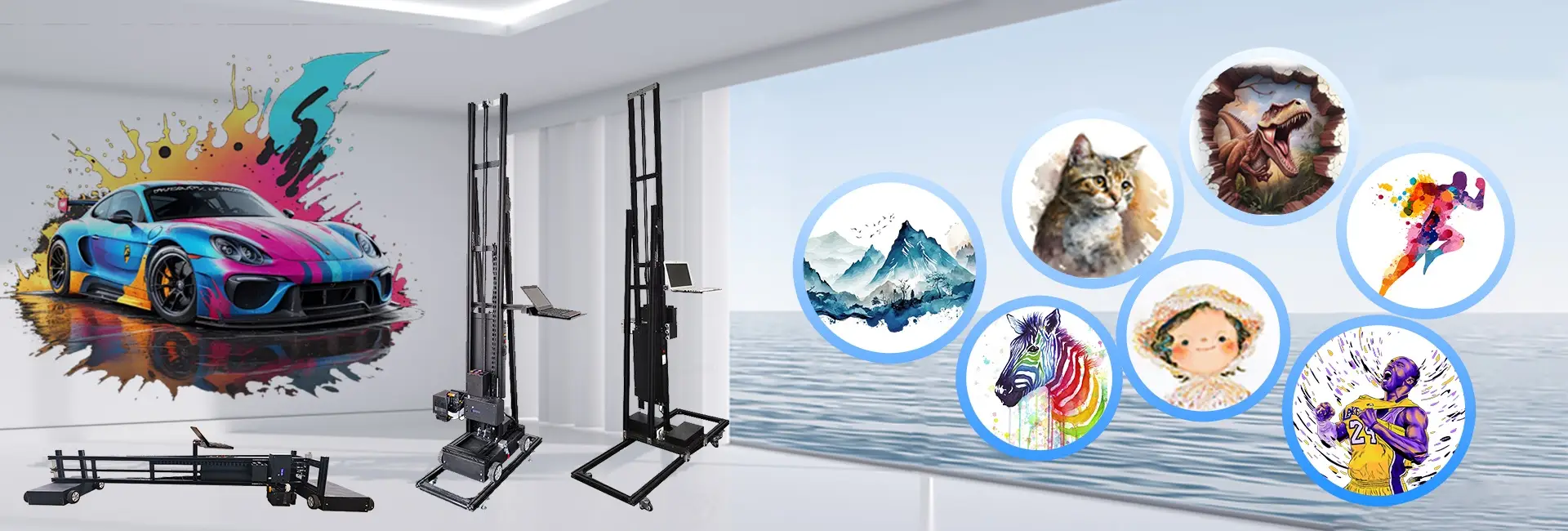
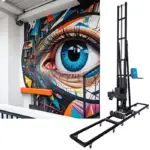
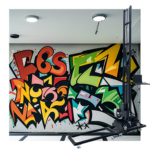
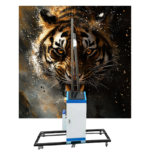
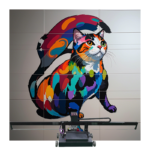
Printing technology has advanced a lot over time. One of the latest innovations is the wall inkjet printer. This device is transforming wall art, murals, and big decoration projects. These clever machines provide several benefits compared to old printing ways. They deliver better accuracy, quicker operation, and more flexibility. Yet, how does the wall inkjet printer stack up against other options like hand-painted murals, screen printing, and roll-to-roll printers? This guide will examine the main differences, perks, and drawbacks of wall inkjet printing. It will also show how these improvements are reshaping the decoration field.
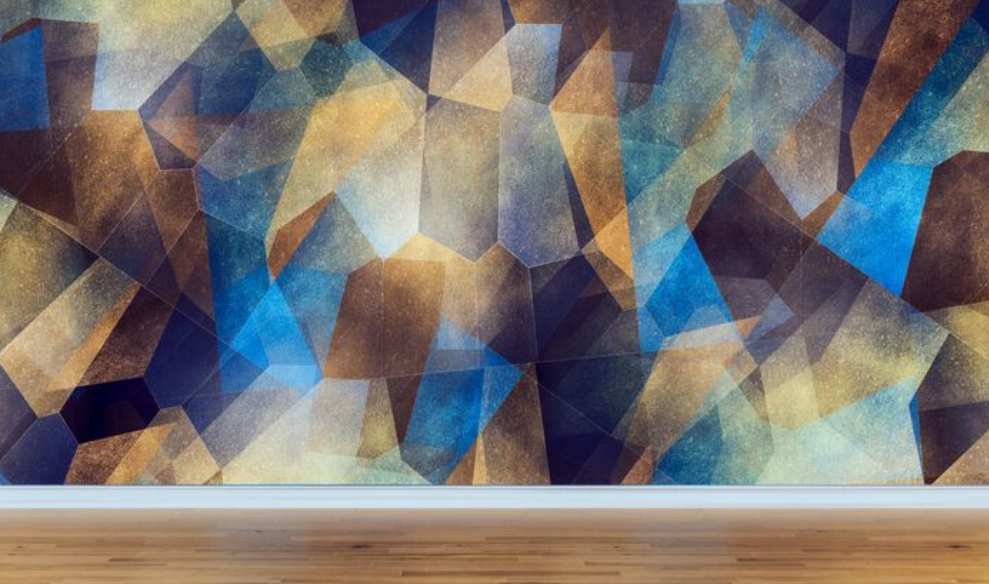
Why Are Wall Inkjet Printers Gaining Popularity?
Lately, wall inkjet printers have become quite popular in commercial and home settings. Artists, decorators, and companies are looking for faster and cheaper ways to cover big upright areas. As a result, these printers stand out as a great choice. Old ways to add wall murals, such as hand painting and stickers, usually miss the accuracy and quickness that a wall inkjet printer brings.
Why do designers and businesses increasingly choose wall inkjet printers over traditional printing methods?
A key reason is that wall inkjet printers create high-resolution, seamless designs. They apply these directly to many kinds of surfaces. Plus, they need minimal labor. Therefore, this cuts down on time and expenses. It becomes a smart pick for major projects.
What Is a Wall Inkjet Printer and How Does It Work?
What Exactly Is a Wall Inkjet Printer?
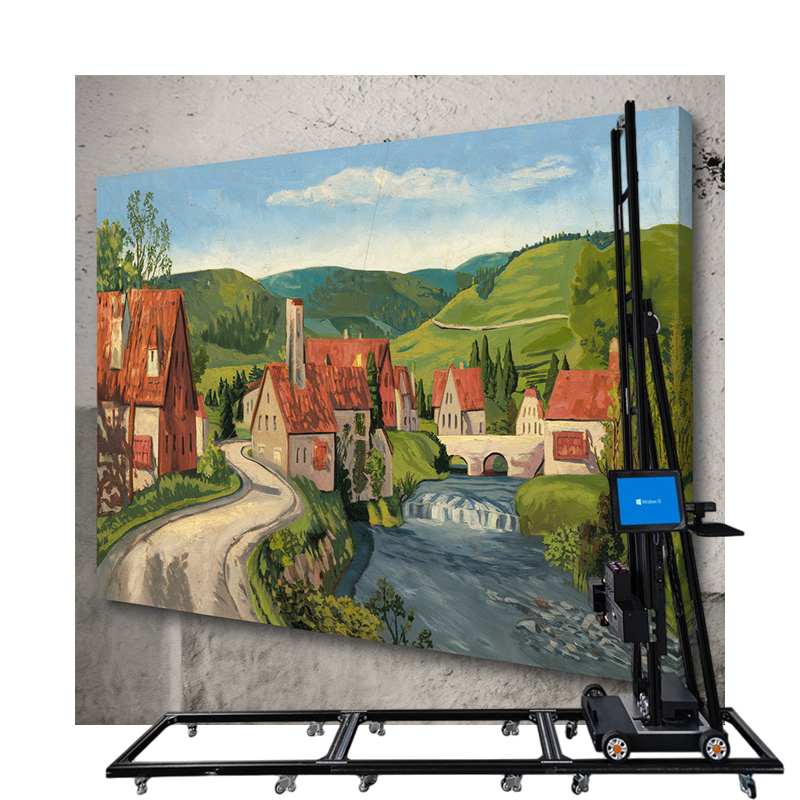
A wall inkjet printer is a digital printing device. It employs inkjet methods to place images right onto upright areas like walls, windows, and floors. These units are made for oversized printing. They can handle top-notch images in various styles and dimensions. Wall inkjet printers run on UV ink. This ink hardens right away under ultraviolet light. Thus, it produces bright, tough, and enduring prints.
What makes a wall inkjet printer different from standard flatbed printers?
The main distinction is the capacity of a wall inkjet printer to work on upright surfaces. Standard flatbed printers need a level printing area. In contrast, wall printers come with adjustable tracks and specialized printing heads. These features let them handle walls without trouble.
How Does a Wall Inkjet Printer Convert Digital Designs into Wall Graphics?
A wall inkjet printer starts by taking in a digital file. This is often in a JPG, PNG, or PSD format. Then, special software processes it. The printer head travels along a track system. As it moves, it lays down layers of ink on the wall.
How does a wall inkjet system maintain alignment and color accuracy?
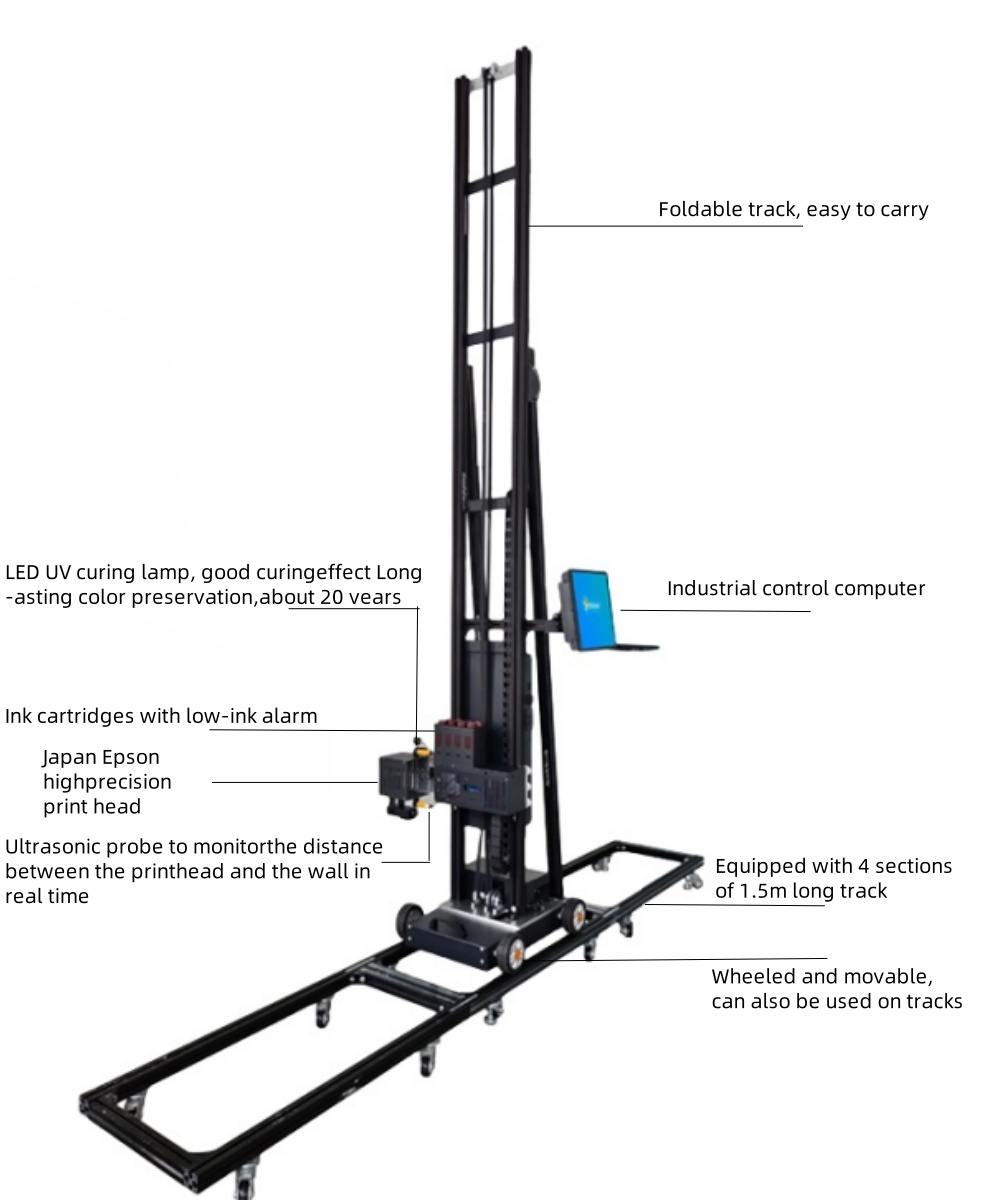
Modern laser positioning systems and ultrasonic sensors keep the printer head at the right distance from the wall. They also ensure the design stays lined up correctly. This works even on bumpy or rough surfaces. Such accuracy is vital for strong outcomes, particularly in bigger or detailed patterns.
How Do Wall Inkjet Printers Compare to Other Printing Technologies?
How Does Wall Inkjet Printing Compare with Large-Format Roll Printers?
Wall inkjet printers give clear edges over usual large-format roll printers. Roll printers suit tasks like banners, posters, and other level uses. However, they struggle with upright surfaces.
How do wall inkjet printers outperform large-format roll printers in vertical applications?
Wall inkjet printers are built just for upright areas. They include automatic height changes and instant surface checks. Roll printers stick to level printing. Moreover, they demand a lot of hand tweaks when moving to upright setups.
Can Wall Inkjet Printing Replace Hand-Painting or Screen Printing for Murals?
Hand-painted murals and screen printing have long been favorites for making large wall pieces. Still, these approaches have limits in speed, consistency, and scalability.
Is a wall inkjet printer better than hand-painting for large murals?
Hand-painted murals bring a special, creative feel. On the other hand, wall inkjet printers shine at making detailed, photorealistic designs far faster. So, they appeal to firms or people who want to match complex patterns reliably over wide spaces.
Why Do Wall Inkjet Printers Outperform Sticker or Decal Methods?
Applying stickers or decals for wall designs can lead to visible seams and poor adhesion as time passes. This is especially true on rough areas. The patterns may lift up, causing obvious issues.
What advantages does wall inkjet printing have over decal-based methods?
Decals go on in sections, unlike them. Wall inkjet printers offer seamless prints for a cleaner look. Also, UV-cured inks in wall inkjet printers are waterproof and fade-resistant. Hence, the printed works are much more durable.
What Performance Metrics Should You Evaluate When Comparing Printing Technologies?
What Are the Key Quality Indicators for Image Fidelity and Resolution?
Print resolution and color fidelity stand as the top quality measures for printing tech. Wall inkjet printers stand out for reaching high-definition prints, even on big scales.
What technical parameters matter most when evaluating print quality?
Important factors cover DPI (dots per inch), color gamut, and the precision of ink droplets. Wall inkjet printers often hit resolutions up to 2880 DPI. This suits fine details and high-resolution wall murals well.
How Important Are Speed and Throughput in Large-Scale Printing Projects?
For major business and home jobs, speed matters a great deal. Wall inkjet printers can cover up to 14 square meters per hour. This greatly shortens the time to finish a mural.
How does a wall inkjet printer balance speed with detail?
Users can tweak the print quality to fit the job’s demands. For instance, draft mode allows quick results. Meanwhile, high-definition mode gives outstanding detail, though it takes longer.
Why We at Hanjie Provide Leading Wall Inkjet Printing Solutions
At Hanjie, we grasp the value of both precision and efficiency in wall printing. Our wall inkjet printers fit needs for small personal tasks and big business uses. Models like the HJ-426 and HJ-928 include dual printhead configurations. This setup boosts higher printing speeds while keeping quality high.
Wie zeichnen sich unsere Wanddrucker für kommerzielle und künstlerische Projekte aus?
We emphasize ease of use and versatility. Our printers have automatic calibration systems, surface detection sensors, and high-resolution inkjet technology. These ensure flawless outcomes each time. No matter if it’s drywall, plaster, or brick, our units create vibrant, durable prints with top-notch precision.
Our wall inkjet printer machines rely on UV curable inks. These offer instant drying and stay water-resistant. So, your prints endure well over time, inside or out.
What features distinguish Hanjie wall printers from other technologies?
Our modular design makes transportation and installation simple. At the same time, the laser positioning system assures exact lineup for tricky designs.
FAQ
Q: What types of surfaces can a wall inkjet printer print on?
A: Wall inkjet printers work on many surfaces. These include drywall, brick, plaster, tile, and wood. Sensors spot surface differences. They adjust the printing head to deliver spot-on results.
Q: Can wall inkjet printers print in multiple colors?
A: Yes, wall inkjet printers handle a full set of CMYK+W inks. This allows lively, multi-hued prints. They produce lifelike images with deep colors and sharp details.
Q: How long do wall inkjet prints last?
A: Our wall inkjet prints endure for years. This comes from the UV-curable inks in the process. Inside, they hold up to 15-20 years. Outside, they resist weather for 3-5 years without losing color.