




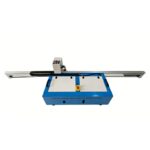
Factors That Lead to Inconsistent Color Quality in a Wall Printer Vertical
What Causes Uneven Color Output During Vertical Printing?
When doing printing on walls, one of the most frequent problems faced is uneven color quality. Changes in ink flow or pressure can create irregular tones. This happens particularly when the ink delivery system lacks proper balance. Outside factors like humidity and temperature shifts also impact pigment stability. As a result, they can produce muted or overly intense spots within the same wall printing design. Rough wall textures, such as plaster or brick, might take in ink at different rates. This leads to spotty outcomes.
Our machines rely on UV ink for quick curing. They work well on various surface types, including walls, glass, tiles, metal, and wood. Thus, even if different wall surfaces absorb ink in varied ways, the UV-curable formula provides greater uniformity than old solvent-based inks. Still, if surface preparation is inadequate or moisture stays trapped in the wall, even modern UV printing might display minor tone differences.
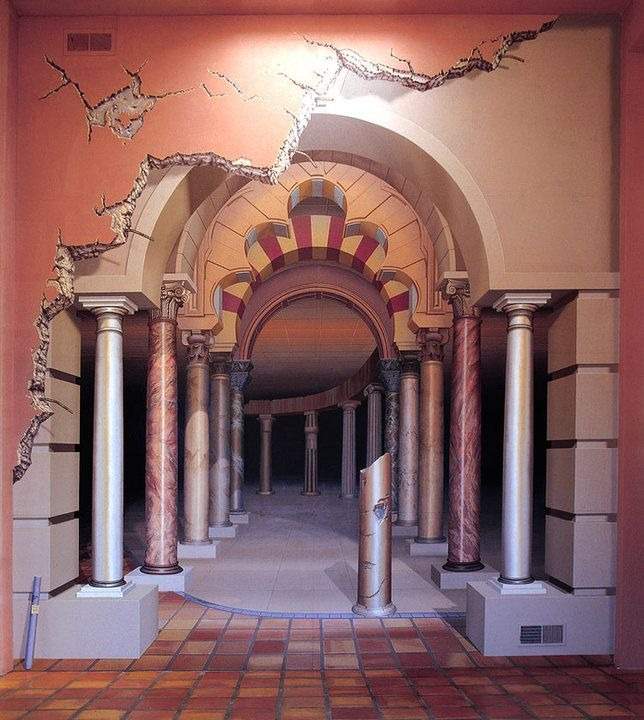
The Impact of Printer Calibration and Settings
Printer calibration is key to keeping steady hues and saturation during vertical wall printing. Wrong calibration can lead to mismatched tones between nearby print areas. Outdated firmware or poorly set software can alter color profiles. It also affects smooth gradient shifts. Routine maintenance helps keep nozzle alignment and ink flow steady over many projects.
Our Epson I1600 printheads reach up to 2880 dpi. This high accuracy demands exact calibration before every task. It ensures color accuracy across big murals.
How Ink Composition and Media Interaction Affect Print Consistency
The Relationship Between Ink Type and Wall Surface Material
Various wall materials—like plaster, brick, or concrete—take up ink at different speeds. Using unsuitable inks might cause fading or uneven finishes over time. Testing the surface first helps ensure stronger adhesion and even tones.
We employ CMYK+W inks that dry right away. They avoid smells and resist water and sunlight. This fast-drying trait cuts down on smearing on absorbent walls. At the same time, it keeps colors bright for lasting strength. For the best effects, adding a primer coat on bumpy walls can limit too much absorption.
Impact of UV-Curable vs. Water-Based Ink Systems in Vertical Printing
UV-curable inks harden immediately under ultraviolet light. This reduces smudging problems as the printer moves up and down. Water-based inks need steady surroundings to avoid streaks or runs from humidity shifts.
UV inks make prints resistant to water, fading, and wear. They last 3–5 years outdoors and 15–20 years indoors. Picking UV-curable types guarantees both brightness and endurance. These are vital qualities for expert wall printer uses.
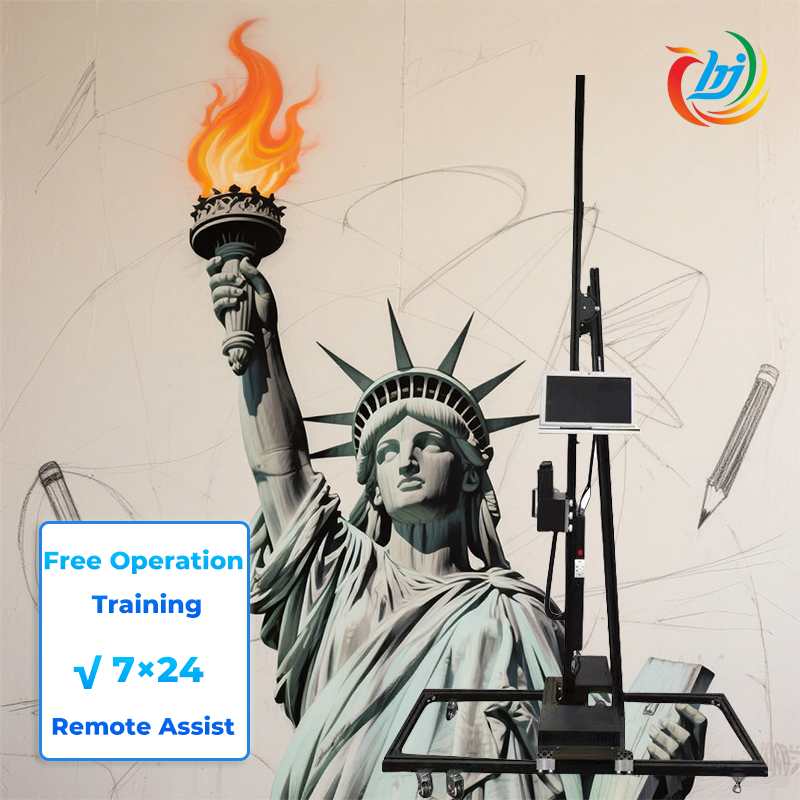
How Environmental Conditions Influence Wall Printer Vertical Performance
Temperature, Humidity, and Their Effect on Print Quality
Controlling the environment is essential for wall printer machines, whether inside or outside. High humidity can weaken pigment strength. This results in less vivid colors. On the other hand, cool temperatures delay drying. They raise the chance of streaks as the printer travels vertically on the wall.
All our products feature advanced technology and top components. These ensure sharp, lively, and tough printed images. They also offer great stability and flexibility in tough settings. Keeping that stability relies a lot on handling environmental changes during use.
Preventive Measures for Environmental Variability
To handle shifts in the environment while printing on wall surfaces, workers should use fans or vents to control humidity near the wall printer vertical setup. Adjusting the machine before each run helps it fit the room’s conditions. Storing inks correctly keeps their pigment quality intact over time.
Our machine uses just 6–10 ml of ink per square meter. It includes an automatic nozzle cleaning feature. This can greatly lengthen the nozzle’s life. Such traits support reliable work even in varying surroundings.
Mechanical and Software Factors Behind Color Inconsistency
How Nozzle Performance Affects Color Distribution
Nozzle function directly shapes how evenly colors spread over wide areas in vertical printing. Blocked or off-center nozzles create stripes or uneven shades. These break the overall look.
If the printhead clogs, cover it with a damp cloth and cleaning fluid. Clean it every 3–4 days to stop blockages. Regular cleaning routines prevent uneven ink drops during work.
Checking nozzle condition with built-in test tools cuts downtime and redoes. This is vital for business decorators who need steady output schedules.
The Effect of Software Profiles on Color Management Systems (CMS)
Software setup decides how well digital files turn into real prints. Wrong ICC profiles can twist colors or brightness from the planned designs.
An industrial PC or laptop equipped with a combined set of Photoshop, BetterPrinter, and UltraPrint software tools enables users to fine-tune color settings for each job. Regular updates introduce better CMS methods, which improve tone evenness in various lighting setups.
Why Operator Skill Matters in Achieving Stable Color Results?
The Influence of Printing Technique on Final Output Quality
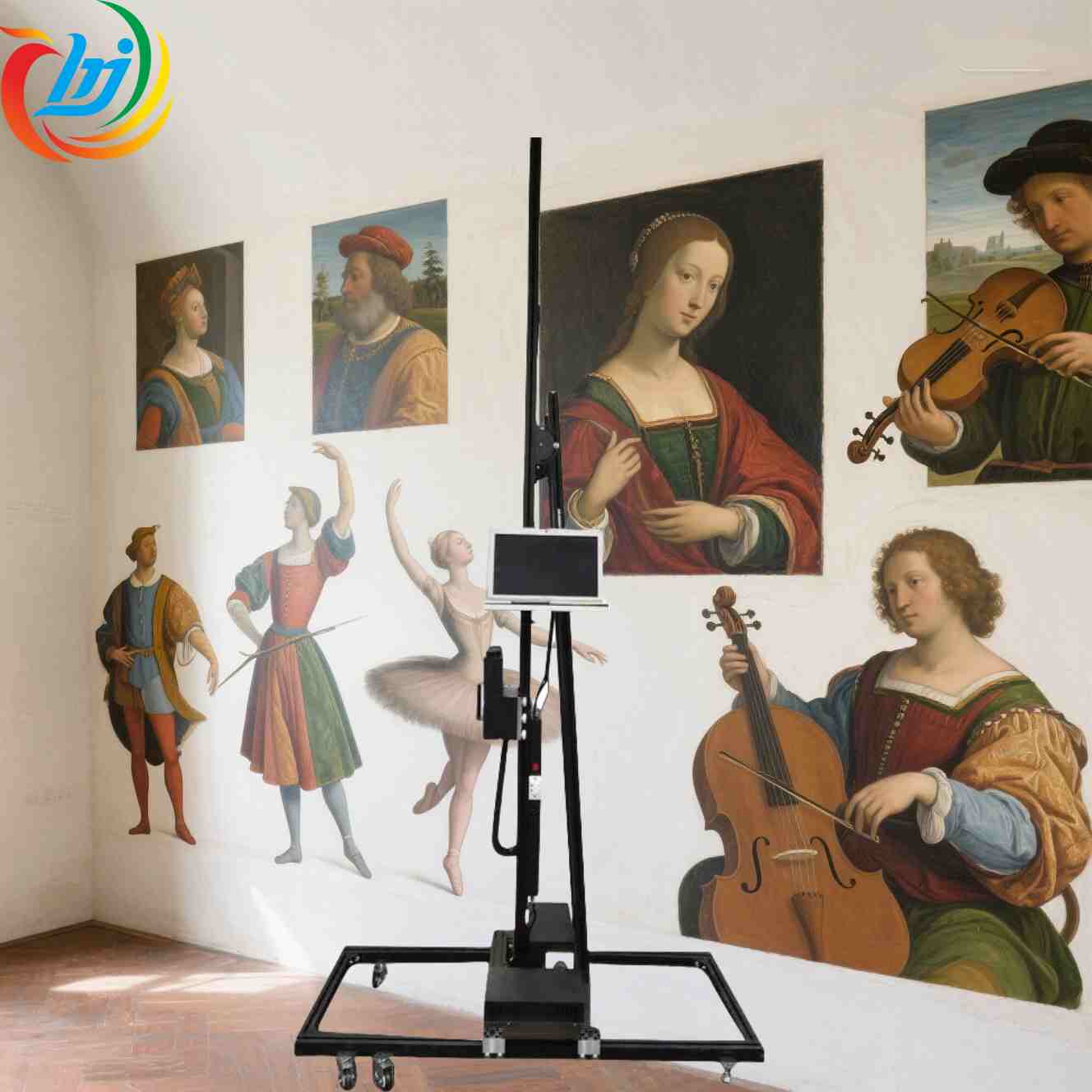
Operator knowledge greatly affects the end quality with a wall printer vertical system. Experienced techs know how changes in speed or spacing influence ink layers and tone blends. Training boosts accuracy in setup checks. This is crucial for detailed designs like 3D wall printing that need precise matching between runs.
We offer remote training to buyers. Whether you bought our machine three months or three years back, our techs will help fix issues. Ongoing education helps operators get steady results despite different job needs.
Hanjie’s Wall Printer Vertical: Precision Engineering for Reliable Color Performance
Features That Enhance Print Stability and Accuracy
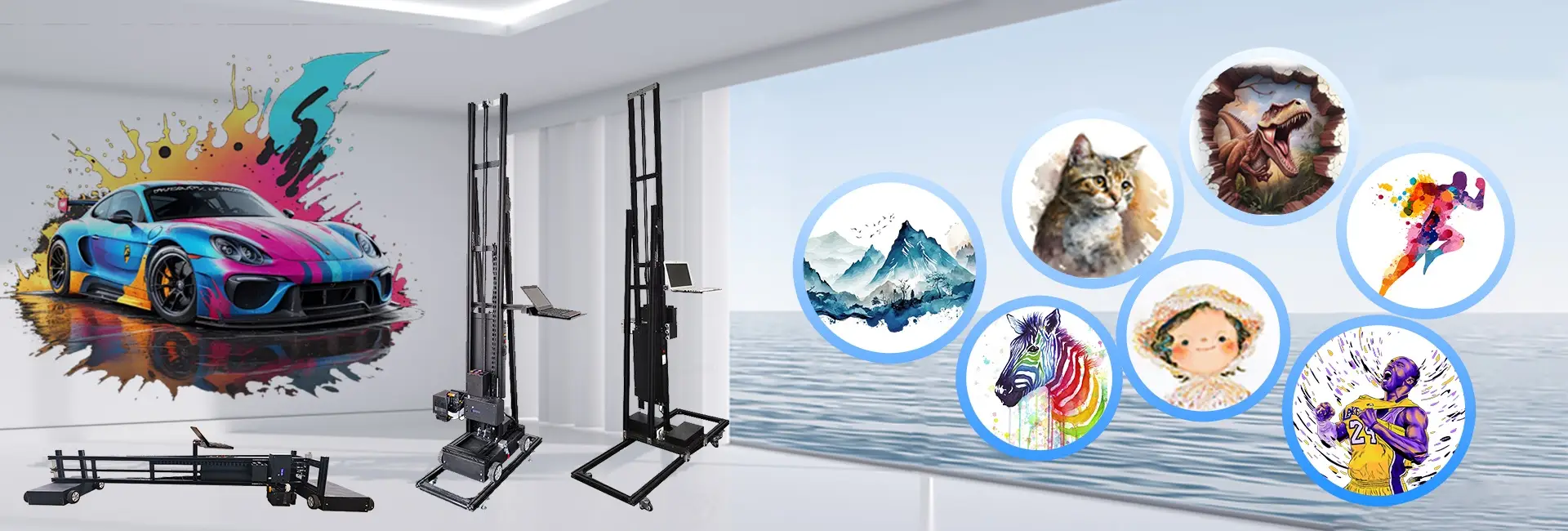
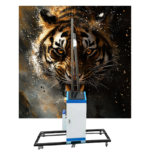
At Hanjie, we aim to provide dependable color output through careful design in our products. Our top model—the HJ-928 Vertical 3D Wall Art Printer Machine—includes advanced parts for steady results in vertical printing.
Our intelligent ink system adjusts flow rates on its own. Ultrasonic sensors spot bumpy surfaces instantly. They ensure even pigment spread, even on rough walls.
Why Choose Hanjie for Professional Wall Printing Projects?
As noted on our official site, we lead in mural printers and reshape wall art. We stress new ideas in vertical printing tech that give steady outcomes on diverse materials, from smooth indoor plasters to outdoor tiles.
Hanjie specializes in digital printing. We supply various wall printers for different sizes, accuracy, and speeds. This ensures quick, precise work. Our machines last long with little upkeep. They suit decorators wanting bright quality and smooth operations.
FAQ
Q: Why does my wall printer vertical produce faded colors after several prints?
A: Fading usually happens when nozzles get partly blocked or low-grade inks are in use. Routine cleaning with recommended solutions keeps brightness through multiple runs.
Q: Can uneven wall surfaces cause inconsistent colors?
A: Yes. Bumpy or absorbent walls take ink unevenly. Putting on primer before your printing on walls project boosts adhesion and evenness a lot.
Q: How often should I calibrate my wall printer machine?
A: Calibrate before each big project. Or do it about every 20–30 hours of use. This keeps color matching right during long runs. It supports professional-grade wall printing designs for homes, murals, and business setups.