Home » News » Page 3
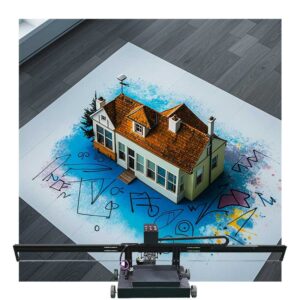
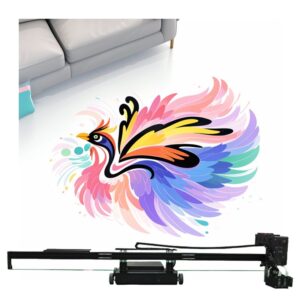
Figuring Out Floor Printer Machines What Is a Floor Printer in Construction? A floor printer is a high-tech robot tool that prints full-size building plans right on the ground. It takes over from old ways like chalk lines, tape measures, and laser marks. Floor printers use UV-cure inks and smart control systems to make high-clear designs on surfaces. These machines copy digital drawings, text, or murals in bright color with great detail. The tech works in places like home design, business decor, ads, and public art. From house murals to company brand, floor printing opens new creative paths for spaces. How Does a Floor Printer Run on Site? On the job, the floor printer sits on concrete or other hard base and sets with lasers or ultrasonic sensors for line-up. The printer adopts UV printing technology, letting it print direct on many materials like wood, cement, tile, asphalt, brick, lime, and epoxy. Our HJ-129 model reads the loaded digital plans and uses high-clear inkjet head to spray CMYKW (Cyan, Magenta, Yellow, Black, White) UV-cure inks right on the surface. Different inks mix on each dot to form required colors. The whole job runs via easy software link from tablet or
The Functionality of a 3D Floor and Wall Printer What Is a 3D Floor and Wall Printer? A 3D floor and wall printer is a special digital print device built to put bright, high-clear graphics right on up and flat surfaces. These machines are changing how murals, floor art, and brand visuals are made in home, business, and public spots. Wall art printers use inks and smart control systems to make high-clear designs on surfaces. Our print quality can reach up to 2880 DPI, letting even complex patterns and real-life murals show with great sharpness. This tech runs via advanced software that handles image work, line-up, and surface set, making sure art fits smooth into building shapes. How Does the Print System Work? The system behind a 3D floor and wall printer uses top inkjet tech. Using UV-cure or eco-solvent inks for lasting results, our printer sprays ink on the surface with exact nozzles. The print head sits on a machine system that moves across three axes—X (side), Y (up-down), and Z (deep)—letting it change to different heights and surface shapes. Our laser positioning system and printheads’ electric lift ensures accurate image alignment. This makes sure the printed image stays
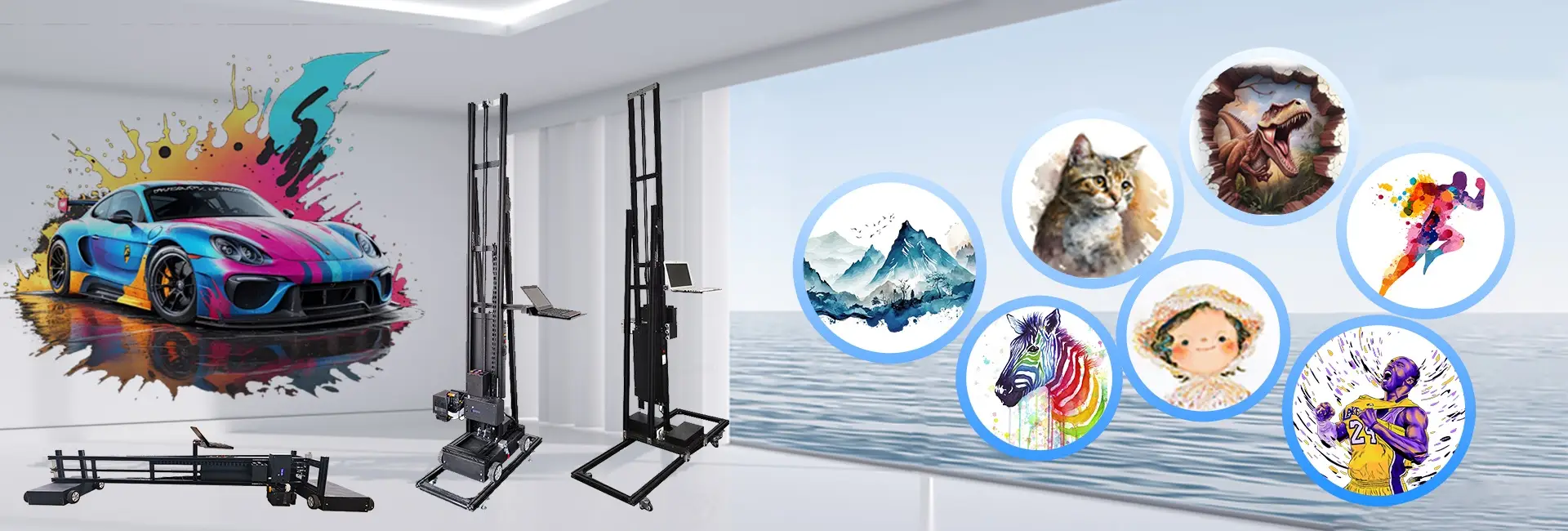
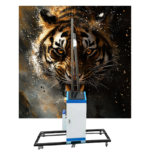
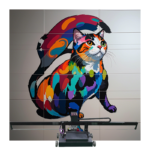
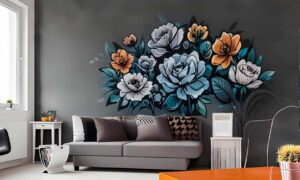
What Is a Wall Printer Machine and What Does It Do? Understanding Wall Printer Machines A wall printer machine is a high-tech up inkjet print system that lets users put digital images right on up surfaces like walls, tiles, glass, or wood. Wall art printers use inks and smart control systems to make high-clear designs on surfaces. These machines are built to copy digital art, text, or murals in bright color with great detail. The tech is used much in fields like inside design, business decor, ads, and public art. From home murals to company brand, wall printing opens new creative chances for spaces. How Do Wall Printer Machines Differ from Old Printers? Traditional printers operate on flat, horizontal surfaces like paper or canvas. In contrast, wall printers function vertically and are engineered to manage the unique challenges of wall surfaces—including texture variations and height. They are equipped with vertical tracks and motion systems to move across walls. These systems guide the print head smoothly up and down to maintain accuracy. Additionally, the ink formulation is tailored for adhesion to concrete, plaster, wood, and other materials. For instance, our specialized UV inks cure instantly under light and are resistant to
Key Things That Help Wall Printer Machines Last Long What Keeps a Wall Printer Machine Tough Over Years? A wall printer’s toughness comes mostly from top parts and build. Industrial-level parts make sure the machine holds up to nonstop moves and outside hits. For instance, our HJ-928 model features print heads imported from Japan: High precision and good durability (EPSON), which are designed for long-term use with minimal degradation. A solid frame setup is another big deal. It cuts shakes and wear while running. All Hanjie models, including the HJ-426 and HJ-725, are equipped with a stable track system: Ensures smooth and precise printing on both vertical and horizontal surfaces. This not only enhances printing accuracy but also extends the lifespan of the mechanical system. Plus, good linear rails and motors cut fix needs. Our printers include self-supporting slide rails and movable pulleys, enabling quick assembly while preserving mechanical integrity over time. How Do Makers Keep Print Quality Steady? Steady prints start with exact hardware. Fine nozzles and ink feed keep pics sharp. For example, the HJ-426 supports up to 2880 DPI resolution powered by EPSON printhead (DX10 or I1600), allowing for photorealistic murals and intricate patterns. Color rightness over
The Role of a Specialized 3D Wall Printer Supplier in Art Printing Innovation How’s the Art Printing World Changing with Tech? The art printing world is flipping fast, thanks to digital upgrades. Old ways like hand-painted murals and screen printing still have fans, but new printing fixes are jumping in—or even taking over. A big change is grabbing high-res digital printers that slap vivid, big artworks right on the spot. This lets artists and designers ditch canvas and paper, trying fresh spots like walls, glass, metal, and wood for their work. Another push speeding this up is the want for custom stuff. Folks in homes and businesses crave personal designs—like a family pic mural in the living room or a branded setup in a shop. With digital wall printing, jobs finish way quicker without dropping quality. Wall art printers lean on UV-curable inks and smart control systems to create high-resolution designs on surfaces. This mix of speed, accuracy, and flexibility is shaking up how art gets made and enjoyed in today’s spots. Why’s Being a Specialist Key in 3D Wall Printing? In the fast-moving world of digital wall printing, being a specialist counts big. A specialized 3D wall printer supplier
Getting Why Lube Matters in UV Wall Printing Machines Why’s Lube a Must for UV Wall Printing Machine Life? Good lube is key to keeping long-run work and trust in a UV wall printing machine. These gadgets have lots of moving bits that run non-stop on print jobs, and without enough lube, rub between parts jumps big. This speeds up wear but also stresses exact systems that keep print looks good. Lube helps big with heat spread too. As motors, rails, and bearings go fast on long print runs, they make heat that can hurt parts if not handled right. Lubes work as heat movers, pulling heat from touchy spots. Plus, in spots with changing wet and air junk, lube stops rust on metal bits. This matters extra for high quality wall printer machines that get moved between jobs or hit different weather. Last, steady lube keeps smooth moves of mech stuff like linear guide rails, belts, and motors. This hits pic exactness straight—an must for any wall art printer using UV-curable inks and smart control systems to make high-res designs on surfaces. Key Bits That Need Steady Lube Several must parts in a wall printing machine need routine lube
Getting How a Wall Printer Portable Runs What’s a Wall Printer Portable? A wall printer portable is a small, movable inkjet print setup built to put high-sharp pics straight on upright walls. This tech is changing how we do mural plans, pretty wall art, and brand signs in homes and work spots. Unlike old paint or paper, a portable wall printer brings digital spot-on and bright pops on lots of stuff. Wall art printers use UV-curable inks and smart control systems to create high-resolution designs on surfaces. These machines are often used by artists, decorators, and entrepreneurs aiming to produce unique 3D printed wall art with less effort and more control. How Does It Print on Upright Walls? Portable wall printers work with a track-based setup that lets vertical and side moves. Set on tweak tracks, the wall printer machine rolls easy while shooting ink through tiny tips in exact ways. Our wall printer is equipped with high precision ultrasonic sensor which can automatically detect the distance during printing. This helps keep steady close between printhead and wall, making sure sharp and lined pics even on a bit bumpy walls. Laser positioning system and printheads’ electric lift ensures accurate image
Getting the Lowdown on 3D Wall Printers What’s a 3D Wall Printer and How Does It Work? Wall printers are inkjet machines that slap designs right onto walls or other upright surfaces. A 3D wall printer uses fancy printheads to squirt UV-curable ink on all sorts of materials, cranking out sharp designs with depth and texture. They run on a beefy control system that plays nice with software like Photoshop, BetterPrinter, and UltraPrint. What Materials Get Used in 3D Wall Printing? We use a super durable UV ink that dries in a snap under the built-in UV lamp and sticks to pretty much any surface. Thus plaster, wallpaper, wood, brick, latex paint, stone, clinker, plastic, metal, glass, most tiles and many other materials can be printed without any problems. This flexibility is a huge win for 3D wall printers. Checking Out How Durable Lighter Wall Prints Are Are Lighter Wall Prints More Durable Than Heavier Ones? How long a print lasts doesn’t just depend on how “heavy” it is with color or ink. Lighter prints can actually hold up better sometimes because they put less stress on the wall and are less likely to crack or peel over time.
What’s Eco-Friendly Wall Printing and Why Should You Care? Eco-friendly wall printing is a digital printing method that uses green materials and earth-smart tech to put high-res images right on walls and other surfaces. Unlike old-school painting or wallpapering, wall printing uses advanced wall printer machines with precise printheads and low-emission inks to create detailed murals with little waste and low energy use. How Does Wall Printing Help Sustainable Living? Wall printing cuts down on material use and waste, making it a smarter choice for green living. It lets homeowners and businesses skip the eco-hit from throwaway wallpapers, chemical-heavy paints, and shipping pre-printed decor. Plus, the on-demand style means you only print what you need—no extras. What Makes a Wall Printer Green? A few things make a wall printer eco-friendly: Solvent-free or low-VOC UV-curable inks High-efficiency printheads that cut ink waste Auto software for spot-on application Works with green materials like plaster, recycled wood, and low-impact paints Environmental Perks of Eco-Friendly Wall Printing How Does Wall Printing Cut Waste Compared to Old Methods? Less Paint and Materials Traditional murals need gallons of paint, brushes, masking stuff, and protective layers. Our machine uses just 6~10 ml of ink per square
Why’s a Floor Printer Worth Your Cash? Why Are Floor Printers Popping Off in Shops and Creative Spots? Floor printers are blowing up in commercial, artsy, and branding scenes because they slap high-res, tough-as-nails graphics right onto all kinds of floors. Whether it’s dope retail displays, interactive event visuals, or custom home decor, the demand for floor graphics is through the roof. Compared to old-school stickers or hand-painting, floor printers bring killer precision, speed, and flexibility. What Makes a Top-Notch Floor Printer? Print Resolution and Image Clarity When you’re printing on big surfaces like floors, clear visuals are everything. A solid floor printer’s gotta deliver sharp details, bright colors, and smooth gradients for pro-level results. Automation and Workflow Vibes Automation makes printing a breeze and keeps output steady, especially for big or repetitive gigs. Smart calibration, surface detection, and software hookups are the key pieces. Versatility Across Surfaces A legit floor printer should handle all sorts of materials—wood, cement, tile, asphalt, epoxy—giving you the freedom to tackle any project without limits. Reason 1: Precision and High-Res Printing How Does Resolution Mess with the Final Look? Why DPI’s a Big Deal in Floor Printing DPI (dots per inch) is what