





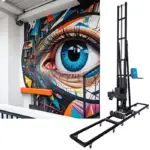
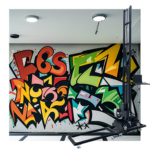
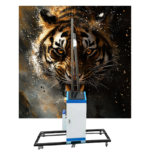
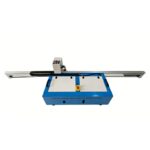

In today’s decorative and business projects, wall printing stands out as a top choice for making big murals, brand visuals, and custom interiors. As wall printer machine 3d wall technology improves, print quality—how closely the output matches the original design—has turned into a vital measure of success. One major but frequently overlooked element that impacts this quality is the substrate material.
Walls differ a lot in texture, porosity, flatness, and absorbency. These traits directly shape how ink acts on the surface. They also affect how clear details look and how well the printed image holds up over time. For creating high-resolution graphics or complex 3d printed wall art, it’s crucial to grasp how substrate materials work with wall printer machine 3d wall setups. This knowledge helps deliver pro-level outcomes.
What Is a Wall Printer Machine 3D Wall System and How Does It Interact with Surfaces?
What Defines a Wall Printer Machine 3D Wall in Practical Applications?
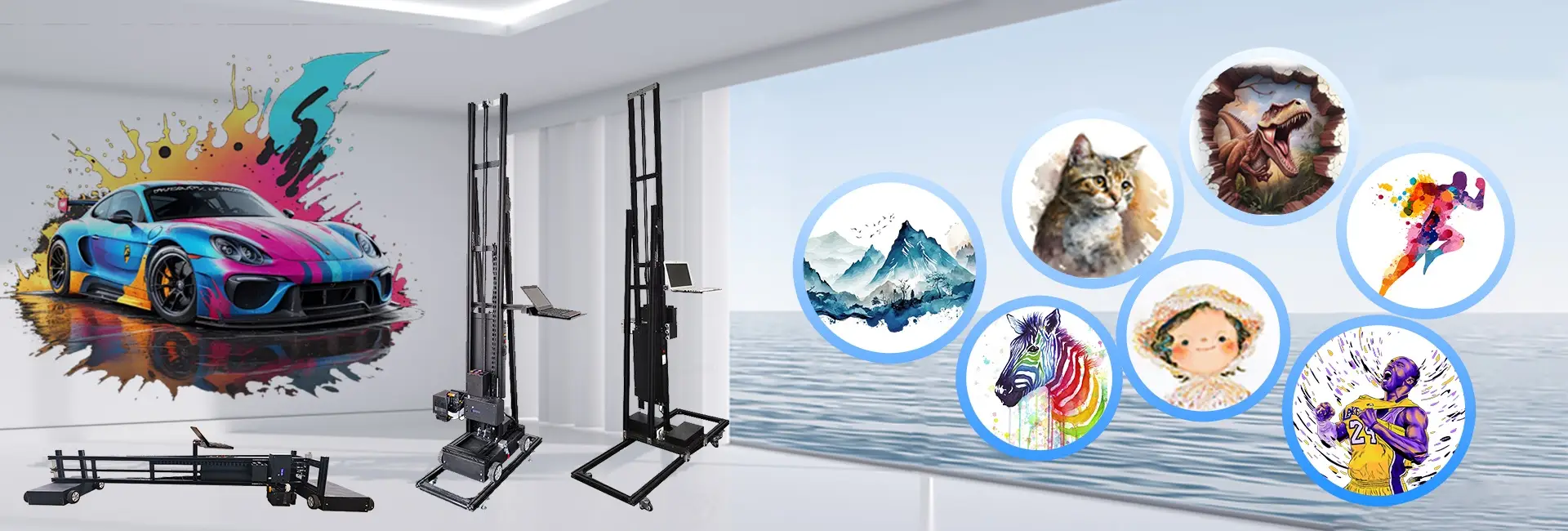
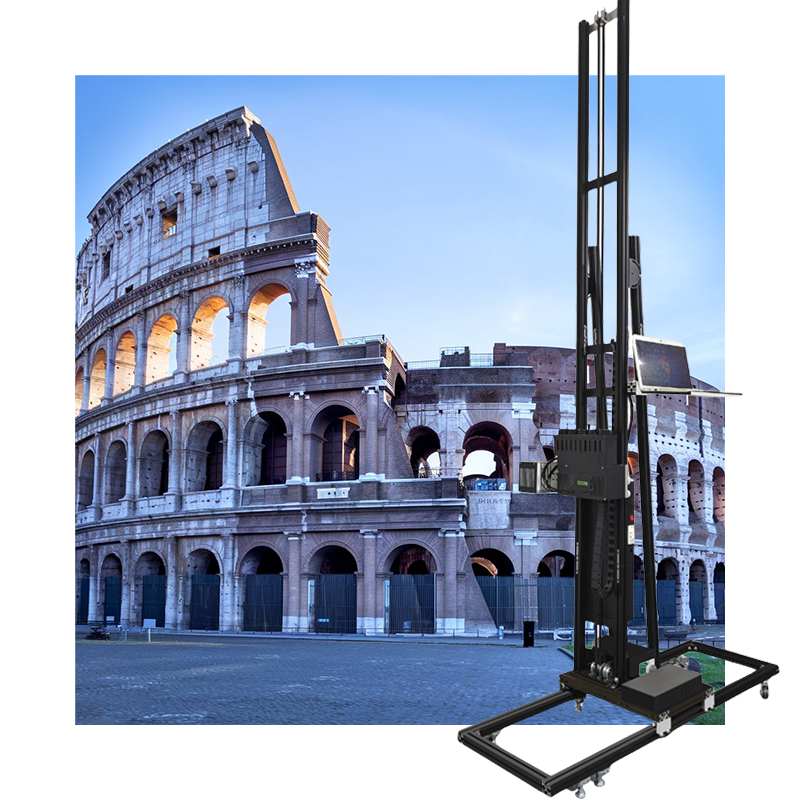
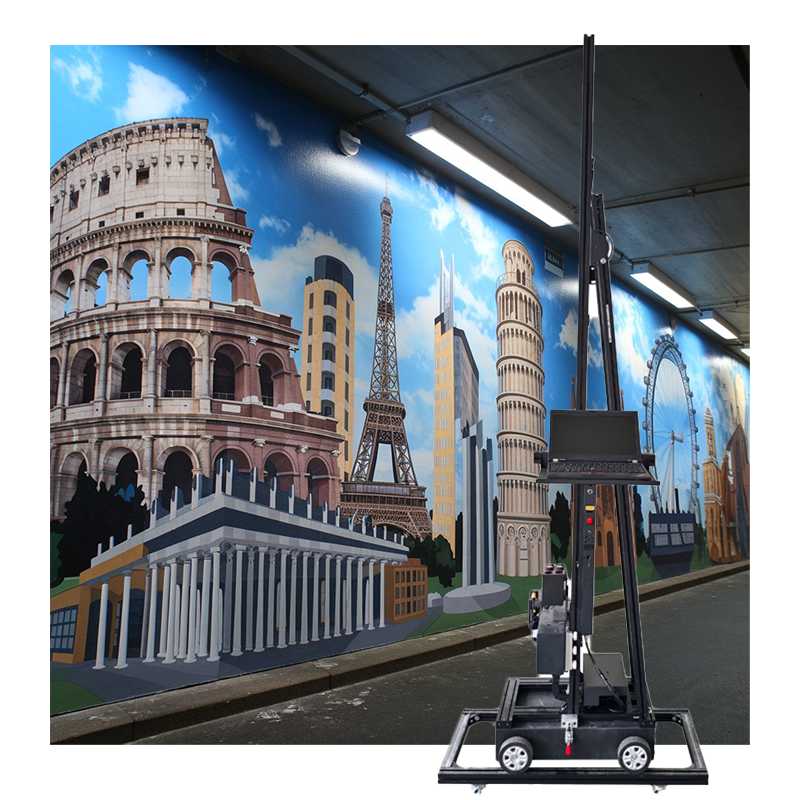
A wall printer machine 3d wall system is a dedicated digital printing tool built to apply images straight onto upright surfaces. It differs from old-school painting or spraying techniques. Instead, it depends on exact mechanical motion, smart software guidance, and cutting-edge ink methods to produce steady, high-quality prints.
The “3D” part in wall printer machine 3d wall doesn’t mean actual depth. Rather, it points to visual depth. By managing ink layers carefully, ensuring spot-on positioning, and rendering crisp edges, the system crafts images that feel deep, textured, and lifelike. This strength makes wall printer machines great for artistic murals and engaging indoor setups.
How Does a Wall Printer Machine 3D Wall Adapt to Different Substrates?
Wall printer machine 3d wall systems handle many kinds of wall materials. They employ laser guidance and sensors for distance to keep a steady space between the printhead and the surface. Then, software routines tweak ink flow and print routes according to the surface’s state.
Such flexibility lets the printer keep image size and sharpness intact, even on walls that aren’t totally even. The blend of hardware accuracy and software smarts is what allows reliable wall printing on various substrates.
What Types of Substrate Materials Are Common in 3D Wall Printing?
Why Do Smooth Surfaces Produce Different Results Than Rough Surfaces?
Smooth substrates like plastered walls, painted drywall, glass, or metal sheets usually yield the best print quality. Ink spreads out uniformly on them. This leads to clear edges, strong color vibrancy, and precise detail capture. For jobs needing photo-like sharpness or detailed designs, smooth surfaces work best.
On these materials, wall printer machine 3d wall systems deliver even line work and lively hues with little tweaking. Thus, smooth surfaces suit business branding and upscale decor well.
How Do Porous or Textured Materials Affect Output Fidelity?
Porous or textured materials—think brick, concrete, cement, or wood—bring extra hurdles. These surfaces soak up ink at uneven speeds. That can blur edges or dull colors if handled poorly. Texture might also create tiny shifts in printhead spacing, harming detail crispness.
Yet, current wall printer machines counter these issues. With good setup and ink management, wall printing on textured substrates can still look striking. This holds true especially for creative or rugged-style projects.
How Does Substrate Material Influence Color Accuracy and Detail Resolution?
Why Does Ink Absorption Vary Across Different Wall Materials?
Ink absorption hinges mostly on surface porosity and finish. Walls that soak up a lot draw ink inward. This can tone down colors a bit or lessen contrast. Surfaces that absorb less let ink sit on top. As a result, they give brighter and fuller colors.
This difference plays a big role in print quality for wall printer machine 3d wall jobs. Without fixes, one image might seem quite different on various materials.
How Can Wall Printer Machine 3D Wall Systems Compensate for Material Differences?
Top wall printer machines rely on UV-curable inks. These dry super fast right after printing. Such quick setting cuts down on ink bleeding and stops too much soaking in. It helps keep edges sharp and colors steady.
Plus, software color tweaks and variable ink strength let users adjust output to fit the material’s traits. These tools help wall printing systems uphold strong quality over many material types.
What Technical Challenges Arise When Printing on Complex Substrates?
How Do Uneven or Curved Surfaces Impact Printing Precision?
Bumpy walls, seams, or bent surfaces can throw off print accuracy if not dealt with right. Changes in the gap between printhead and wall might cause fuzzy lines or off-kilter details.
Wall printer machine 3d wall systems tackle this with live distance checks and auto height shifts. They keep an eye on surface traits all the time. In turn, the printer ensures solid output in tough spots.
Why Is Distance Control Critical for Output Fidelity?
Keeping a steady printhead-to-wall gap is key for exact ink drops. Even tiny slips can alter drop size, spot-on placement, and image clearness.
Distance systems make sure the printer adjusts on the fly as it covers the wall. This feature matters a lot for huge murals and ongoing wall printing tasks. There, evenness over the whole area is a must.
Why Hanjie Wall Printer Solutions Are Optimized for Diverse Substrate Materials
At Hanjie, we build our impresora mural 3d wall systems with material flexibility as a main focus in our design approach. We know real jobs deal with all sorts of wall types. Steady print quality relies on how the system handles those variations.
Our wall printer machines combine laser positioning system, ultrasonic distance sensors, and clever software oversight. This setup guarantees firm printing on both even and bumpy surfaces. We stress precise motion, true ink application, and instant tweaks to sustain top-notch outcomes across varied materials.
Our products handle wall printing on stuff like plaster, brick, concrete, wood, tiles, and painted areas. This range lets customers make everything from precise business murals to bold 3d printed wall art in homes and public spots. By pairing solid hardware with fresh ink tech, we aid users in getting reliable, expert results no matter the surface setup.
How Can Proper Substrate Preparation Improve 3D Wall Printing Results?
Even though today’s wall printer machines adapt well, readying the substrate properly is still a key step for the best outcomes. Wiping the wall clean of dirt, oil, or flaking bits boosts ink grip and color evenness.
Sometimes, adding a primer or base layer can even out absorption and make the surface more uniform for printing. These prep actions lift print quality, boost image lasting power, and cut down on fix-up needs in wall printer machine 3d wall projects.
PREGUNTAS FRECUENTES
Q: What materials can your wall printing machine print on?
A: We use a very durable UV ink that cures instantly under the integrated UV curing lamp and can be used on almost all material surfaces. Thus plaster, wallpaper, wood, brick, latex paint, stone, clinker, plastic, metal, glass, most tiles and many other materials can be printed without any problems.
Q: What substrate materials provide the best output fidelity for wall printing?
A: Smooth and properly prepared surfaces generally deliver the highest color accuracy and detail resolution, though advanced systems can also perform well on textured materials.
Q: Does substrate preparation affect the durability of 3d printed wall art?
A: Yes. Proper preparation improves ink adhesion and curing, helping wall prints maintain their appearance and longevity in both indoor and outdoor environments.