


Comparing Vertical Wall Printing and Traditional Wallpaper in Commercial Spaces
What Makes Vertical Wall Printing Different from Wallpaper?
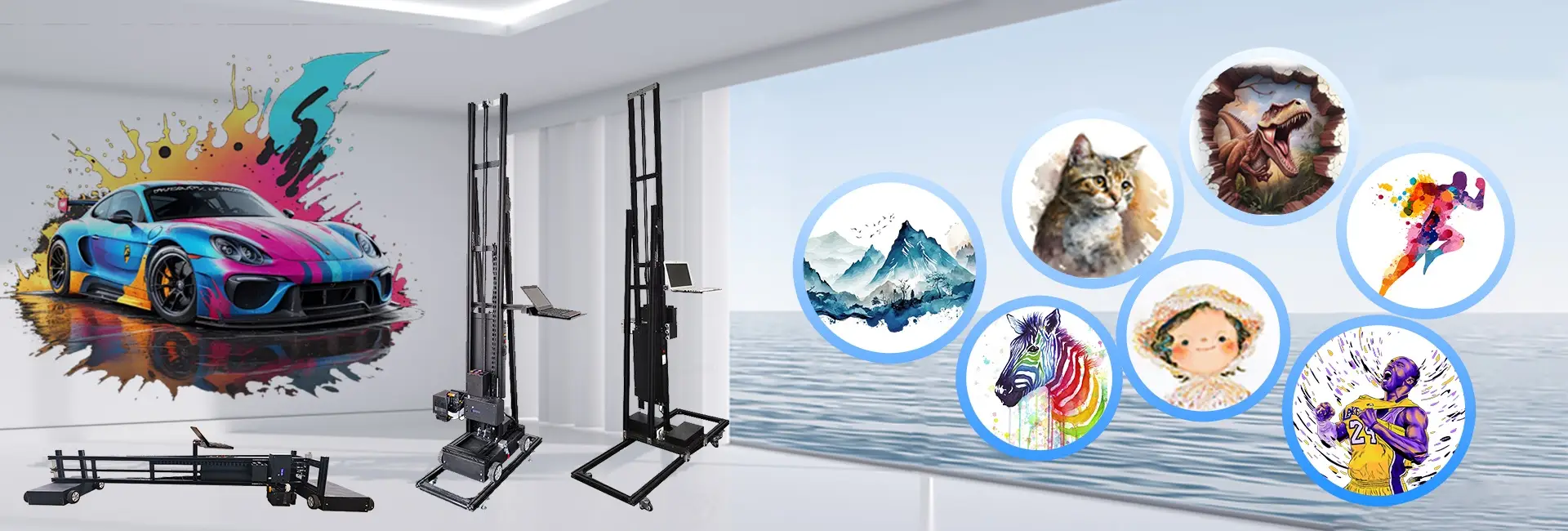
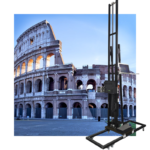
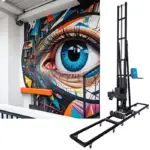
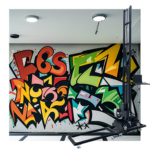
Vertical wall printing has changed contemporary interior design. It combines direct-to-wall inkjet technology. This tech prints artwork straight onto surfaces. Traditional wallpaper needs pre-printed rolls and adhesive application. But this method employs a wall printer to create smooth, sharp images right on location. Wall art printers rely on UV-curable inks and clever control systems. They produce clear designs on various surfaces. This technique removes the need for repeating patterns or tangible supplies. It gives businesses options for special branding or big murals.
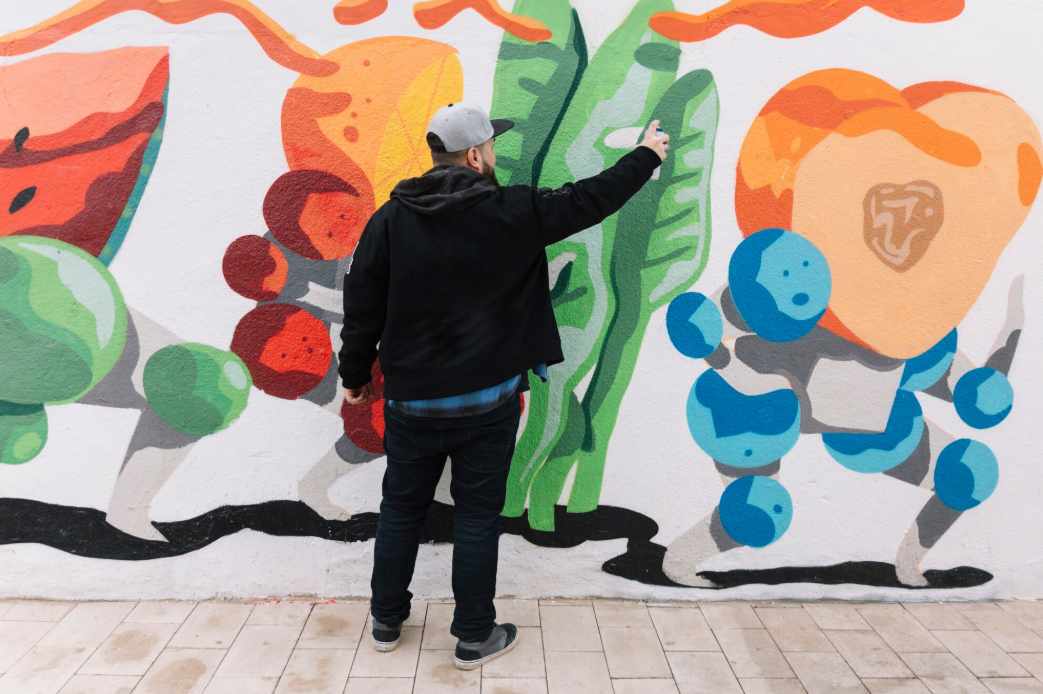
Traditional wallpaper depends on printed sheets from paper or vinyl. These get applied with glue. That glue can release chemical smells during setup. On the other hand, wall printing design provides a digital process. You just load an image into software like Photoshop. Then print it right on the wall. The method cuts down on handwork. It ensures accuracy with laser positioning systems and electric lift changes. Our wall printers apply laser positioning and printheads’ electric lifting. This allows exact printing on mildly rough surfaces. It avoids twisting, which hand-painting often faces.
The two approaches vary a lot in material use, setup difficulty, and environmental effects. Wallpaper needs rolls that create trash during cutting. Yet, printing on walls happens digitally. So, no extra materials get left behind.
Material Composition and Environmental Impact
A key benefit of sustainability in vertical wall printing is skipping PVC-based wallpaper materials. Digital wall printers use UV or water-based inks. These stick directly to plaster, concrete, or wood. They skip fake backing layers. UV ink is a solvent-free type. It holds few volatile organic compounds (VOCs). Unlike old solvent-based inks, it harms air pollution and human health less.
Traditional wallpapers frequently include man-made fibers or vinyl layers. These make recycling tough. They also boost landfill trash. But digital printing skips adhesives completely. This lowers chemical contact for workers. Waste cuts back a great deal. No clippings or thrown-out rolls come from digital wall printing jobs.
Evaluating Eco-Friendliness: Energy, Waste, and Emissions
Energy Consumption During Production and Installation
Vertical wall printers use electricity while running. However, they dodge the heavy energy needs of making wallpaper rolls. Those processes involve coating, drying, and packing. The printing speed of the wall printer reaches 6~14 square meters per hour. It varies by print quality and image sharpness. This quick pace leads to fewer carbon emissions per job. Plus, designs are printed right on-site. So, emissions from hauling heavy wallpaper rolls disappear.
Traditional wallpaper making includes several factory steps. These cover ink spreading, layering, high-heat drying, and boxing. All of them add up to major energy use before items arrive at setup spots.
Waste Management and Recycling Potential
Printed walls produce very little leftover stuff. There are no paper bits or glue leftovers to throw away after setup. Wallpapers often need glues that block recycling. Chemicals taint them. Eco-friendly inks in vertical wall printers boost green results further. They come in low-VOC or water-based forms.
Our CMYK+W UV inks have low VOCs. They compare favorably to old solvent-based inks. These features make digital wall printing the most durable printing method for wall decor. At the same time, it upholds environmental care.
Indoor Air Quality and Material Safety in Commercial Environments
How Do VOCs Differ Between Wall Printing and Wallpaper?
Volatile organic compounds (VOCs) from glues or covers in traditional wallpapers can harm indoor air quality as time passes. Many commercial areas now favor low-release materials for people’s well-being. Vertical wall printers tackle this issue. They use harmless UV-curable or water-based inks. These give off almost no VOCs while hardening.
UV-curable ink in machine-printed murals hardens right away under UV light. The outcome is a smell-free setting. It fits well for offices, shops, hotels, or medical centers. Air quality rules matter there.
Longevity and Maintenance Considerations
Digitally printed walls show better strength than wallpaper setups. Those often peel or lose color from dampness. Wall printings hold up well. Their UV ink resists UV rays and rubbing. It keeps color even outside. With good care, prints can endure for over ten years inside. No replacement needed.
Wallpaper usually calls for regular swaps due to water damage or style wear. Vertical wall printing fights fading and peeling. So, it cuts renovation times. This lowers both material trash and ongoing expenses for commercial owners. They want green decor choices.
Cost Efficiency and Project Scalability for Businesses
Is a Vertical Wall Printer Cost-effective for Large-scale Projects?
For big commercial jobs like hotels or store networks needing wide branding, vertical wall printers offer money savings. They cut repeated costs for wallpaper rolls and glues. Our machine uses just 6~10 ml of ink per square meter. This thrift keeps running costs low over time. Quality stays steady across many sites.
Plus, setup delays shrink. Digital printing happens straight at the spot. No wait for glue to dry or line-up fixes common with wallpapers. It suits urgent makeovers where keeping business going counts.
Balancing Aesthetic Flexibility with Budget Constraints
Wall printers allow endless creative choices via custom designs loaded digitally. They suit company branding murals or themed interiors with fine details. Wallpapers provide feel options. But they restrict design options due to ready-made patterns.
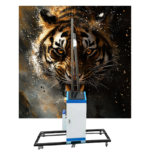
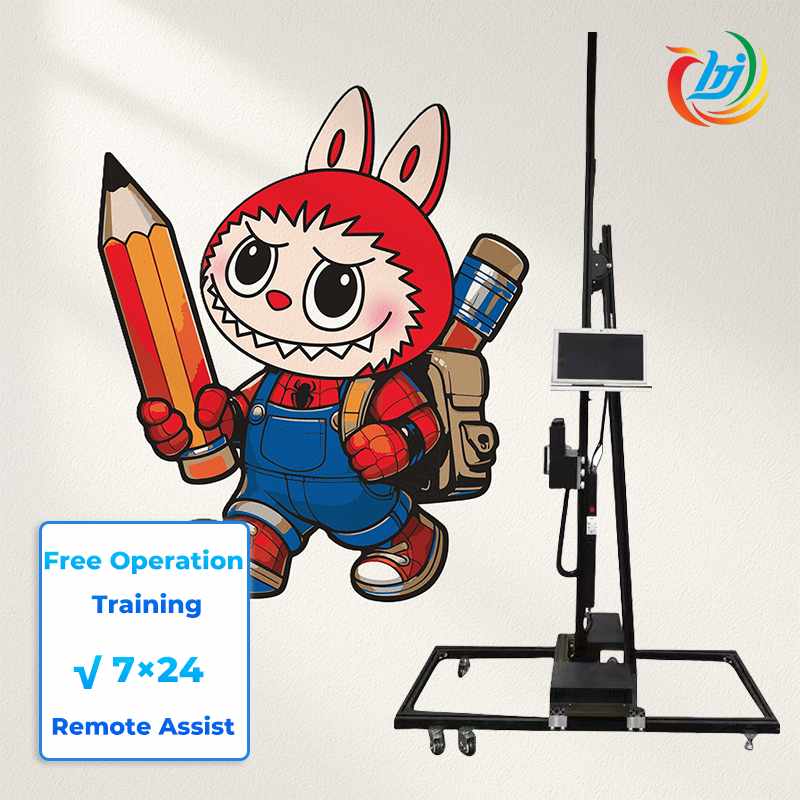
The HJ-928 redefines wall art printing with its mix of modern tech and easy-to-use build. With sharpness up to 2880 DPI using Epson printheads, Hanjie’s machines give photo-like outcomes. They fit any commercial style goal while fitting budget limits.
Hanjie’s Contribution to Sustainable Wall Printing Technology
Hanjie’s Wall Printer Solutions for Eco-conscious Projects
At Hanjie, we stress building green solutions and blend imagination with environmental duty. Hanjie works in digital printing. We aim to offer clients fresh wall printing solutions. Our lineup has top models like the HJ-928 Vertical 3D Wall Art Printer Machine. It serves new users and experts wanting quick 3D wall uses.
The HJ-928 redefines wall art printing with its blend of advanced technology and user-friendly design. It handles green UV-curable inks. These resist water, fading, and harm indoors. They can last up to 20 years inside. Color stays bright.
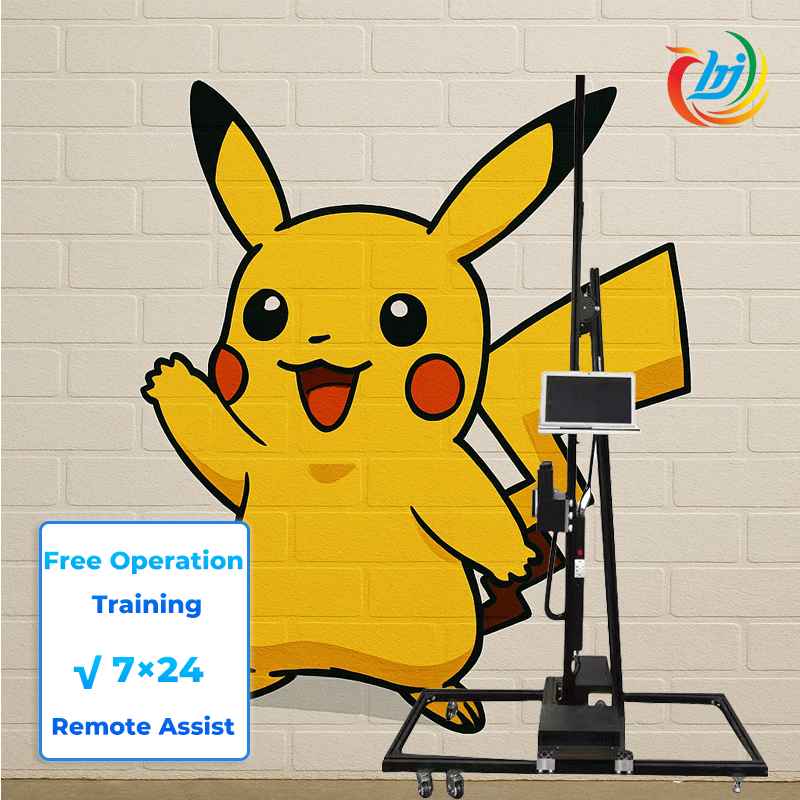
Our collection also covers multi-use systems. They print on varied items like plaster walls, tiles, glass sheets, metal faces, or wood panels. This grows creative chances in different building settings.
Why Businesses Choose Hanjie’s Vertical Wall Printers for Green Design Goals?
Companies are picking our vertical wall printer tech more and more. It matches the company green aims well. It cuts resource use across project stages. We give free software updates for life via BetterPrinter and UltraPrint tools. This ensures ongoing improvements without extra trash.
We lead as makers of mural printers. We reshape wall art. Our pledge goes past equipment. We help clients with tech training. It covers machine skills to software know-how. So, every business gets reliable outcomes when printing on walls in a green way.
Our machines’ modular setup allows for fast assembly in minutes. It fits large setups needing accuracy. Yet, it causes little upset during work times.
PREGUNTAS FRECUENTES
Q: Is vertical wall printing more sustainable than using traditional wallpaper?
A: Yes. Vertical wall printing minimizes waste by eliminating paper rolls and adhesives while using eco-friendly inks that reduce emissions during production processes.
Q: Can a vertical wall printer be used on textured or uneven surfaces?
A: Modern vertical printers feature ultrasonic sensors enabling accurate distance detection even on slightly uneven walls such as plaster or brick surfaces—providing flexibility not possible with conventional wallpapers.
Q: How long does a printed design last compared to wallpaper?
A: High-quality prints produced through UV-curable ink technology can last between 15–20 years indoors without fading when properly maintained—outperforming wallpapers prone to peeling under humidity exposure common in commercial environments where durability matters most in 3D wall applications or mural branding projects.