ਮੁੱਖ ਪੇਜ » ਖ਼ਬਰਾਂ
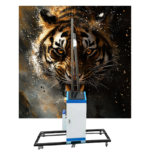
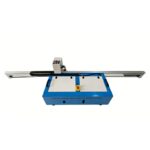
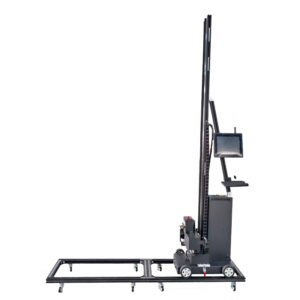
What Determines the Vertical Wall Printer Machine Price? Critical Factors Defining Machine Pricing The vertical wall printer machine price relies on several technical and practical aspects. Machine setup, printing pace, and ink method technology greatly shape the expense breakdown. For example, printers with dual Epson printheads (DX10/I1600) provide excellent printing accuracy and speed reaching 2880 dpi. This boosts their worth over simple setups. All items employ modern technology and top-notch parts. They ensure sharp, vibrant, and lasting printed images. They also offer great reliability and flexibility in tough settings. Higher-end versions give better results for printing on walls, glass, or tiles. Material strength also affects the price. Sturdy aluminum-alloy frames and collapsible rails boost ease of transport and durability. The new aluminum-alloy profile track is tough and easy to fold. These materials cut down on repair expenses in the long run. They add ongoing worth. Software fit is yet another vital element. Hanjie’s wall printers link with industrial PCs or laptops using Photoshop, BetterPrinter, and UltraPrint software for smooth vertical printing. This setup aids easy processes for wall printing design experts who need high-detail outputs. Upkeep needs can additionally shape costs. Devices with auto nozzle cleaning or low-ink alerts cut
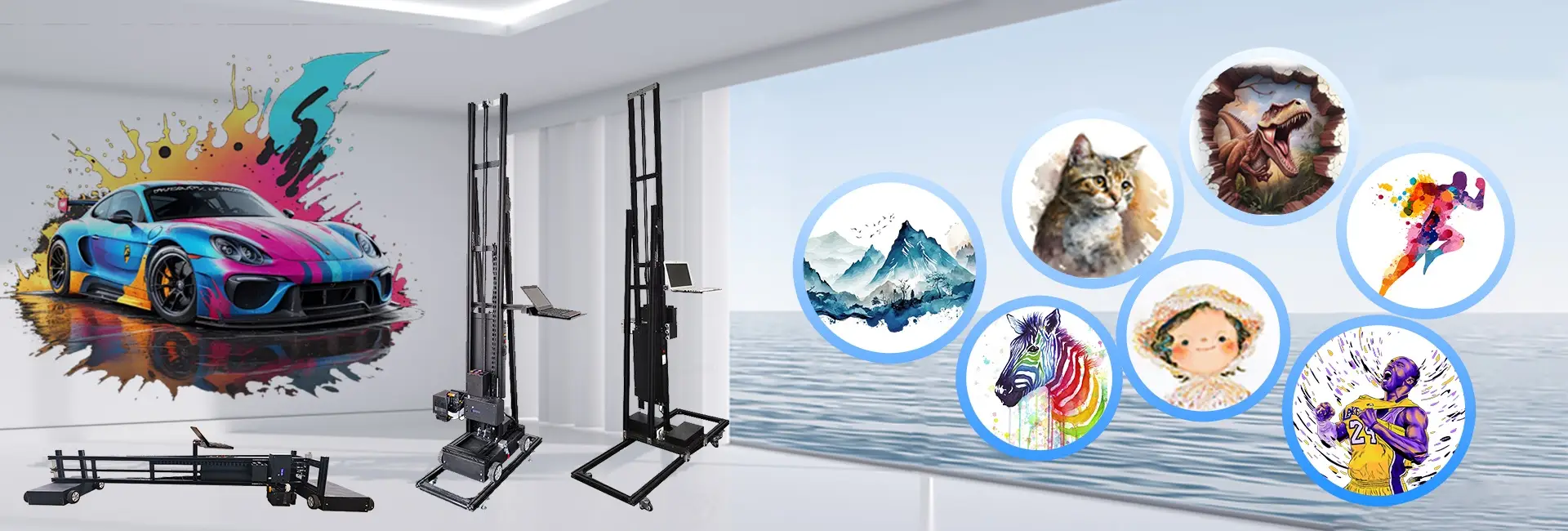
Key Elements That Shape the Price of Wall Printers for Sale What Are Wall Printers and How Do They Work? Wall printers are sophisticated digital printing devices that apply images, patterns, or text straight onto upright surfaces. They employ specialized printheads to spray UV-curable or eco-solvent inks in accurate layers. This creates high-definition graphics. Wall art printers rely on UV-curable inks and intelligent control systems to produce sharp designs on various surfaces. The technology allows large-scale printing on materials like plaster, brick, glass, metal, and wood. Vertical wall printers find broad use in home decoration, advertising, educational facilities, and commercial spaces. They enable wall printing design with accuracy that manual painting methods cannot match. Wall printers produce effects like 3D visual relief textures. These are difficult to achieve by hand. Why Do Wall Printer Prices Vary So Widely? The price range of wall printers for sale hinges on several technological and market factors. Variations in printhead types, resolution capability, machine size, and automation degree greatly affect the cost. Market demand also influences prices. For instance, areas with expanding mural or décor industries often see higher costs because of import duties and shipping expenses. Customization choices like adjustable track length, various
Factors That Lead to Inconsistent Color Quality in a Wall Printer Vertical What Causes Uneven Color Output During Vertical Printing? When doing printing on walls, one of the most frequent problems faced is uneven color quality. Changes in ink flow or pressure can create irregular tones. This happens particularly when the ink delivery system lacks proper balance. Outside factors like humidity and temperature shifts also impact pigment stability. As a result, they can produce muted or overly intense spots within the same wall printing design. Rough wall textures, such as plaster or brick, might take in ink at different rates. This leads to spotty outcomes. Our machines rely on UV ink for quick curing. They work well on various surface types, including walls, glass, tiles, metal, and wood. Thus, even if different wall surfaces absorb ink in varied ways, the UV-curable formula provides greater uniformity than old solvent-based inks. Still, if surface preparation is inadequate or moisture stays trapped in the wall, even modern UV printing might display minor tone differences. The Impact of Printer Calibration and Settings Printer calibration is key to keeping steady hues and saturation during vertical wall printing. Wrong calibration can lead to mismatched tones between
What Makes a Wall Printer Machine Suitable for Custom Surface Applications? How Do Wall Printer Machines Work on Different Surfaces? Contemporary wall printer machines are built to manage various materials. This makes them perfect for tailored surface tasks. The heart of this flexibility comes from upright printing methods. These methods permit printing on walls constructed from plaster, concrete, or wood. We employ a highly robust UV ink. It hardens right away beneath the built-in UV curing lamp. And it works well on nearly every material surface. So, plaster, wallpaper, wood, brick, and numerous other materials can be printed without issues. This approach guarantees that printing on wall surfaces with varied makeup keeps strong image quality. The inkjet setup plays an essential part in adjusting to diverse textures. UV-curable ink in machine-printed murals hardens quickly under UV light. It solidifies at once after printing. This forms a layer with great coverage. The process does not rely on the wall’s surface texture. This quick hardening stops smearing. It also boosts sticking even on absorbent or shiny surfaces. Things like porosity and color affect how inks stick. Thus, printers with modern calibration software automatically tweak color strength to fit the base material’s traits.
Essential Steps for Preparing to Use a UV Wall Printer What Are the Initial Setup Requirements for a UV Wall Printer? Before running a UV wall printer, you need to ready the workspace carefully. First, pick a good spot with plenty of room for the machine’s rails and motion. The space must offer good airflow to clear out any small vapors produced while printing. A reliable electricity source is vital. Most UV wall printers run on 110V–220V, matching typical power setups. Workers should also gather safety gear like safety glasses and hand coverings to avoid contact with UV rays or ink substances during use. How to Properly Install and Calibrate the Printer? Correct setup guarantees steady print results and safeguards the printer’s parts. Stick closely to the maker’s directions when putting together the printer pieces. This includes fitting the rails and fastening the printhead holder. Setup and takedown are quite straightforward. The user-friendly design lets parts come apart easily and fit into a carry bag. The whole setup process is straightforward and takes only about 10 minutes. After putting it together, calibration matters a lot for precise wall printing placement. Many current wall printer devices rely on laser guidance systems
Factors Influencing Wall Mural Printer Machine Price What Are the Key Components That Determine Pricing? The wall mural printer machine price relies on various main elements. It starts with the materials applied in building the device. Units made from top-quality aluminum alloy or sturdy industrial steel frames usually cost extra. Yet, they provide better strength and steadiness. Technology setup forms another vital aspect that shapes wall printer machine cost. Options like paired Epson printheads that reach up to 2880 DPI sharpness add a lot to the price. Laser guidance systems and self-adjusting height detection also play a big role. The Epson I1600 shows how cutting-edge printhead tech delivers fine accuracy and sustained output. Production methods hold an essential part too. All machines undergo various testing procedures by skilled workers before delivery. This ensures they arrive in fine shape for customers. These steps secure product uniformity and client contentment. However, they naturally boost making costs. Those costs show up in the final wall printing machine price. How Does Build Quality Affect Price? Build quality links straight to both output and expense. Top-notch materials boost toughness and cut down shaking during printing. As a result, this leads to clearer images. Exact engineering
Technical Complexities of 3D Vertical Wall Printers How Do 3D Vertical Wall Printers Work? 3D vertical wall printers are sophisticated digital inkjet devices built to print straight onto walls. They produce detailed images and murals. These wall art printers rely on UV-curable inks and clever control systems to form sharp designs on various surfaces. Hardware setup is just as vital for these machines. The control system includes an industrial PC or laptop, plus Photoshop, BetterPrinter, and UltraPrint software. Newer printers feature laser positioning systems. They also use electric lift mechanisms for printheads and ultrasonic sensors. These help keep the right distance from rough surfaces. Our wall printers apply laser positioning and electric lifting for printheads. This allows accurate wall printing on mildly uneven areas without distortion. Hand painting often fails here. Thus, this setup provides exact alignment. It also ensures steady ink spread over tricky wall textures. What Are the Current Limitations in Precision and Accuracy? Even with their advanced tech, 3D vertical wall printers encounter issues in keeping precision in different settings. Alignment mistakes can happen if calibration goes wrong. Or, factors like humidity might affect ink curing. Advanced sensors help, but warped or absorbent surfaces can still twist
Exploring the Impact of 3D Wall Printer Price on Creative Scalability How Does the Cost of a 3D Wall Printer Affect Artistic Innovation? The price of a 3D wall printer greatly shapes how artists and companies expand their imagination. Buying cutting-edge printing gear can boost creative production a lot. It enables exactness, quickness, and flexibility. Wall art printers rely on UV-curable inks and clever control setups to produce sharp designs on various surfaces. Thus, even with steeper prices, the payoff usually shows up in better artistic outcomes and smoother operations. Yet, tight budgets can restrict trials. Artists unable to buy top models might struggle with big-scale or multi-material work. Here, weighing expense against future earnings is key—particularly for those building art into commercial efforts. The proper buy not only delivers excellence but also lasting gains through lower upkeep and supply expenses. Is Expensive Always Better? Evaluating Cost vs. Quality Though premium 3D wall printers typically feature top-notch parts and fresh capabilities, a bigger price label does not always mean superior performance. For example, our Hanjie HJ-725 model includes twin Epson printheads. These provide up to 2880 DPI sharpness at a reasonable cost, suiting experts who want both value and excellence.
Key Features of Wall Art Printers in 2026 What Makes Wall Art Printers Stand Out? Wall art printers have developed into robust digital devices that transform how designs appear on surfaces. Their sophisticated printing methods produce high-quality images that match classic artwork. This accuracy delivers clear images with subtle details. Such precision aids both creative and business projects that need complex details and bright color replication. Flexibility stands out as another key trait. These printers work on walls, glass, tiles, metal, and wood. They keep steady performance and exact image placement systems. Whether for home decoration or company branding, these devices adjust well to different materials. User-friendliness has grown in importance too. Software setup and adjustment happen before the factory ships the unit. Once the machine arrives and you put it together, simply load pictures into the software to begin printing. Touchscreen controls and automatic adjustment features let even novices produce expert outcomes fast. Technological Innovations Enhancing Wall Art Printing AI-powered software now allows automatic picture improvement and instant color fixes. This keeps every mural or graphic with even shades over big areas. Wireless links enable distant control. Operators can manage printing jobs from phones or tablets. Green printing gains
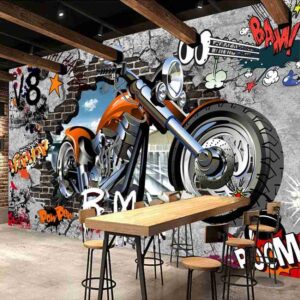
The Role of Vertical Wall Printers in Modern Advertising What Are Vertical Wall Printers? Vertical wall printers are sophisticated digital printing devices that apply high-quality images straight onto walls, glass, metal, or concrete surfaces. These wall art printers employ UV-curable inks and intelligent control systems to produce clear designs on various surfaces. Unlike old-school printing approaches that depend on banners, posters, or vinyl wraps, vertical wall printers spray ink directly onto the wall through exact nozzles controlled by computer programs. This method skips manual painting and guarantees precise copying of digital artwork. Old printing methods usually involve several stages, such as preparing the surface, applying adhesive, and adding lamination after installation. In comparison, a vertical wall printer like our Hanjie HJ series combines automatic calibration, laser positioning, and UV curing technology to provide quick outcomes. UV lamps allow immediate drying of the printed patterns. As a result, businesses can create bright visuals without waiting for paint to dry or handling setup mistakes. The advantages for advertising are substantial. Vertical wall printers allow big graphics with precise color sharpness and strong durability. UV inks make prints water-resistant, fade-proof, and tough, lasting outdoors for 3-5 years and indoors for 15-20 years. They