






What Are the Key Troubleshooting Techniques Used by Wall Printer Manufacturers?
Introducing Wall Printers and Their Manufacturers What is a Wall Printer and How Does It Work? Wall printers mark a fresh phase in digital printing tech. They allow direct image placement on upright surfaces like plaster, concrete, wood, or glass. These devices rely on UV-curable inks and exact control setups to produce sharp designs that last well and look impressive. Wall art printers employ UV-curable inks and clever control systems to generate high-resolution designs on surfaces. The core tech in wall printers features laser positioning systems, electric lift setups for printheads, and ultrasonic sensors. These sensors automatically sense wall distance to guarantee steady quality. Our wall printers utilize laser positioning and printheads’ electric lifting. This enables accurate printing on mildly rough surfaces without twisting—unlike hand painting, which often falters here. Such advanced elements let wall printers create 3D or 5D relief effects that copy texture and depth. Traditional mural painting depends on manual expertise and long drying periods. In contrast, UV-curable inks harden right away under built-in UV lamps. This forms water-resistant and color-fast layers. Who Are the Leading Wall Printer Manufacturers in the Wall Printer Industry? Among worldwide wall printer makers, Hanjie emerges as a trailblazer in digital printing options. Hanjie concentrates on digital printing. Over many years of effort, it has gained solid industry know-how. The company dedicates itself to offering clients fresh wall printing fixes. Our lineup covers the HJ-725 advertising decoration 3D wall printer and the HJ-928 vertical 3D wall art printer. Both aim for top-tier results in various uses. We lead as mural printer producers, reshaping wall art. Our mural printer unlocks profit paths for you. Use it to build wealth. As a reliable wall printer manufacturer, we stress tech accuracy, sturdiness, and simple handling. Our units printheads reach up to 2880 DPI sharpness for fine outcomes. At the same time, they keep ink use low. The skills of makers like Hanjie shape product excellence. This happens through strong R&D efforts, tough quality checks, and complete tech aid. Key Troubleshooting Techniques for Wall Printers How Do Wall Printer Manufacturers Address Common Printing Errors? Misalignment in printing ranks as a top issue for users. To fix it, calibration with laser positioning systems keeps images straight on bumpy surfaces. If the printed image is fuzzy or shifted, verify that the print head sits 3–5mm from the wall. Then, recalibrate the laser positioning. For uneven color results or dull shades, makers suggest nozzle cleaning with special fluids at least twice weekly. This preserves best ink flow. Color problems may arise from blocked printheads or air pockets in ink lines. Here, users need to empty ink with absorbers or restart the system per maker advice. If the printhead is clogged, cover the printhead with a damp tissue and cleaning solution. What Steps Are Taken to Ensure Printer Calibration? Keeping exact calibration matters greatly for clear output in wall printing tasks. Standard upkeep plans involve inspecting printhead distance, confirming track straightness, and checking ink thickness levels. Our expert group holds deep field insight. It delivers full aid…
Why Do Substrate Materials Matter in 3D Wall Printing Accuracy?
In today’s decorative and business projects, wall printing stands out as a top choice for making big murals, brand visuals, and custom interiors. As wall printer machine 3d wall technology improves, print quality—how closely the output matches the original design—has turned into a vital measure of success. One major but frequently overlooked element that impacts this quality is the substrate material. Walls differ a lot in texture, porosity, flatness, and absorbency. These traits directly shape how ink acts on the surface. They also affect how clear details look and how well the printed image holds up over time. For creating high-resolution graphics or complex 3d printed wall art, it’s crucial to grasp how substrate materials work with wall printer machine 3d wall setups. This knowledge helps deliver pro-level outcomes. What Is a Wall Printer Machine 3D Wall System and How Does It Interact with Surfaces? What Defines a Wall Printer Machine 3D Wall in Practical Applications? A wall printer machine 3d wall system is a dedicated digital printing tool built to apply images straight onto upright surfaces. It differs from old-school painting or spraying techniques. Instead, it depends on exact mechanical motion, smart software guidance, and cutting-edge ink methods to produce steady, high-quality prints. The “3D” part in wall printer machine 3d wall doesn’t mean actual depth. Rather, it points to visual depth. By managing ink layers carefully, ensuring spot-on positioning, and rendering crisp edges, the system crafts images that feel deep, textured, and lifelike. This strength makes wall printer machines great for artistic murals and engaging indoor setups. How Does a Wall Printer Machine 3D Wall Adapt to Different Substrates? Wall printer machine 3d wall systems handle many kinds of wall materials. They employ laser guidance and sensors for distance to keep a steady space between the printhead and the surface. Then, software routines tweak ink flow and print routes according to the surface’s state. Such flexibility lets the printer keep image size and sharpness intact, even on walls that aren’t totally even. The blend of hardware accuracy and software smarts is what allows reliable wall printing on various substrates. What Types of Substrate Materials Are Common in 3D Wall Printing? Why Do Smooth Surfaces Produce Different Results Than Rough Surfaces? Smooth substrates like plastered walls, painted drywall, glass, or metal sheets usually yield the best print quality. Ink spreads out uniformly on them. This leads to clear edges, strong color vibrancy, and precise detail capture. For jobs needing photo-like sharpness or detailed designs, smooth surfaces work best. On these materials, wall printer machine 3d wall systems deliver even line work and lively hues with little tweaking. Thus, smooth surfaces suit business branding and upscale decor well. How Do Porous or Textured Materials Affect Output Fidelity? Porous or textured materials—think brick, concrete, cement, or wood—bring extra hurdles. These surfaces soak up ink at uneven speeds. That can blur edges or dull colors if handled poorly. Texture might also create tiny shifts in printhead spacing, harming detail crispness. Yet, current…
What Are the Structural Benefits of Using a Wall 3D Printing Machine?
Wall 3D Printing Machines What Is a Wall 3D Printing Machine and How Does It Work? A wall 3D printing machine is a sophisticated digital tool built to apply sharp images straight onto upright surfaces. Wall art printers rely on UV-curable inks and clever control setups to produce detailed patterns on various surfaces. These devices generally employ inkjet methods. In this process, printheads release tiny ink droplets with exact accuracy. 3D wall printing machines transform the way murals, patterns and textures get applied using cutting-edge tech. The device runs on a vertical rail setup. This lets it shift side to side and up and down over the wall. As a result, it covers areas smoothly without twisting the image. The 3D wall printing machine attaches to a dedicated vertical track system. That system enables smooth and precise movement along the wall. Software like Photoshop, UltraPrint and BetterPrinter handles the image. It manages colors, scales sizes accurately and carries out the printing. What Materials and Surfaces Are Compatible with Wall 3D Printers? Wall 3D printers work well with many different surfaces. For instance, plaster, wallpaper, wood, brick, latex paint, stone, clinker, plastic, metal, glass, most tiles and plenty of other materials print easily without issues. You might need to prep the surface first. This could mean dusting it off or making sure the ink sticks well. Structural Advantages of Using a Wall 3D Printing Machine How Does Wall 3D Printing Improve Structural Aesthetics? Wall 3D printing machines let you add complex designs right onto a building’s surface. This skips the usual decorative covers like wallpaper or vinyl. Our wall printers generate effects such as 3D/5D visual raised textures. These are tough to make by hand. Such features boost building looks by weaving art into the walls. Plus, the image merges with the surface. So, the finish looks smooth. It avoids problems like peeling or bubbling. Can Wall 3D Printing Enhance Durability and Maintenance Efficiency? Yes, it can. UV inks create prints that resist water, fading and wear. They hold up outdoors for 3-5 years. Indoors, they last 15-20 years. These traits offer better protection against sun, dampness and scratches than old mural methods. Also, printed areas clean up simply. They don’t soak up grime like painted walls or cloth hangings. With top-quality, green inks, these machines produce bright images. The results resist water, sun and damage. Cost-Efficiency and Operational Benefits How Can Wall 3D Printing Reduce Labor and Material Costs? Wall 3D printing cuts down on both labor and material spending a lot. The full process—from readying the image to the final print—happens automatically. Therefore, it speeds up completion and cuts mistakes. Ink use stays low too. It usually takes 6–10 ml per square meter. This makes it a budget-friendly choice for big printing tasks. Is Wall 3D Printing a Scalable Solution for Large Projects? Yes, it is. Wall printer machines suit jobs with several surfaces or repeated patterns. These devices make fast, exact prints with photo-quality results. They handle…
Stuck Between Wall Printing and Wallpaper? Here’s How to Choose
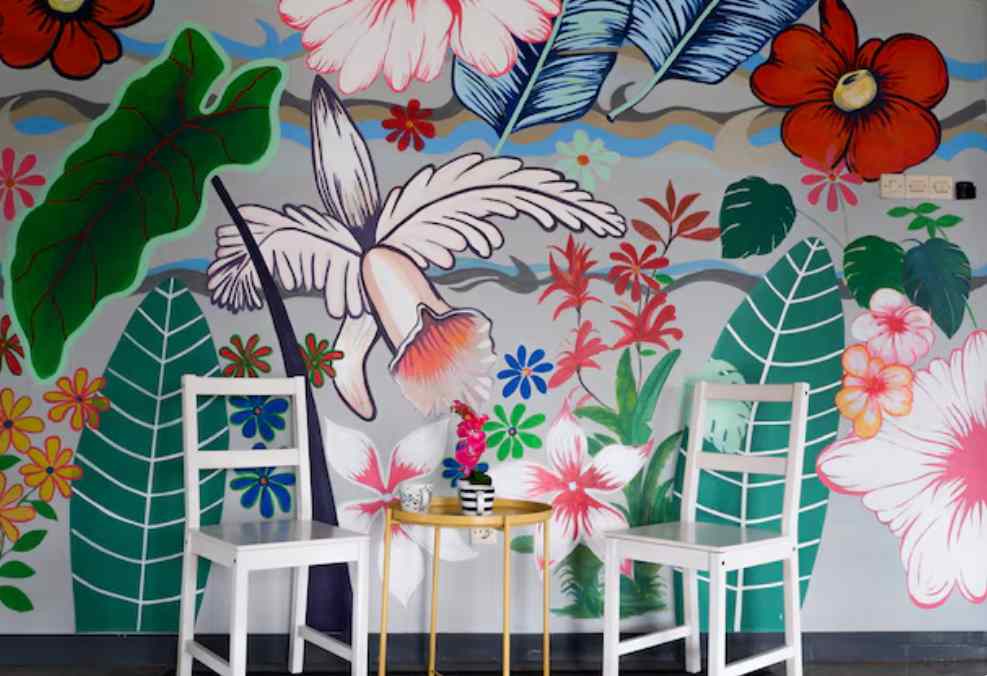
What Are Wall Printing and Wallpaper? What Is Wall Printing and How Does It Work? Wall printing is a current method that places high-quality images straight onto walls with special vertical inkjet equipment. These devices apply UV-curable inks that harden instantly under UV light for bright, lasting results. The wall printer machine works on many surfaces including concrete, wood, glass, metal and plaster. UV inks make prints waterproof, fade-resistant and durable. Unlike painted murals or wallpaper, wall printing needs no glue or waiting period. It provides a quick option for custom full-wall designs or 3D printed wall art. How Does Wallpaper Compare in Application and Material? Wallpaper has served as a common decoration choice for many years. It comes in pre-printed rolls that attach with glue or paste. Options include paper, vinyl and fabric types with various textures and finishes. Although it offers wide visual choices, wallpaper demands thorough wall preparation—cleaning, priming and sometimes smoothing. The job can take considerable time based on pattern matching and wall condition. Wallpaper also adapts less easily to curved areas or rough textures than wall printing. Comparing Aesthetics: Which Option Offers More Design Flexibility? Can Wall Printing Deliver Custom Designs with Greater Precision? Yes. A major benefit of wall printing lies in printing detailed, high-resolution images without repeats. Wall printers also produce 3D/5D relief textures difficult to create manually. This makes wall printing ideal for business locations or homes wanting standout customization. Is Wallpaper Better for Repeating Patterns and Traditional Interiors? Wallpaper fits classic decor and offers physical textures, physical sample books also help customers see the final look before buying. Wallpaper is suitable for smooth white walls, but it has no advantage on concrete or tile surfaces. Durability and Maintenance: Which One Lasts Longer Over Time? How Long Do Wall Prints Last Compared to Wallpaper? Wall prints show outstanding lifespan due to UV-curable inks that fight fading, water and scratches. UV inks make prints waterproof, fade-resistant and durable. These inks create a hard layer on the surface instead of soaking in like regular paint. Is Wallpaper More Prone to Peeling or Damage? Wallpaper proves less tough overall. In damp areas or with poor fitting, edges lift or bubbles form. Even strong vinyl types can curl at seams. Repairing only part of a wall often leaves visible marks. Installation Process: Which Is Easier for Homeowners or Professionals? What’s Involved in Installing a Wall Print? Setting up wall printing requires positioning the wall printer machine against a clean surface with power access. The device uses precision tools such as laser positioning system and printheads’ electric lift ensures accurate image alignment. No glue or drying period is needed. The job stays clean and finishes faster than papering. Does Wallpaper Installation Require More Preparation? Wallpaper fitting includes several stages—wall cleaning, primer or paste application, careful pattern matching—and may take hours or days for large areas. Errors in alignment often mean restarting sections or accepting clear joins. Cost Considerations: Which Option Is More Budget-Friendly in the…
Maximize Your Investment: Maintenance Tips for Your Vertical Wall Printer
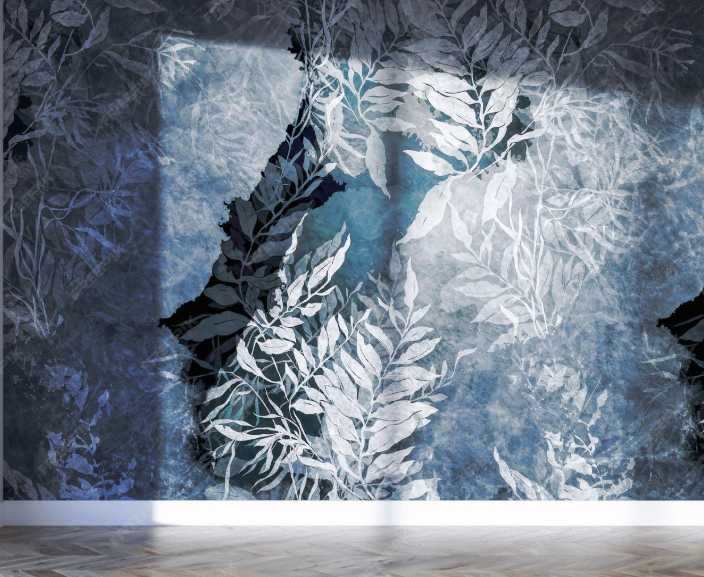
The Importance of Maintaining a Vertical Wall Printer Why Is Regular Maintenance Crucial for Your Vertical Wall Printer? A vertical wall printer is a high-tech digital tool built to produce sharp prints on many different surfaces. Like any precision machine, it needs steady care to stay reliable over the years. Routine upkeep lengthens the life of your equipment. It reduces wear on important parts like the printhead, encoder strip, and rail system. Our Epson I1600 printheads achieve up to 2880 dpi with a lifespan of 4000㎡, ensuring sharp images with fine details—a capability that relies on clean nozzles and proper ink flow. Steady care also keeps prints consistent, avoids sudden failures, and prevents delays on tight deadlines. What Are the Consequences of Poor Maintenance? Skipping maintenance creates real problems. Ink dries inside nozzles, colors look off, and prints lose sharpness. Dirt or misalignment causes uneven movement and can ruin the printhead. If the printhead is broken or the ink is unevenly discharged, use an ink absorber to re-drain the ink. Ignoring small issues quickly turns into expensive repairs and long periods with the machine down—problems you can easily prevent. Daily and Weekly Maintenance Best Practices What Should You Check Before Each Printing Session? Before starting any job, look over the main parts. Check the print head for dried ink or buildup that blocks the spray. Watch nozzle performance before printing. You need to absorb ink and measure the status of the printhead. Make sure ink levels are good and cartridges sit firmly. Inspect the rails for dust or anything that blocks smooth travel. Check whether the distance between the spray and the wall is 3-5mm and then enter the print location on BetterPrinter. Even small debris leads to jerky motion or crooked prints. Weekly Tasks to Keep Your Wall Printer in Optimal Condition Once a week, go deeper. Lubricate rails and lead screws with the recommended products. The printer is equipped with high precision ultrasonic sensor which can automatically detect the distance during printing. Proper lubrication keeps everything quiet and reduces stress. Run a nozzle test and sample print. This catches small problems before they ruin a big job. Monthly and Long-Term Maintenance Strategies How Can You Prepare Your Printer for Long-Term Use? Every month, run full system diagnostics with the built-in tools. Keep firmware current—updates often fix bugs and add features. Our machines operate on standard household AC voltage between 100 and 380V. Stable power protects the electronics. Storage Tips for Periods of Inactivity When the printer sits unused for over a week, flush the lines with cleaning solution to stop ink from hardening. When you’re not using your wall printer machine 3D head, soak a paper towel with cleaning fluid, cover the print head surface and put a lid on the print head cover. Keep the unit in a clean, climate-controlled space away from dust and sunlight. Use the protective caps on print heads. Common Issues and How to Troubleshoot Them Why Is My Vertical Wall…
Wall Printer Machine vs. Traditional Painting: Which is Better?
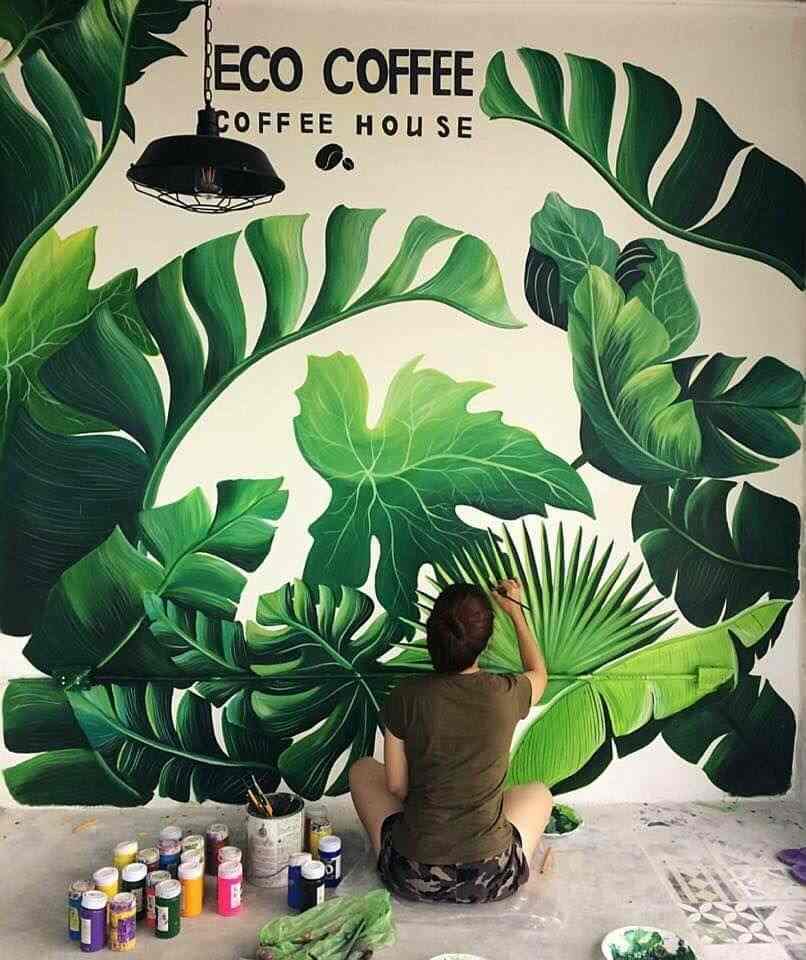
What Are the Key Differences Between a Wall Printer Machine and Traditional Painting? How Does a Wall Printer Machine Compare to Hand Painting? Traditional painting relies on people using brushes, rollers, or spray guns to put paint on walls. It takes a lot of time and skill to get good results, especially for detailed murals or fancy designs. On the other hand, a wall printer machine makes the process automatic. Wall printers for sale print high-resolution images right onto walls. They give consistent quality without human slip-ups. What Surfaces Can Each Method Work On? Hand painting is best for smooth surfaces like walls, plaster, wood, or canvas, which need to apply UV coating in advance. Tricky surfaces like glass or metal need special prep or might not work at all. Wall printers handle many surfaces, indoors or out. This makes our wall art printer great for all kinds of building and decorating projects. How Flexible Are Designs with Wall printers? Limits of Hand Painting Hand painting depends on the artist’s skill and time. Complex designs need stencils or extra layers, which means more work and time. Copying the same design in different spots is hard. Precision with Wall Printer Machines Wall printers are precise and fast. They get every detail right on the wall. With 3D/5D embossed effects, our 3d wall printer machine beats traditional methods for creativity. How Do Time and Labor Compare? Hand painting has many steps: sketching, base coating, adding details, drying and fixing mistakes. This can take days or weeks, depending on the job. A 3d wall printer machine speeds things up. It sets up in 10 minutes and needs just one person to run. This saves businesses time and labor costs while keeping high quality. Which Method Lasts Longer and Needs Less Upkeep? How Long Do Wall Printer Designs Last Compared to Painted Walls? Painted walls fade, chip, or discolor over time from sun, moisture, or wear, while wall printing can last outdoor 3-5 years and indoor 15-20 years. Are Printed Walls Tougher Against Weather? UV Resistance and Waterproof Features Unlike paints that fade in sunlight or peel in damp conditions, eco-friendly UV inks are made to last. Wear Over Time Painted walls often need touch-ups or repainting every few years. Wall printings are durable: its UV ink is UV-resistant and wear-resistant and can maintain its color even outdoors. Hand-painted murals take a long time to dry and are rarely used for large-scale wall paintings. Their pigments are absorbed into the wall surface, which relies on the wall’s texture. UV-curable ink used in machine-printed murals cures instantly under UV light. It cures immediately after printing, forming a film with excellent coverage, independent of the wall’s surface texture. Introducing Hanjie: A Leader in Wall Printing Technology Who Is Hanjie and Why Are Their Wall Printers Special? Zhengzhou Hanjie Intelligent Technology Co., Ltd. specializes in digital printing. With years of experience, we offer creative wall printing solutions. Our products fit everything from home décor to big commercial jobs. By 2025, Hanjie’s products have…
DIY Wall Printing: Easy Steps to Transform Your Walls
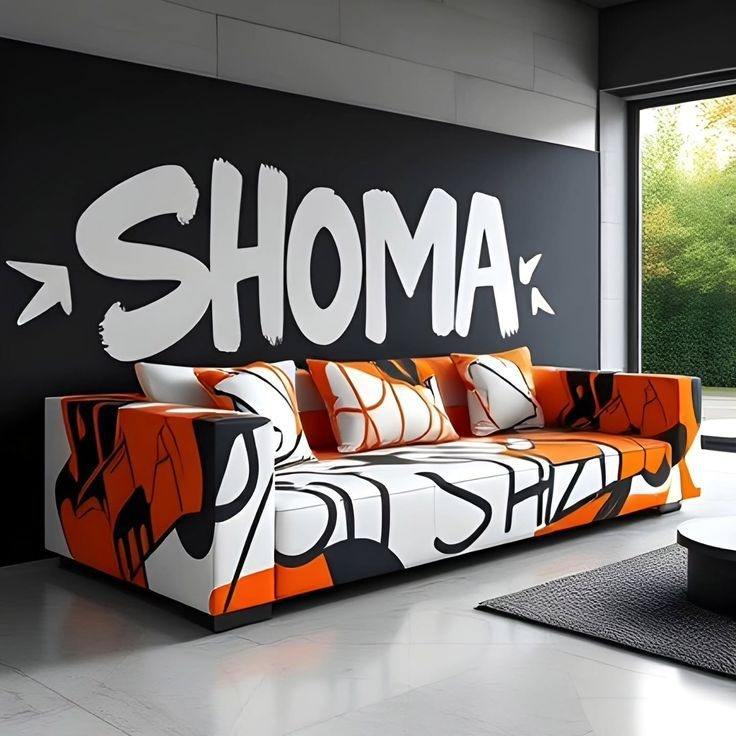
What Is Wall Printing and How Can It Transform Your Space? What Does Wall Printing Involve? Wall printing is an innovative technology that prints digital images directly onto walls or floors using specialized machines. These devices, often called wall art printers or 3D wall printer machines, use UV-curable inks and smart control systems to create high-resolution designs on surfaces like walls, floors, tiles, glass, wood and more. The process is fast, clean and turns plain surfaces into personalized artwork. Benefits of Wall Printing for Home and Office Interiors Wall printing has several perks compared to traditional decor methods. It allows complete customization, letting users print anything from family photos to company logos. Also, UV inks make prints waterproof, fade-resistant and durable, enabling them to last outdoor 3-5 years and indoor 15-20 years. This makes wall printing perfect for home spaces like living rooms or kids’ rooms, as well as business settings like offices or shops. How Is Wall Printing Different from Traditional Wall Art? Unlike hand-painted murals or wallpaper, which take time and effort, wall printing is quick and accurate. A 3D floor and wall printer can finish complex designs in hours with little human input. Plus, wall printers create effects like 3D/5D visual relief textures, which are hard to achieve by hand. Wall printing supports 3D/5D relief effect output, giving images a strong three-dimensional feel—a major difference from standard painting. Where to Print Wall Art? Can You Print Directly on the Wall at Home? Yes. With equipment like a wall printer portable or compact wall printer, homeowners can print directly on walls without hiring professionals. Options for Professional vs. DIY Wall Printing Professional services provide expertise and advanced tools for large or commercial projects. But DIY wall printing is now easier with user-friendly machines like our HJ-724 economic model. What Surfaces Are Suitable for Wall Printing? Wall printers work on many materials, including plastered walls, glass panels, ceramic tiles, metal sheets, wooden boards and acrylic surfaces. Proper surface prep ensures strong adhesion and clear prints, no matter the material. Hanjie and Its Innovative Wall Printer Technology Who Is Hanjie and What Do They Offer? At Hanjie, we focus on digital printing technologies with years of expertise. Our aim is to provide creative wall printing solutions for homes and large commercial projects. Zhengzhou Hanjie Intelligent Technology Co., Ltd. specializes in digital printing. After years of dedication, we’ve gained rich industry experience, committed to offering innovative wall printing solutions for clients. Our product lineup includes wall printers include HJ-928, HJ-725 and HJ-724, which let users explore creativity without needing technical skills. Key Features of Hanjie’s Wall Printer High-Resolution Printing Capabilities Our Epson I1600 printheads achieve up to 2880 dpi with a lifespan of 4000㎡, ensuring sharp images with fine details. All our products use cutting-edge technology and high quality components, delivering clear, vibrant and long-lasting images with excellent stability and adaptability to complex environments. They work on various surfaces like walls, glass, tiles, metal and wood. Compatibility with Various Surface Types Using UV ink technology and laser-guided positioning, our machines ensure consistent quality across different textures. Laser positioning system and electric…