



What Are Wall Printing and Wallpaper?
What Is Wall Printing and How Does It Work?
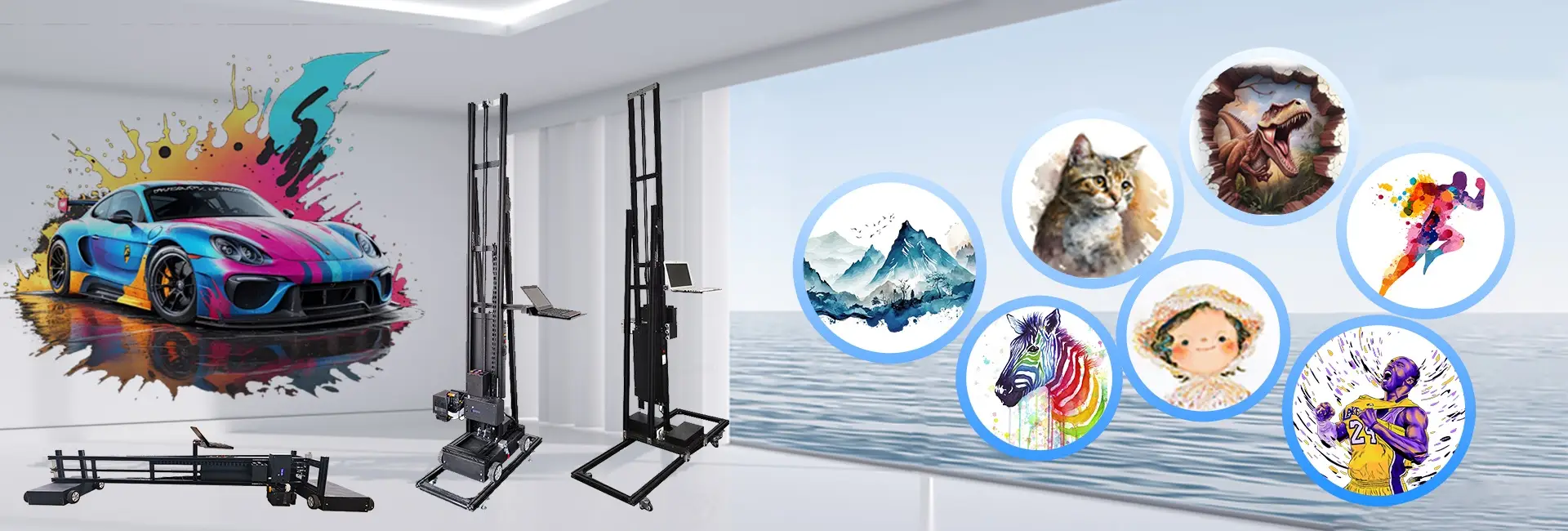
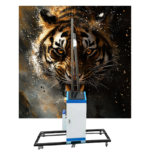
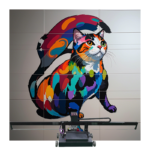
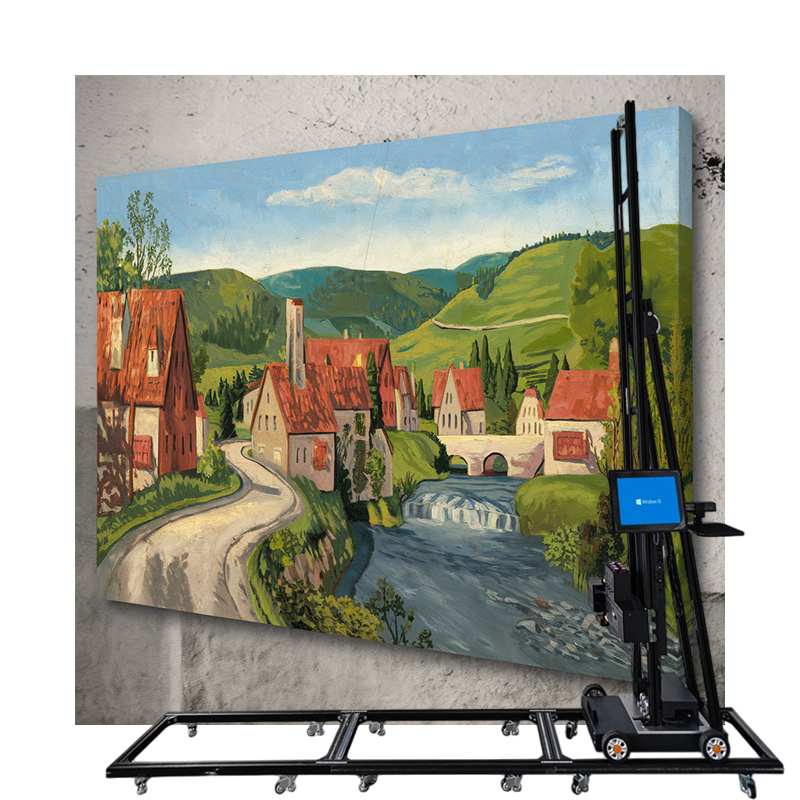
Wall printing is a current method that places high-quality images straight onto walls with special vertical inkjet equipment. These devices apply UV-curable inks that harden instantly under UV light for bright, lasting results.
The wall printer machine works on many surfaces including concrete, wood, glass, metal and plaster. UV inks make prints waterproof, fade-resistant and durable. Unlike painted murals or wallpaper, wall printing needs no glue or waiting period. It provides a quick option for custom full-wall designs or 3D printed wall art.
How Does Wallpaper Compare in Application and Material?
Wallpaper has served as a common decoration choice for many years. It comes in pre-printed rolls that attach with glue or paste. Options include paper, vinyl and fabric types with various textures and finishes. Although it offers wide visual choices, wallpaper demands thorough wall preparation—cleaning, priming and sometimes smoothing.
The job can take considerable time based on pattern matching and wall condition. Wallpaper also adapts less easily to curved areas or rough textures than wall printing.
Comparing Aesthetics: Which Option Offers More Design Flexibility?
Can Impressão na parede Deliver Custom Designs with Greater Precision?
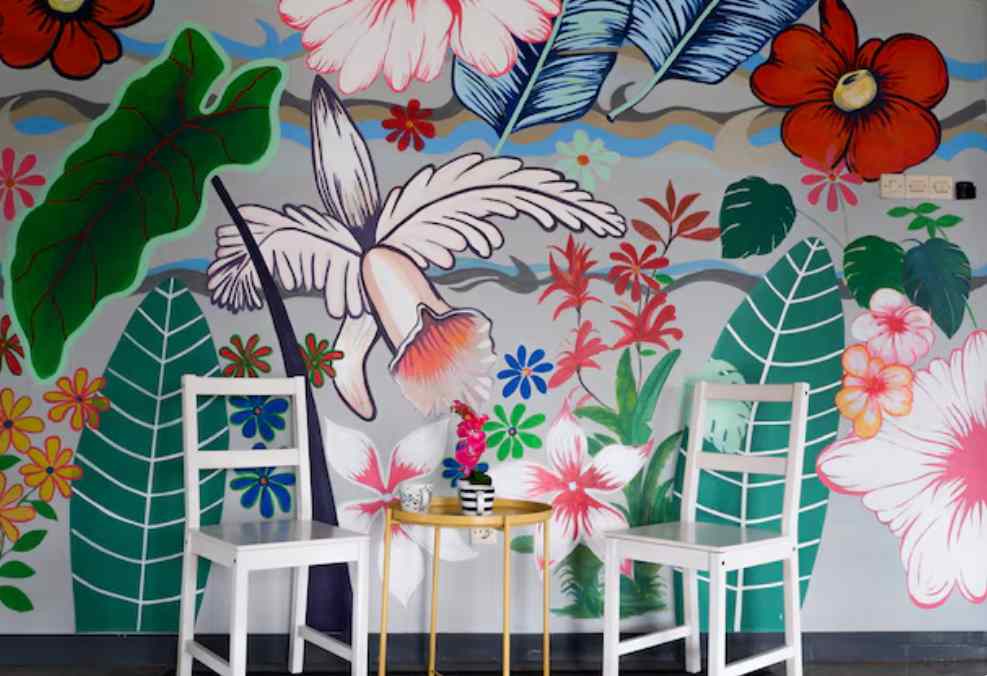
Yes. A major benefit of wall printing lies in printing detailed, high-resolution images without repeats.
Wall printers also produce 3D/5D relief textures difficult to create manually. This makes wall printing ideal for business locations or homes wanting standout customization.
Is Wallpaper Better for Repeating Patterns and Traditional Interiors?
Wallpaper fits classic decor and offers physical textures, physical sample books also help customers see the final look before buying. Wallpaper is suitable for smooth white walls, but it has no advantage on concrete or tile surfaces.
Durability and Maintenance: Which One Lasts Longer Over Time?
How Long Do Wall Prints Last Compared to Wallpaper?
Wall prints show outstanding lifespan due to UV-curable inks that fight fading, water and scratches. UV inks make prints waterproof, fade-resistant and durable. These inks create a hard layer on the surface instead of soaking in like regular paint.
Is Wallpaper More Prone to Peeling or Damage?
Wallpaper proves less tough overall. In damp areas or with poor fitting, edges lift or bubbles form. Even strong vinyl types can curl at seams. Repairing only part of a wall often leaves visible marks.
Installation Process: Which Is Easier for Homeowners or Professionals?
What’s Involved in Installing a Wall Print?
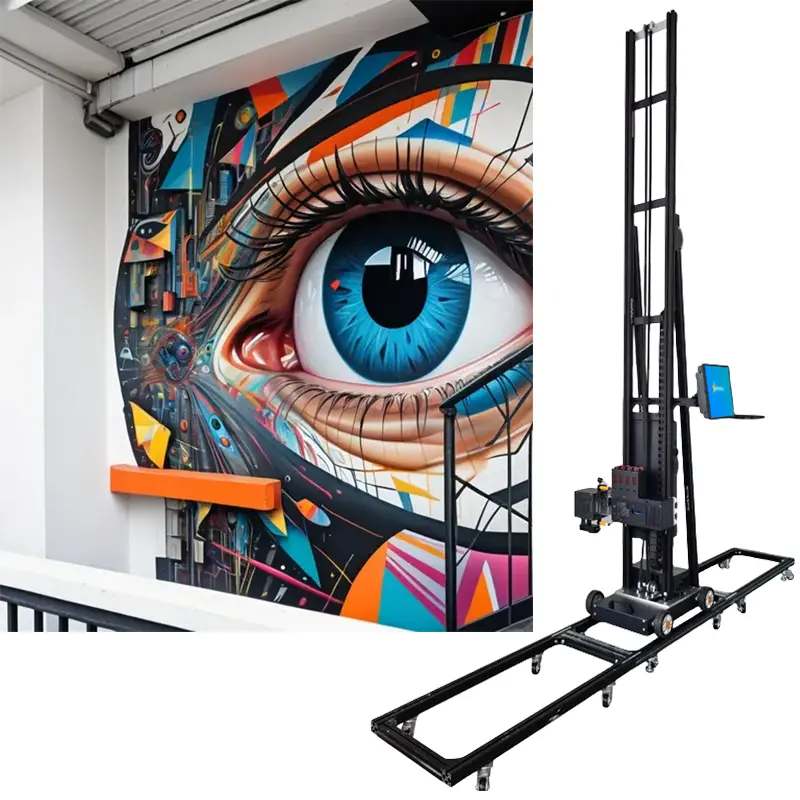
Setting up wall printing requires positioning the máquina impressora de parede against a clean surface with power access. The device uses precision tools such as laser positioning system and printheads’ electric lift ensures accurate image alignment. No glue or drying period is needed. The job stays clean and finishes faster than papering.
Does Wallpaper Installation Require More Preparation?
Wallpaper fitting includes several stages—wall cleaning, primer or paste application, careful pattern matching—and may take hours or days for large areas. Errors in alignment often mean restarting sections or accepting clear joins.
Cost Considerations: Which Option Is More Budget-Friendly in the Long Run?
Is Wall Printing Worth the Upfront Investment?
Wall printing carries higher starting costs for equipment and software yet saves money long-term through strength and low care needs. Our wall printer machine consumes only 6~10 ml of ink per square meter. This low consumption contributes to cost-efficiency over time—especially for commercial decorators or mural businesses.
Wall printing is generally more resistant to humidity due to its UV-cured inks that bond directly with the surface without peeling over time like wallpaper might in moist conditions.
Can Wallpaper Be a More Affordable Short-Term Solution?
Yes. Wallpaper costs less at first and comes in ready-to-use rolls from stores. However, frequent changes due to damage or style shifts raise total expense. Professional fitting labor also adds to the price.
Environmental Impact: Which Option Is More Sustainable?
Are Wall Prints Eco-Friendly Compared to Traditional Wallpapers?
UV ink is a solvent-free ink that does not contain a large amount of volatile organic compounds (VOCs) like traditional solvent-based inks, so it is less harmful to air pollution and human health. Additionally, no waste from paper rolls or adhesives during application further contributes to its eco-friendliness.
How Sustainable Are Modern Wallpapers?
Some wallpapers use recycled content and water-based inks; however, installation glues can still release VOCs. Removing old wallpaper creates more trash than direct printing.
Where Does Each Option Work Best in Interior Spaces?
Should You Choose Wall Printing for Commercial Spaces or Homes?
Wall printing fits both home and business settings—from kids’ rooms and accent walls to shops and offices. It handles pillars, curves, or glass dividers. It serves as a strong choice for custom visuals or 3D printed wall art.
When Is Wallpaper the Right Choice for Your Interior Style?
Wallpaper works well in classic rooms like dining spaces or bedrooms where texture and repeating motifs matter. Its thickness also hides small wall flaws.
Introducing Hanjie’s Wall Printer: A Modern Solution for Custom Interiors
What Makes Hanjie’s Wall Printer Stand Out in the Market?
We at Hanjie supply a full range of high quality wall printer solutions for professionals and homeowners. Our HJ Series machines—including models like the HJ-928 and HJ-426—feature dual Epson printheads (DX10/I1600), high printing precision and high speed up to 2880 dpi. Our machines’ modular design allows heights up to 3.5 meters with unlimited width using extendable tracks.
They work on various surfaces—plaster walls, tiles, wood panels—and utilize CMYK+W five-color UV ink for vibrant images that dry instantly.
How Can Hanjie’s Technology Enhance Your Interior Projects?
With our advanced control systems (Photoshop + BetterPrinter + UltraPrint), you can customize designs in real-time without outsourcing. Our printers also support 3D/5D relief effects for standout visuals. Enables real-time customization of murals without outsourcing print jobs.
By eliminating wallpaper rolls and adhesive waste, our printers promote sustainability while maximizing creative freedom. Whether you’re working on home renovations or large-scale commercial walls, we offer scalable solutions with lifetime technical support and software upgrades.
FAQ
Q: Can I remove a wall print if I want to change the design later?
A: Yes — while wall prints are designed to be long-lasting, they can be painted over using standard interior paint if you wish to redecorate.
Q: Does wall printing work on textured walls?
A: Wall printing works best on smooth surfaces; however, some printers can handle light textures if properly calibrated during setup.
Q: Which is better for humid environments like bathrooms — wallpaper or wall printing?
A: Wall printing is generally more resistant to humidity due to its UV-cured inks that bond directly with the surface without peeling over time like wallpaper might in moist conditions.