الصفحة الرئيسية » الأخبار » صفحة 2
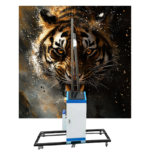
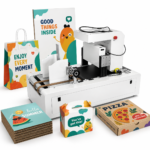
Factors to Evaluate Before Purchasing a Wall Printer Machine What Makes a Wall Printer a Valuable Investment for Businesses? A wall printer is a fresh digital printing device. It allows direct printing on vertical surfaces. This turns plain walls into bright canvases. The setup opens up creative and commercial chances. Businesses can now make custom murals, signs, and decorative art. They do so with solid precision. Interior decorators, advertising agencies, and design studios gain from this. They offer visual results that old painting ways cannot match. Wall art printers rely on UV-curable inks and smart control systems. They build high-resolution designs on surfaces. These printers cut down on manual work. They also boost accuracy and consistency. That matters a lot for big projects. For those exploring the 3D wall printing machine business or seeking the best wall printers 2026, this gear lifts output and profit. It does so via automation and with less need for skilled painters. Assessing Your Business Needs and Printing Goals Before buying a wall printer machine, check your exact business needs. Decide if projects are mostly indoor or outdoor. Ink type and durability change with that. UV inks make prints waterproof and fade-resistant. They stay strong
Overview of the Wall Printer Industry in China Why Has China Become a Hub for Wall Printer Manufacturing? China leads the wall printer industry thanks to its strong manufacturing base and solid output speed. Local factory groups give easy access to materials, parts, and trained workers. This setup cuts costs in a clear way. Good prices draw buyers from many countries who want solid wall printer options that still fit their budgets. China also keeps export rules simple and runs smooth shipping routes. These points help makers send goods to buyers around the world. Because of this, more firms now pick their best wall printers 2026 models from Chinese makers for both price and steady performance. What Makes Wall Printers Popular in Global Markets? Wall printer units change how people handle decoration and ads. They print straight onto upright surfaces with good accuracy. Teams use them for room design, shop signs, and art pieces. The machines handle fine patterns and textures in less time. UV inks help the prints stay dry, hold color, and last longer both inside and outside. Printhead upgrades, such as common printheads in vertical wall printers 2026 like Epson DX10 or I1600, raise speed, detail, and
What Makes a Wall Printer Machine an Appealing Startup Investment in 2026? Why Are Entrepreneurs Considering Wall Printing as a Business Opportunity? The year 2026 looks set to become an important time for creative and technology-driven startups. Entrepreneurs feel drawn to the wall printing machine industry. It brings together artistic freedom with digital precision. Demand keeps growing for personalized interiors. This covers everything from gallery wall prints to 3D printed wall decor. Modern consumers want unique visuals. These visuals turn plain walls into immersive spaces. That makes services such as 3D UV wall printing very popular right now. Low competition adds to the appeal. Unlike traditional mural painting or vinyl decals, UV wall printers place high-resolution images straight onto surfaces. They skip heavy manual work and long drying periods. The option to run mobile services helps too. Operators can print right at the client site. This flexibility suits both home and business customers who need custom wall prints for living rooms or branded murals. How Does the Market Outlook for Wall Printing Look in 2026? Digital decoration tools continue to gain ground across many fields. Hotels, restaurants, and offices now choose 3D print wall art to improve their spaces with
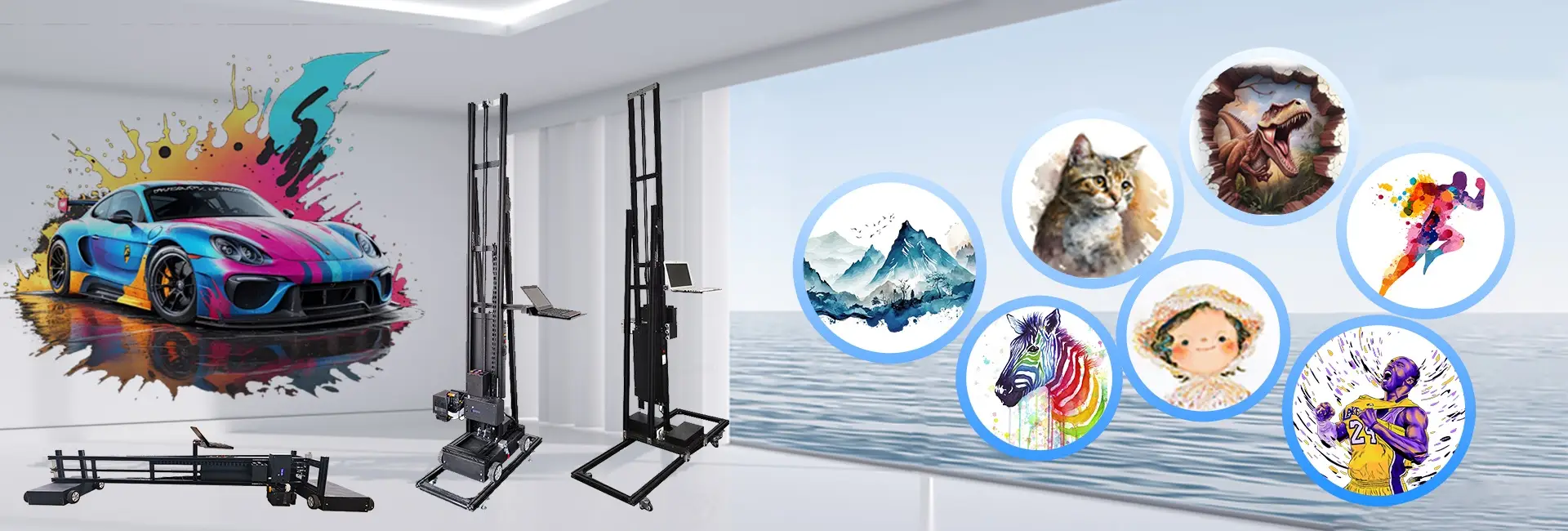
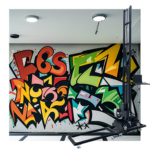
What Is 3D Wall Printing and Why Is It Gaining Popularity? The Concept of 3D Wall Printing 3D wall printing is an innovative technology. It lets digital designs go straight onto vertical surfaces. This happens with a specialized wall printing machine. Wall art printers rely on UV-curable inks and smart control systems. They produce high-resolution designs on many surfaces. The outcome gives strong, bright, and clear images. These images turn any wall into art. The method works on plaster, brick, tile, wood, glass, or metal. It fits both indoor and outdoor uses. Unlike old painting or wallpapering, 3D wall printing gives exact results. It needs little manual work yet keeps a high artistic quality. Why Are Businesses and Homeowners Turning to 3D Wall Printing? Businesses and homeowners like 3D wall printing more and more. It gives a fresh choice over common decoration ways. The method brings quicker production with less labor. Users finish projects in a smooth way. Custom designs also draw clients who want personal décor. Gallery wall prints work well in offices. Wall prints for living room spaces suit homes. This technology opens many creative options. Demand for 3d printed wall decor and 3d print wall art keeps
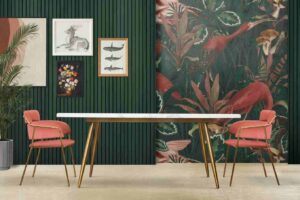
Comparing Wall Printer and Traditional Wall Art Prints What Makes Wall Printer Different from Traditional Prints? Wall printing has changed the way we decorate indoor areas. It differs from usual wall art prints, which rely on items like canvas, paper, or vinyl. Wall printers apply images right onto upright surfaces without any gaps. They employ UV-curable inks and clever control setups to produce clear designs on various walls. This direct method makes the artwork blend into the wall. As a result, it looks more unified than framed or attached standard prints. Usual prints need mounting or framing. That adds extra expense and time for setup. The key variation is in the process. Wall printers put artwork directly on the surface with UV ink curing tech. Traditional ways print on separate bases first, then install them. For people checking wall printing ideas in homes or offices, this approach gives great flexibility and fresh ideas for printing on the wall. How Do Materials Influence the Final Artwork Appearance? The type of material greatly shapes how colors and textures show up in wall printing and standard art prints. Direct wall printing mixes ink with the wall surface. It creates a smooth, natural look.
Factors That Influence Pricing in Commercial Wall Graphics Printing What Determines the Cost of a Wall Graphics Printing Project? Commercial wall graphics printing includes various cost elements. These elements directly affect project pricing. The choice of materials shapes both strength and affordability. Premium vinyl or rough substrates usually raise costs. However, they boost visual charm and lasting power. Printing methods and ink varieties also matter a lot. For example, UV-curable inks deliver bright hues and quick output speeds. They cut down drying periods. UV inks make prints water-resistant, color-stable, and tough. They can endure outdoors for 3-5 years. Indoors, they last 15-20 years. Design intricacy influences preparation time. Large images or designs with many shades need better adjustments and sharper outputs. Installation expenses change based on wall roughness, height, and reach. Smooth drywall setups prove easier. In contrast, brick or concrete walls require extra prep work. Evaluating Fixed and Variable Costs Fixed costs in wall printing jobs cover spending on gear like printers, program licenses, and area upkeep. Variable costs include supplies such as ink, bases, and worker rates per hour. Our machine uses just 6~10 ml of ink per square meter. Knowing how these costs connect aids firms in
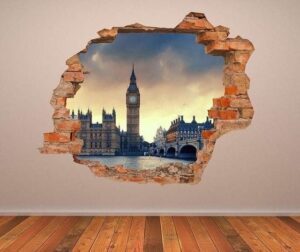
Global Market Outlook for Wall Printing Machines in 2026 How Is the Wall Printer Machine Market Expected to Evolve by 2026? The global wall printer machine market should see strong expansion by 2026. This growth comes from the growing need for custom and large-sized wall decorations. People now prefer extra-large photo prints for walls, cheetah print wallpaper, and gallery wall prints in today’s home styles. The tech allows for tough, clear pictures on many kinds of surfaces. As a result, it has become a top pick in homes, offices, and factories. New uses in home styling, ads, and building work are boosting its popularity. Companies use these devices for signs and brand displays. Homeowners want special wall prints for the living room or 3D print wall art that shows their own style. Better tech in exact printing and ink types is improving the results. Regional Growth Patterns and Emerging Markets The Asia-Pacific area is seeing quick uptake because of city growth and more love for fun home decor ideas. Nations such as China, India, and South Korea are turning into key spots for wall printing advances. North America and Europe keep up solid progress via business uses like store branding
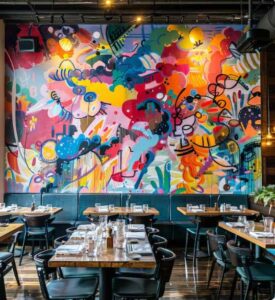
Exploring the Potential of Wall Printing in Local Markets What Makes Wall Printing an Appealing Business Opportunity? Wall printing has become a fresh and inventive option compared to old-fashioned murals and signs. It blends imagination with cutting-edge printing tools. This lets business owners create sharp designs right on upright walls. Such a setup draws in people who enjoy art, tech, and starting ventures all in one package. The rising demand for custom home setups—like gallery wall prints or wall prints for the living room—has sparked strong interest in wall printing services. Wall art printers rely on UV-curable inks and clever control setups to make clear designs on various surfaces. These devices can copy 3D print wall art or print on-demand wall art with exactness and speed. As a result, they suit both home decoration and business branding tasks well. The green qualities of UV inks add to their draw. These inks lack solvents and have few volatile organic compounds (VOCs). So, they attract buyers who care about the environment. How Does the Local Market Influence Success? The outcome of a wall printing business hinges a lot on the nearby population traits and financial situations. Places with more people packed in
Exploring the Potential of a Wall Printing Business What Makes Wall Printing an Appealing Business Opportunity? Wall printing has grown into a fairly inviting business approach for business starters hunting for fresh and profitable projects. The steady rise in the need for made-to-order inside and outside wall pieces has moved this area forward. Clients hunt for novel paths to display their flair in residences, work areas, and shared spaces. Choices go from home wall paintings to trademarking, and the uses stay broad while steadily widening. This area gains too from its straightforward access. When set against classic painting or wide-format printing operations, kicking off a wall printing outfit calls for a lesser upfront spend. At the same time, it holds solid profit room. Business starters can run with tidy gear that yields expert-level work. They skip the call for broad art lessons. Such a blend of cheapness and invention positions wall printing as one of the top small business picks in the decor and promo fields. Market Trends Driving the Popularity of Wall Printer Machines A handful of main shifts are powering the rise of wall printer machines. One key point is the growing pull toward custom and 3D wall
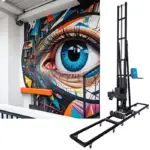
Exploring the Potential of a 3D Vertical Wall Printer Business in 2026 What Makes 3D Vertical Wall Printing a Profitable Venture? Worldwide demand for custom artwork and decorations grows quickly. People want special visual setups in their homes, workplaces, and public areas. The 3D vertical wall printer industry taps into this need. It allows direct digital prints on walls. This method works better than old-school painting or wallpapering. Business owners like this field because startup expenses stay fairly low, and labor demands remain small. Projects finish in short times. Traditional mural work calls for artistic talent and long drying periods. But UV-curable printing tech lets prints cure right away. It also creates waterproof finishes. UV-curable ink in machine-printed murals hardens instantly under UV light. The ink forms a solid layer with good coverage. This happens regardless of the wall’s texture. Plus, this business reaches various groups. It includes interior design teams, ad firms, building companies, and schools that need fun wall images. Our devices have a modular build. They reach heights up to 3.5 meters. Widths go unlimited with extendable rails. Such adaptability means workers can tackle jobs of any scale or difficulty. Market Trends Driving the Popularity of Wall