





Exploring the Potential of Wall Printing in Local Markets
What Makes Wall Printing an Appealing Business Opportunity?
Wall printing has become a fresh and inventive option compared to old-fashioned murals and signs. It blends imagination with cutting-edge printing tools. This lets business owners create sharp designs right on upright walls. Such a setup draws in people who enjoy art, tech, and starting ventures all in one package. The rising demand for custom home setups—like gallery wall prints or wall prints for the living room—has sparked strong interest in wall printing services.
Wall art printers rely on UV-curable inks and clever control setups to make clear designs on various surfaces. These devices can copy 3D print wall art or print on-demand wall art with exactness and speed. As a result, they suit both home decoration and business branding tasks well. The green qualities of UV inks add to their draw. These inks lack solvents and have few volatile organic compounds (VOCs). So, they attract buyers who care about the environment.
How Does the Local Market Influence Success?
The outcome of a wall printing business hinges a lot on the nearby population traits and financial situations. Places with more people packed in or lively business spots provide bigger audiences. Local style choices shape the main trends—such as simple botanical prints, wall art, or old-style vintage prints. Money factors in the area affect how to set prices. Wealthy spots might back high-end custom murals. In contrast, smaller communities often go for budget-friendly decor fixes. Business starters need to tweak their products to fit group likes and buying patterns.
Assessing Market Demand for Wall Printing Services
Identifying Key Customer Segments
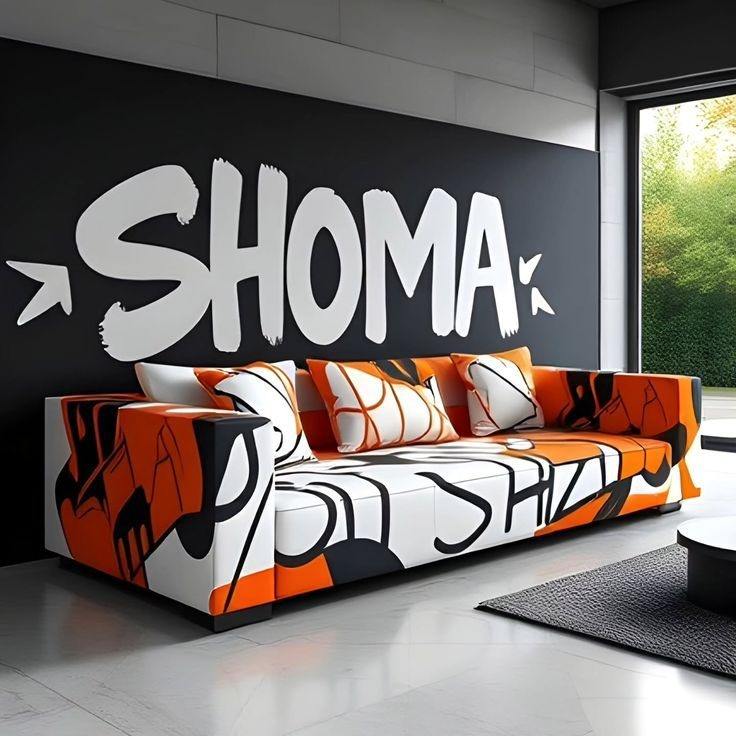
The main buyers for wall printing cover folks at home wanting special indoor upgrades. They also include shops like coffee spots or offices that pick branded murals to boost their image. Plus, places like schools or hospitals choose pretty learning themes. Uses span home fix-up firms that handle backdrop walls. Ad companies make promo images. School areas craft campus culture walls. Building supply plants create printed glass or wood sheets. Each group opens doors for targeted promo drives. These focus on tailoring and toughness.
Evaluating Competition in Your Area
Checking current rivals—such as wall painters or decor experts—is key before starting work. Spot weak points where auto wall printers offer quicker finishes or better sharpness than hand painting. Teaming up with nearby artists can widen creative choices, too. It mixes their ideas with digital work. This builds strong edges through top-notch work and smooth flow.
Financial Considerations for Starting a Wall Printing Business
Estimating Initial Investment and Operating Costs
Starting a wall printing outfit calls for various starting costs. The biggest share usually buys gear like a professional wall printer machine. Normally, the cost of our full wall printer falls between 5000~7000 US dollars. It varies by the type and setup of the device. Other expenses cover UV inks, upkeep items, promo stuff, travel gear, and skill-building sessions. A solid spending plan keeps things running steady in the first phase. It also leaves room for cash to grow promo efforts or improve tools.
Calculating Profit Margins and Pricing Models
Pricing setups often rely on wall space covered, pattern difficulty, and stuff used. Giving level-based deals pulls in home users after cheap decor picks. It also draws business folks needing big branding murals. Earnings grow via ongoing jobs from happy buyers. They value prints that stay bright inside for up to 20 years. This comes from sturdy UV inks. Tip programs can boost steady money flows, too. At the same time, they cut costs for new buyer hunts.
Technical Aspects of Wall Printing Operations
What Equipment Is Required to Start?
A strong system starts with an upright printer that manages different surfaces like plaster, concrete, glass, metal sheets, or wood slabs. Backup items include setup software, such as Photoshop link systems. These guarantee true picture copies from computer files to real walls. Our kits come with factory control setups plus Photoshop, BetterPrinter, and UltraPrint software. They include free updates for life. Good worker practice cuts mistakes in setup or print runs. It also better ink use across tasks.
Managing Quality Control and Maintenance
Steady quality needs routine setup checks to keep color even over many tasks. Routine upkeep steps cut stoppage chances a lot. Trying patterns on test walls before big runs makes sure the right placement. It avoids picture twists or off-center spots from bumpy surfaces. Advanced types spot these via sound wave sensors built in.
Marketing Strategies to Build a Successful Wall Printing Brand
How Can You Promote Wall Printing Services Locally?
Smart promo begins by showing completed projects on social sites. Clear pictures there pull in possible buyers hunting for fun decor thoughts like gallery wall prints. Linking with property builders or room designers brings reliable tips from fix-up jobs needing art wraps. Joining the market shows lets live demos. These show how fast machines turn plain walls into lively pieces. It proves a strong way to turn watchers into paying folks keen on print-on-demand wall art.
Building Long-Term Customer Relationships
Keeping buyers close gets stronger with deal cuts for ongoing buys or tip rewards that push talk within groups. Collecting feedback from glad homeowners or shop heads boosts trust online. It acts as real proof of steadiness. Giving follow-up help builds faith. This keeps lasting ties key for reliable money rise as time goes on.
Hanjie’s Wall Printer Solutions for Entrepreneurs
Why Choose Hanjie for Your Wall Printing Business?
Unter Hanjie, we focus on giving full digital printing fixes made for business starters in this quickly-blooming field. After years of effort, it has gained deep field know-how. We aim to give buyers fresh wall printing fixes. Our goods mix exact building with easy-to-use handling. This fits even new folks trying fresh chances in decorative arts.
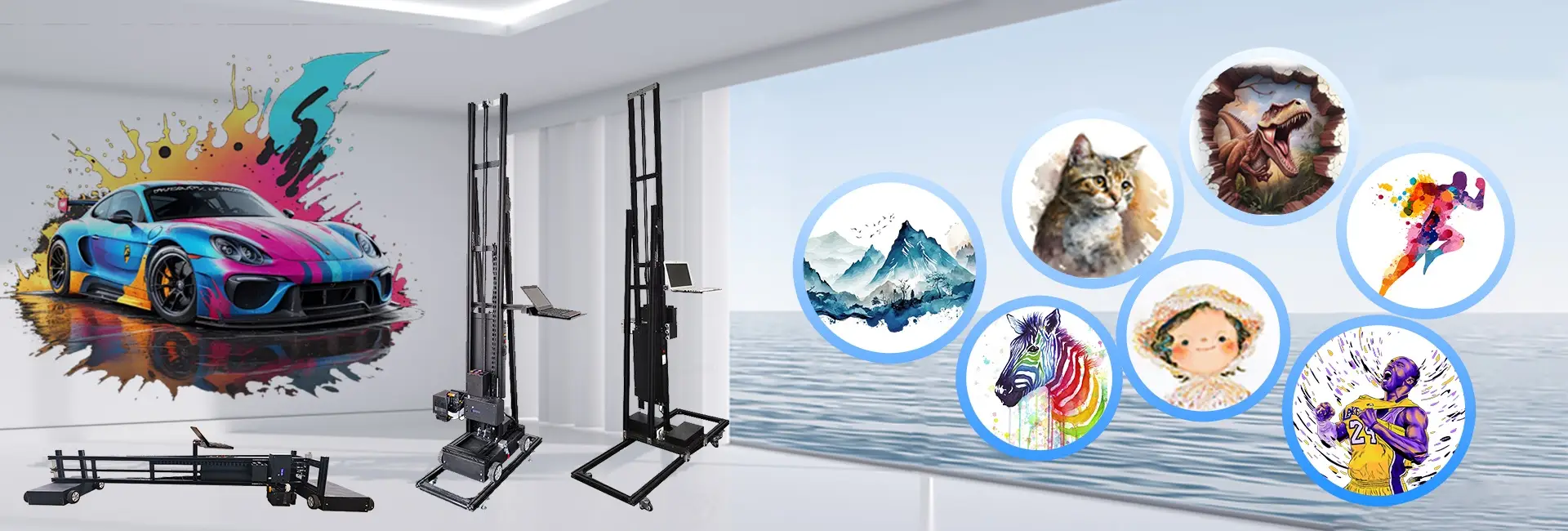
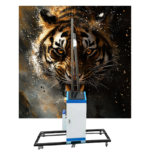
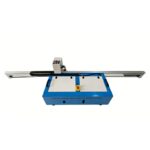
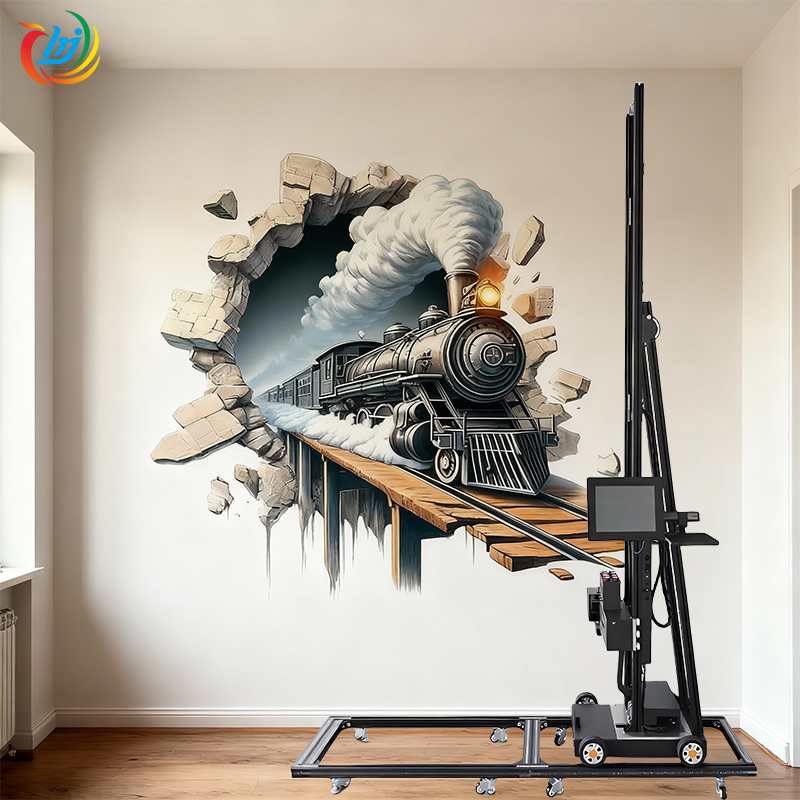
Unser HJ-928 Vertical 3D Wall Printing Machine prints on plaster, wallpaper, wood, brick, concrete, tiles. It gives sharp detail up to 2880 DPI using UV-curable inks lasting up to 20 years indoors. Likewise, our fresh-upgraded HJ-726 multifunctional UV printer mixes wheel-based movement with track-based firmness. It suits business starters needing to carry over many work spots.
Key Features of Hanjie’s Wall Printer Technology
Versatile Printing Capabilities
Our machines print bright images straight onto upright surfaces without big prep needs. This works thanks to piece-based frames that allow fast put-together in moments.
Efficient Ink System
UV ink is a solvent-free ink that does not contain a large amount of volatile organic compounds (VOCs) like traditional solvent-based inks. This eco-friendly formulation ensures long-lasting color retention while minimizing environmental impact—a critical factor appealing to today’s sustainability-focused consumers.
Reliable Support Network
We offer comprehensive technical assistance including installation guidance videos and multilingual software interfaces supporting English, French, German, Spanish among others so users worldwide can operate confidently regardless of language barriers.
FAQ
Q: Is wall printing profitable in small towns or rural areas?
A: Yes, it can be profitable if there’s consistent demand from homeowners seeking affordable custom décor options or small businesses looking to enhance visibility through artistic branding displays.
Q: What types of surfaces can a wall printer work on?
A: Wall printers operate effectively on plastered walls, brickwork structures, concrete panels, glass sheets, metallic plates or wooden boards provided they are flat enough for stable image projection.
Q: How long does it take to complete a typical project?
A: Depending on size complexity most jobs finish within one to three hours including setup time. Larger murals may require additional passes but remain faster than manual painting methods due to automated precision controls ensuring seamless finishes every time.