

Comparing Wall Printer and Traditional Wall Art Prints
What Makes Wall Printer Different from Traditional Prints?
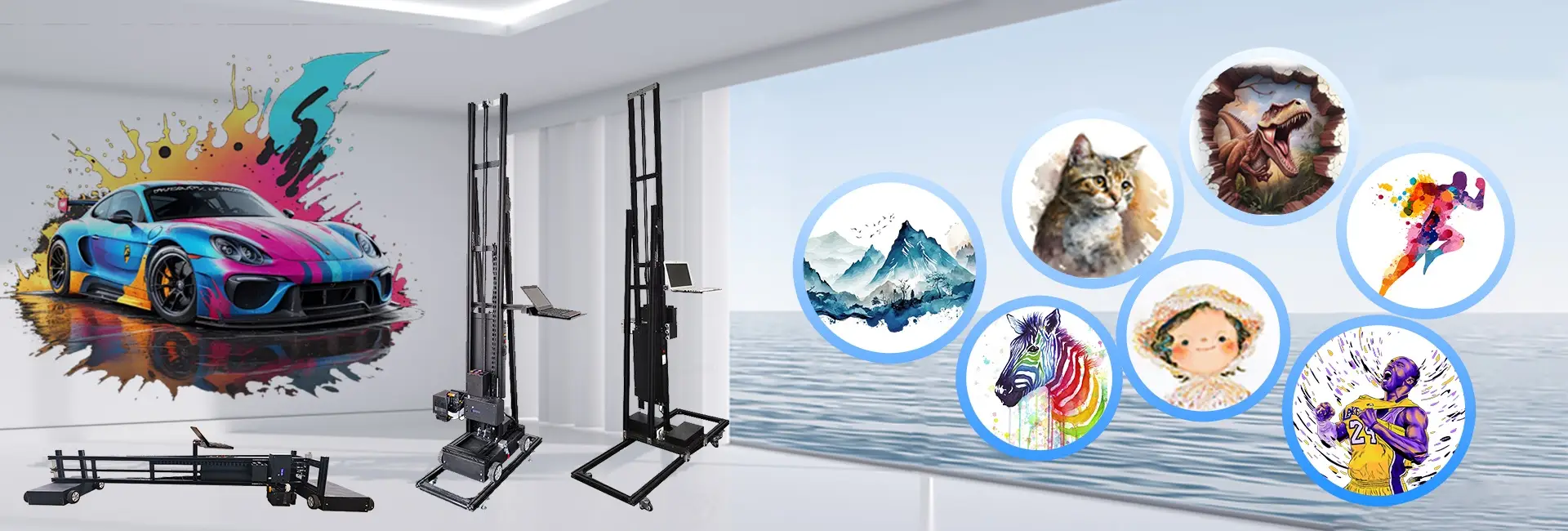
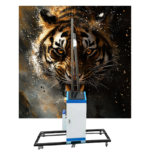
Wall printing has changed the way we decorate indoor areas. It differs from usual wall art prints, which rely on items like canvas, paper, or vinyl. Wall printers apply images right onto upright surfaces without any gaps. They employ UV-curable inks and clever control setups to produce clear designs on various walls. This direct method makes the artwork blend into the wall. As a result, it looks more unified than framed or attached standard prints.

Usual prints need mounting or framing. That adds extra expense and time for setup. The key variation is in the process. Wall printers put artwork directly on the surface with UV ink curing tech. Traditional ways print on separate bases first, then install them. For people checking wall printing ideas in homes or offices, this approach gives great flexibility and fresh ideas for printing on the wall.
How Do Materials Influence the Final Artwork Appearance?
The type of material greatly shapes how colors and textures show up in wall printing and standard art prints. Direct wall printing mixes ink with the wall surface. It creates a smooth, natural look. UV-curable inks harden right away under UV light. They form a slim protective coat that matches the wall’s texture, like on plaster or concrete. Thus, the finish seems built-in rather than just added on.
Standard art prints keep their unique feel. Canvas offers a rough, touchable surface. Glossy paper gives a shiny effect, but it might scatter light in spots. UV inks make prints water-resistant, able to withstand fading, and strong. Picking materials also impacts shine, color uptake, and lasting power.
Cost Comparison Between Wall Printing and Conventional Art Prints
Factors Affecting the Cost of Wall Printer Projects
A few elements determine how much the wall printer costs for each job. Price mainly hinges on wall area, pattern difficulty, and surface prep. Setup goes quicker because it skips framing or hanging. Our device uses just 6~10 ml of ink per square meter. Such small usage keeps big murals affordable versus standard framed pieces.
Equipment cost is another point. Current models like Hanjie’s best wall printing machine fall between $5000–$7000 based on setup. Yet, ongoing upkeep stays cheap. UV inks hold up well against fading or water damage. Setup takes only 10 minutes. One person can run it. That cuts labor costs for business mural jobs.

How Does the Cost of Traditional Wall Art Prints Compare?
Standard wall art prints differ a lot in price based on supplies like canvas or acrylic sheets. Framing raises the total bill a lot. It involves woodwork and glass covers. In the long run, you might face costs to replace them. Images fade in sunlight or get damaged during cleaning or moving.
Small canvas prints are cheap for home decor. But big setups get expensive with framing and mounting help. Companies wanting to grow brand options often see digital wall printing as cheaper. It avoids the repeated replacement needs in usual art displays.
Evaluating Print Quality: Sharpness, Color Depth & Longevity
Which Option Offers Better Image Resolution?
Today’s upright printers reach top-notch sharpness with new printhead tech. This gives crisp pictures with tiny details. Such quality lets detailed parts like logos or writing appear exact on big walls.
Standard printers can make good work too. But they depend much on the paper type and printer limits. When looking at common printheads in vertical wall printers against regular flatbed ones for posters or canvases, direct-to-wall setups provide better evenness. They use auto height checks and laser guides.
Color Accuracy and Fade Resistance in Different Printing Methods
Matching colors matters a lot for art and brand needs. UV-curable inks keep bright shades even in sunlight. They fight fading much longer than liquid-based inks in usual methods. Standard inks often need extra covers or glass frames to hold their color over time.
For folks in the wall art business, mixing fixed murals with swap-out framed works gives clients varied sights. It keeps the design flow across areas.

Texture and Visual Impact of Printed Artwork
How Does Surface Texture Affect Perceived Quality?
Texture shapes how people see depth and realness in printed art. Direct-to-wall results take on the wall’s natural traits, like plaster or brick. Wall printers make 3D looks with raised effects. These are tough to do by hand. This boosts the sense of depth without extra steps.
Canvas or photo paper has its own touch. But it stays apart from the building surfaces. In sleek indoor styles that stress simple lines or smooth ties between walls and decor, smooth mural blending via digital wall printing builds a deep visual pull. Framed items can’t match that.
Enhancing Interior Aesthetics with Each Printing Method
Both ways fit different style goals in room planning. Wall printers let creators turn whole spaces into linked story areas. They suit offices, eateries, hotels, or home feature walls where custom touches count. Standard framed art keeps things movable. You can shift it for seasons or swap it when changing themes.
For folks in wall art business chances, mixing fixed murals with swap-out framed works gives clients varied sights. It keeps design flow across areas.
Environmental Considerations in Modern Printing Techniques
Are Wall Printers More Eco-Friendly Than Traditional Methods?
Caring for the environment now ranks high when picking decor tools. UV ink avoids solvents. It has a few volatile organic compounds (VOCs), unlike standard solvent inks. So, it harms the air and health less. Skipping frame materials like wood or glass cuts resource use in making murals.
Still, green-minded buyers can choose lasting standard prints from reused paper with safe color agents. But full life checks show direct-to-wall ways cut waste. They skip the middle layers when printing the walls.
Hanjie’s Innovation in Wall Printing Technology
What Sets Hanjie’s Wall Printer Apart?
Unter Hanjie, we focus on building smart digital mural tools for many uses. These range from home fun to business brand jobs around the world. Our HJ Series shows our work in exact building plus art advances.
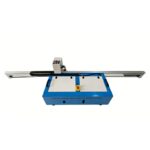
Hanjie’s best wall printing machine models, like the HJ-726 Multi-functional UV Wall Printer, can print fine pictures on any surface, such as tile walls or metal sheets. The setup features automatic nozzle cleaning and ensures stable operation over long-term runs.
The HJ-928 Vertical 3D Wall Art Printer shows easy auto features. It uses sound wave sensors to spot bumpy areas. At the same time, it holds image lines steady. This fits new users trying diy wall printer plans and pros handling tough business murals well.
Applications of Hanjie’s Wall Printer in Modern Interiors
Our flexible tools fit endless spots. Hotels use wide lobby pictures. Cafes show themed drawings. Schools add learning images to rooms. Homeowners tailor living areas with personal patterns. All this happens through quick digital steps with little prep time.
FAQ
Q: Are wall printers permanent or removable?
A: Wall printer designs are semi-permanent. They stick well. But you can paint over them if you want to make changes later.
Q: Can wall printers handle textured walls?
A: Yes. Our sound wave sensors auto-adjust space. They allow the right output even on mildly bumpy surfaces during printing.
Q: Which option suits commercial environments better—wall printer art or framed prints?
A: For brand-driven companies needing deep visuals that resist wear over time, digitally printed murals offer better strength. This compares to changeable framed artworks used mainly for easy decor shifts.