



Technical Complexities of 3D Vertical Wall Printers
How Do 3D Vertical Wall Printers Work?
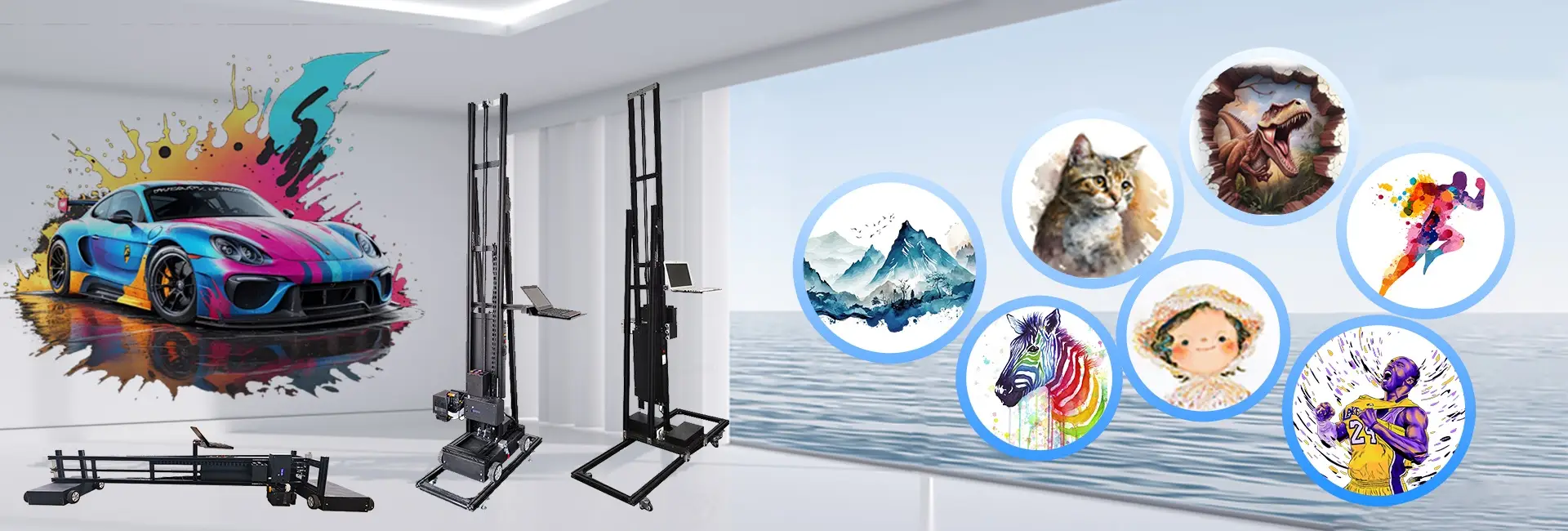
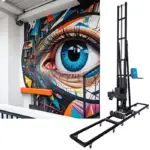
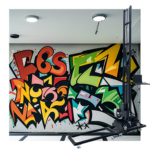
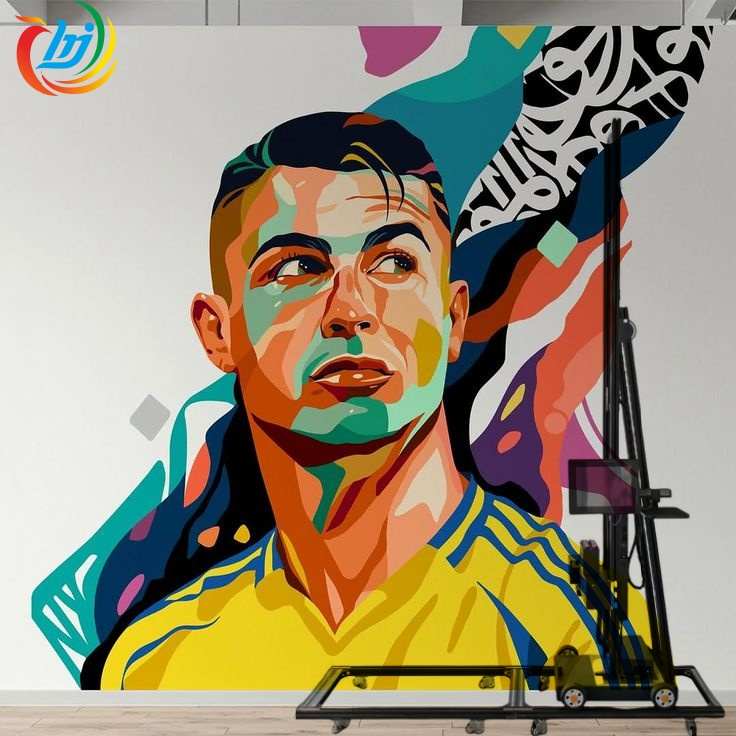
3D vertical wall printers are sophisticated digital inkjet devices built to print straight onto walls. They produce detailed images and murals. These wall art printers rely on UV-curable inks and clever control systems to form sharp designs on various surfaces.
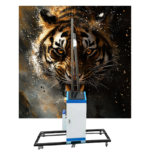
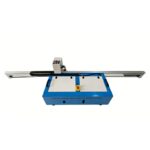
Hardware setup is just as vital for these machines. The control system includes an industrial PC or laptop, plus Photoshop, BetterPrinter, and UltraPrint software. Newer printers feature laser positioning systems. They also use electric lift mechanisms for printheads and ultrasonic sensors. These help keep the right distance from rough surfaces.
Our wall printers apply laser positioning and electric lifting for printheads. This allows accurate wall printing on mildly uneven areas without distortion. Hand painting often fails here. Thus, this setup provides exact alignment. It also ensures steady ink spread over tricky wall textures.
What Are the Current Limitations in Precision and Accuracy?
Even with their advanced tech, 3D vertical wall printers encounter issues in keeping precision in different settings. Alignment mistakes can happen if calibration goes wrong. Or, factors like humidity might affect ink curing.
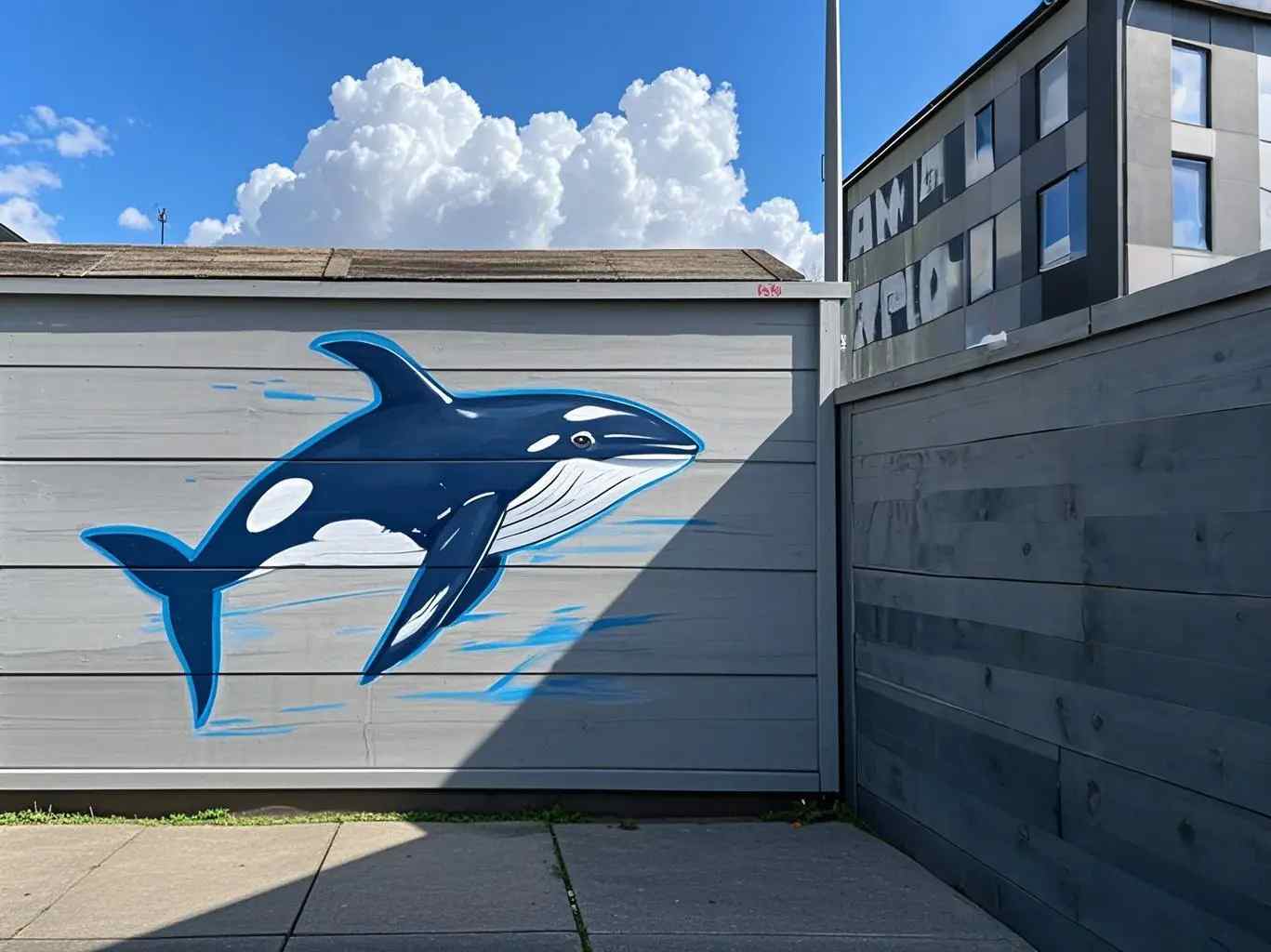
Advanced sensors help, but warped or absorbent surfaces can still twist image shapes. The laser positioning system and printheads’ electric lift guarantee correct image placement. Yet, getting even outcomes on materials like plaster or brick is tough. This stems from varying absorbency and texture levels.
Material and Surface Compatibility Challenges for 3D Vertical Wall Printers
Can 3D Vertical Wall Printers Work on Any Surface?
Many makers claim broad compatibility, but actual results hinge on surface prep. Smooth walls give superior outcomes compared to rough or dirty ones. The surface needs to absorb ink well. Also, check the printhead status. For strong adhesion, walls must be clean, dry, and free of oil or flaking paint.
Still, not every material responds the same to UV inks. We employ a tough UV ink that hardens right away under the built-in UV curing lamp. It works on nearly all surface types. So, you can print on plaster, wallpaper, wood, and many others without trouble. However, rough bricks or bumpy concrete might need extra primer coats for top results.
What Types of Inks and Materials Are Used?
Most current 3D vertical wall printers use UV-curable inks for quick drying and lasting strength. Our five-color UV ink yields bright images. It dries in seconds and stays waterproof and sun-resistant. These inks lack solvents. They are eco-friendly versus older choices. UV ink avoids solvents and holds few volatile organic compounds (VOCs), unlike classic solvent-based inks. So, it harms air and health less.
Strength is a big plus too. Printed murals endure for years without fading or flaking. UV inks render prints waterproof, fade-proof, and sturdy. They last outdoors for 3-5 years and indoors for 15-20 years. Sunlight or dampness seldom impacts them due to their makeup.
Operational Challenges and Maintenance Requirements for 3D Vertical Wall Printers
What Are the Key Maintenance Requirements?
Regular upkeep keeps performance steady over time. Operators should check nozzles often for blocks or faults using tools like flash tests in BetterPrinter software. Apply cleaning fluids to avoid clogs during downtime. When idle, soak a paper towel in cleaning fluid. Cover the printhead surface with it. Then, seal the printhead cover with a lid.
Typical problems involve uneven ink flow or nozzle blocks from air in tubes or poor capping in storage. Makers suggest keeping a fixed gap between printhead and surface, usually 3–5mm. This delivers the best clarity.
How Does Operator Skill Impact Printer Performance?
Training for operators is key to getting pro-level results from a 3D vertical wall printer. Many machines have auto-calibration, but human checks are still vital for setup precision. Without skill, you might see misalignment or uneven colors on big murals.
Our team at Hanjie stresses operator learning via online sessions. These suit newbies and experts globally. We offer lifetime tech support. This helps users learn machine handling quickly.
Cost Implications for Adopting 3D Vertical Wall Printers
What Are the Initial Investment Costs?
Upfront costs differ by setup. They typically fall between $5,000–$10,000 for heavy-duty models with dual printheads, like our HJ Series printers. This covers parts such as tracks, industrial PCs, ink kits, setup help, warranty, and training.
Unlike old-school mural painting, which needs expert artists for long hours, these machines cut labor expenses sharply. They boost output per square meter of wall printing.
Are There Hidden Costs in Operation and Maintenance?
Running costs cover supplies like UV ink. Add occasional cleaning fluids or maintenance kits. Printheads count as supplies but last long, up to 4,000 m² normally. So, they prove economical in the end.
Over time, savings come from less staff needs and little waste. Digital wall printing skips human mistakes common in hand painting.
Hanjie’s Contribution to the 3D Vertical Wall Printer Market
Introducing Hanjie: Innovators in 3D Vertical Wall Printing Solutions
Hanjie specializes in digital printing. Through years of effort, it gained deep industry know-how. The company aims to deliver fresh wall printing solutions to clients. We provide a wide product lineup. This includes HJ-426 dual-purpose wall & floor printers, HJ-928 high-end mural systems, HJ-725 portable models for ads, and more. All use top tech and quality parts for clear, vivid, lasting prints up to 2880 DPI with Epson I1600 heads.
How Does Hanjie Address Current Industry Challenges?
We tackle typical tech hurdles with features like ultrasonic distance sensors. They auto-adjust head height for surface bumps during wall printing. This keeps quality steady on irregular walls. Modular builds allow fast setup in ten minutes for easy moves between sites.
After-sales includes a one-year warranty, skipping consumable heads. We replace free spare parts if needed. Plus, lifetime online help via WhatsApp or engineer videos worldwide.
We focus on green practices too. Low-VOC UV inks cut environmental harm. They keep bright colors for indoor life up to twenty years or outdoor strength for five years.
PREGUNTAS FRECUENTES
Q: What Surfaces Can a 3D Vertical Wall Printer Print On?
A: Most printers manage flat spots like drywall. Yet, some models with ultrasonic sensors adjust auto for rough materials like brick or stone. This ensures steady distance control in operation.
Q: Is It Difficult to Learn How to Operate a 3D Vertical Wall Printer?
A: Basic training works fine. Our systems have automation like auto-calibration and simple interfaces. We back this with full remote guides from our tech team.
Q: How Long Does It Take to Complete a Standard Print Job?
A: Time depends on design details, size, and resolution. Average speed is six to fourteen square meters per hour. So, full-wall murals finish in a few hours under usual settings, based on mode and quality.