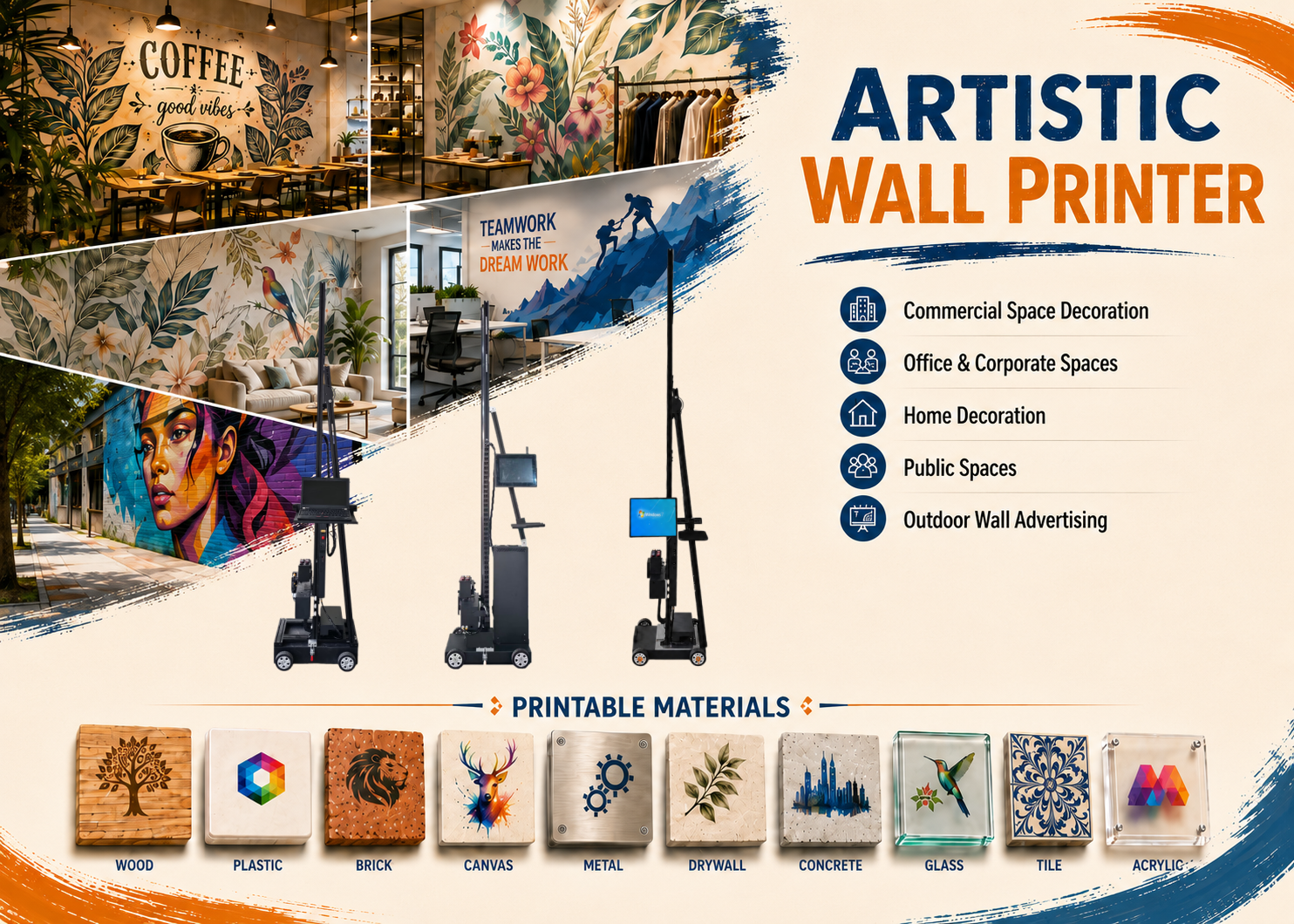
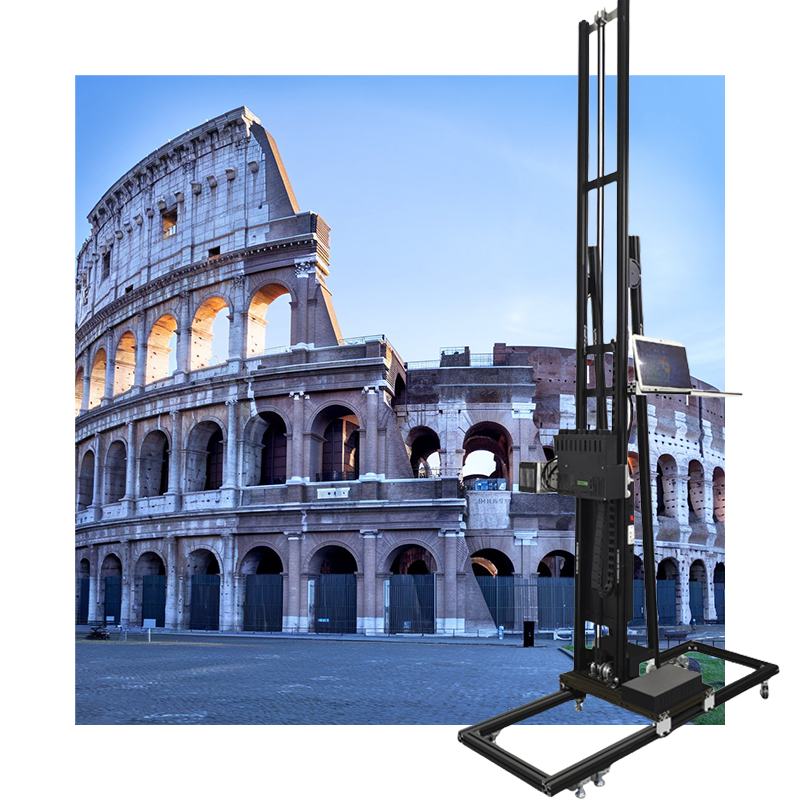
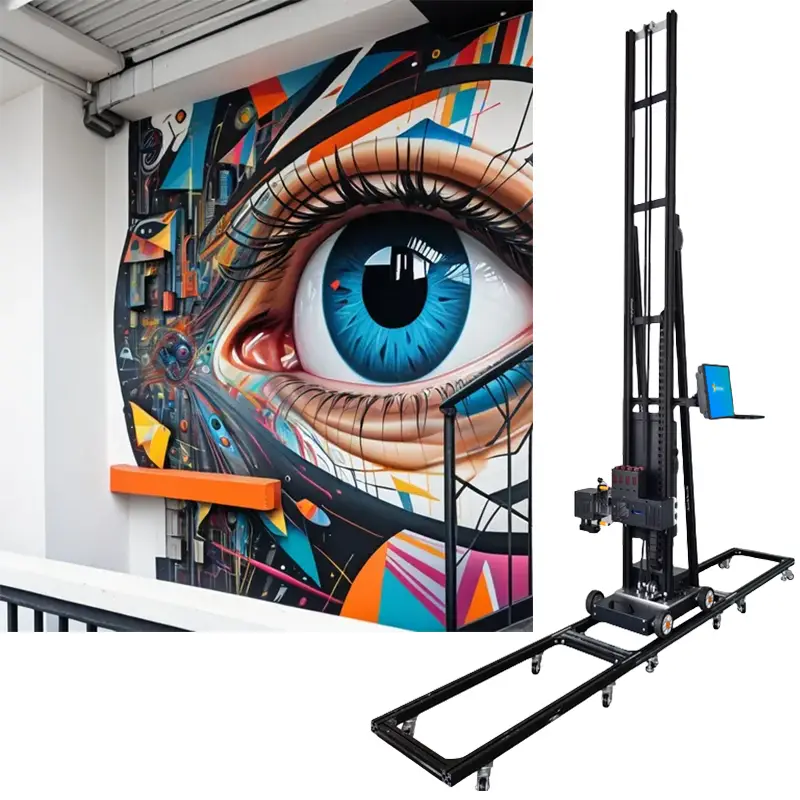
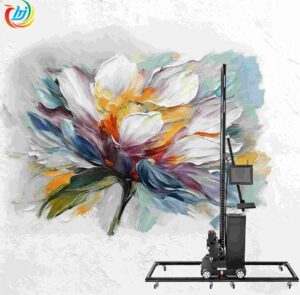
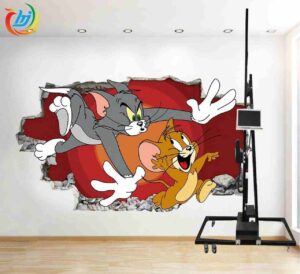
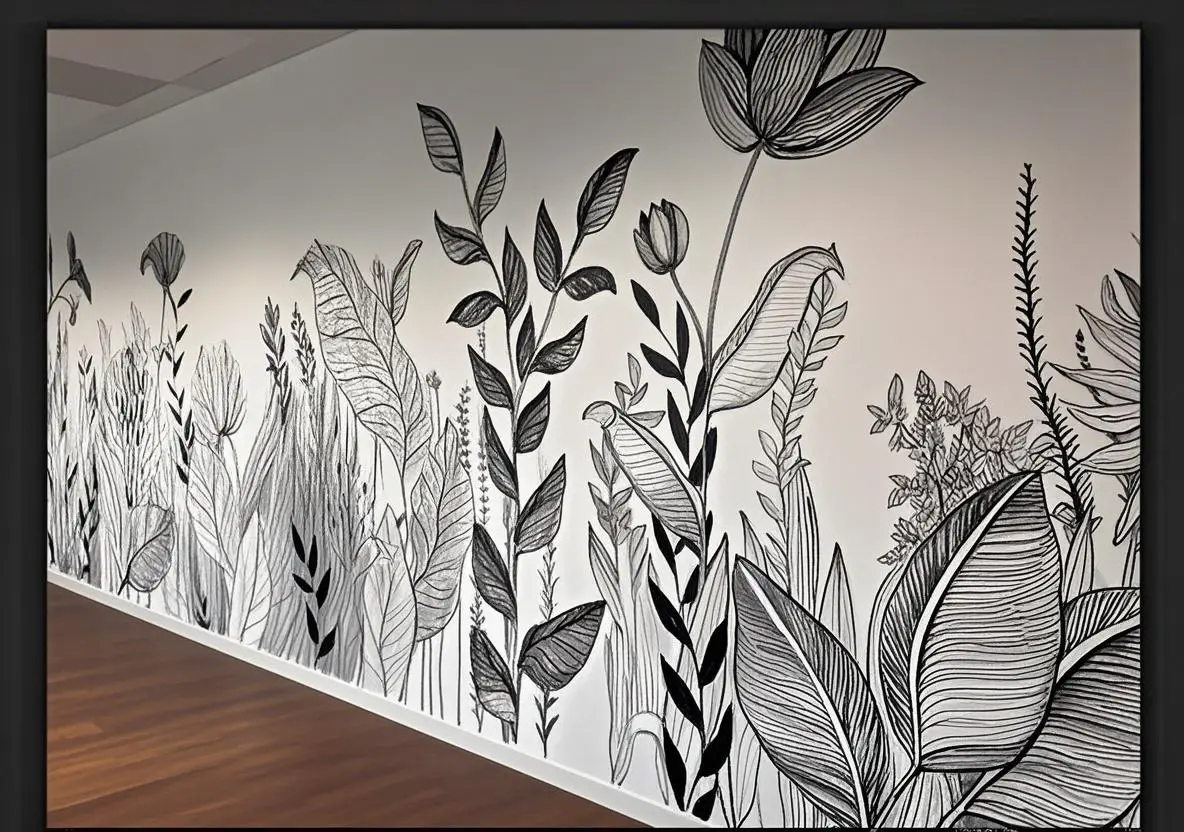
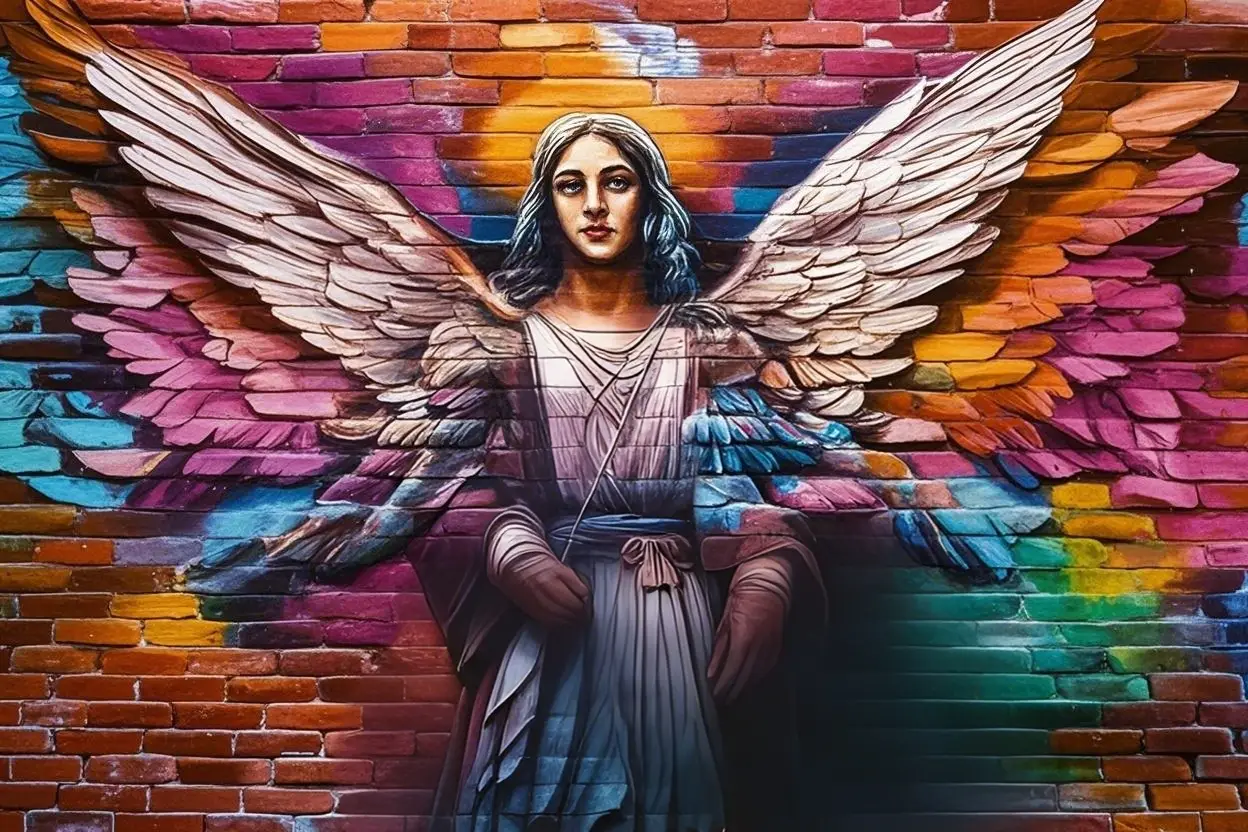
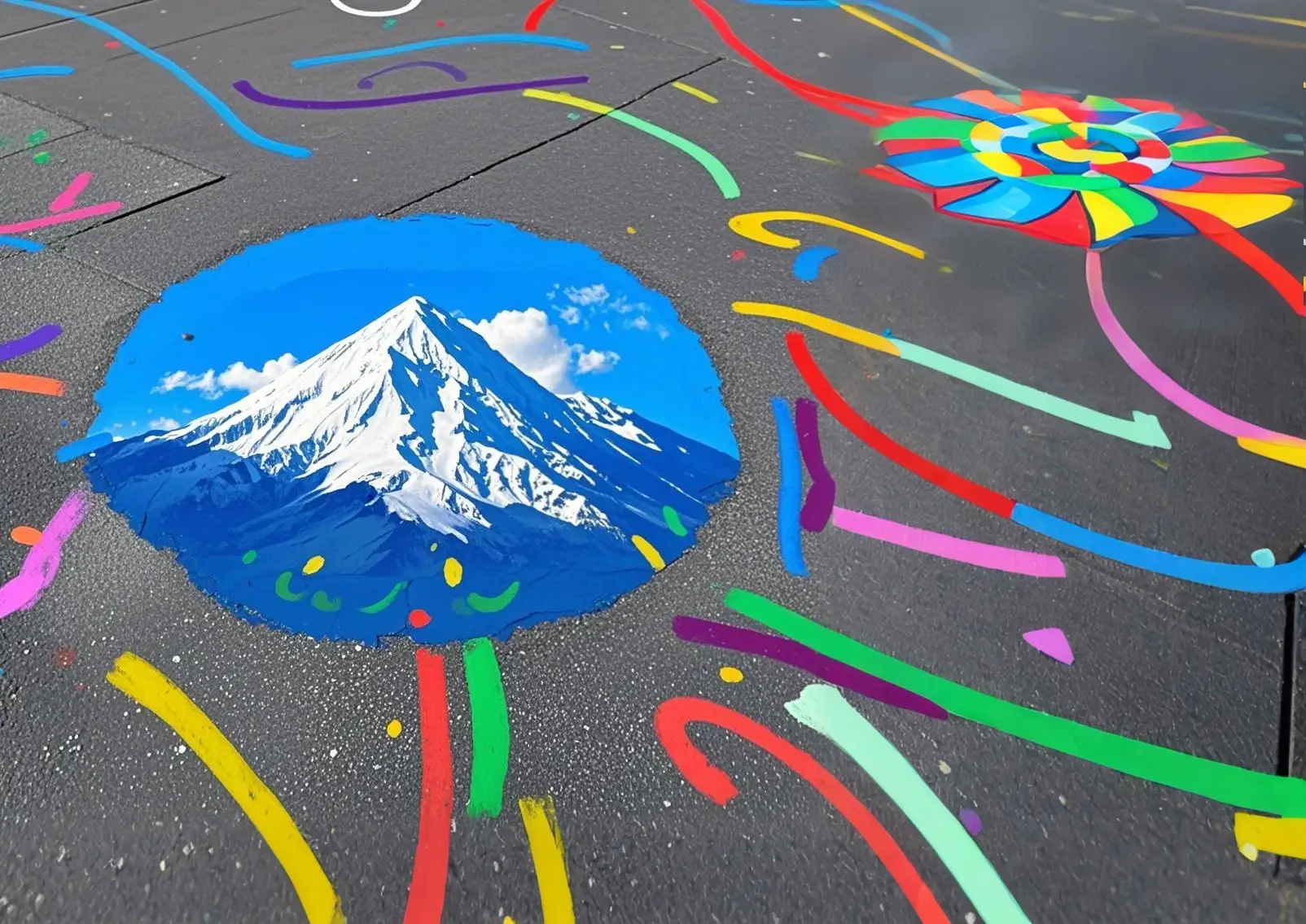
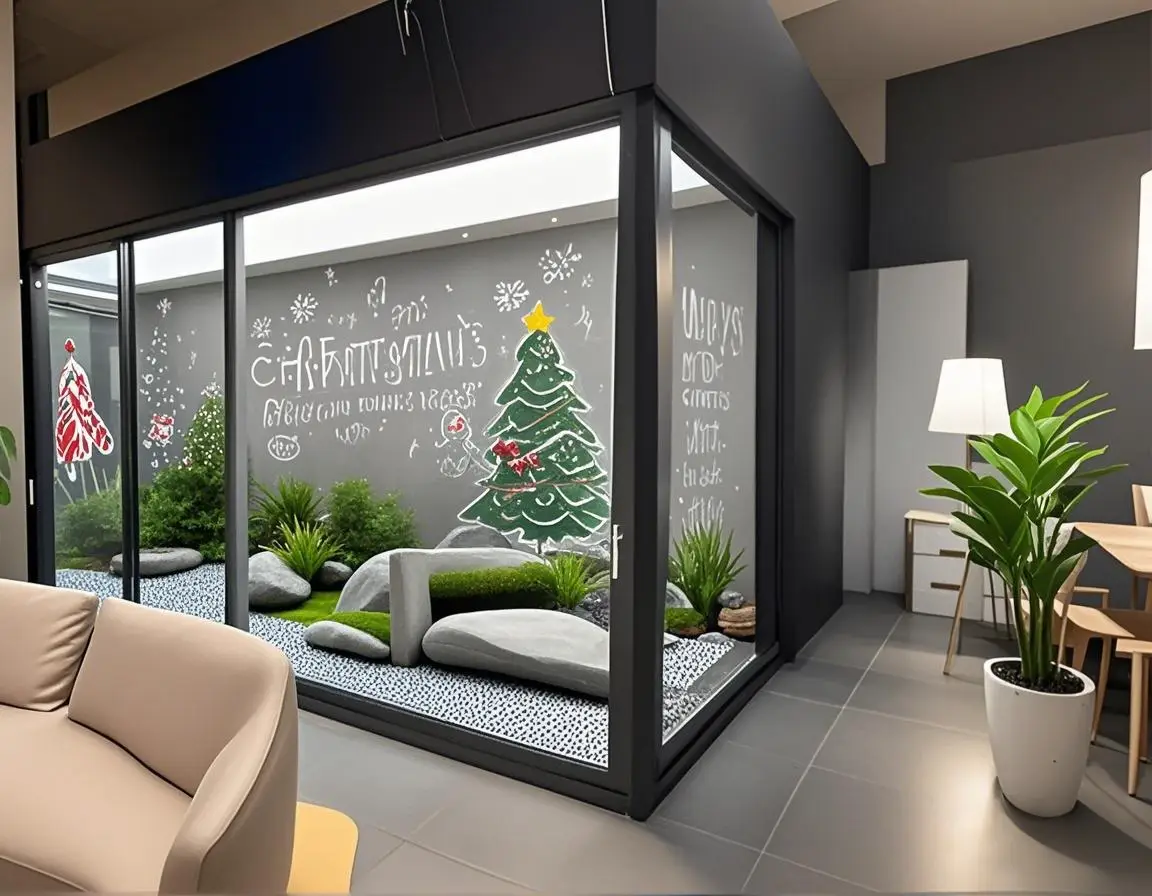
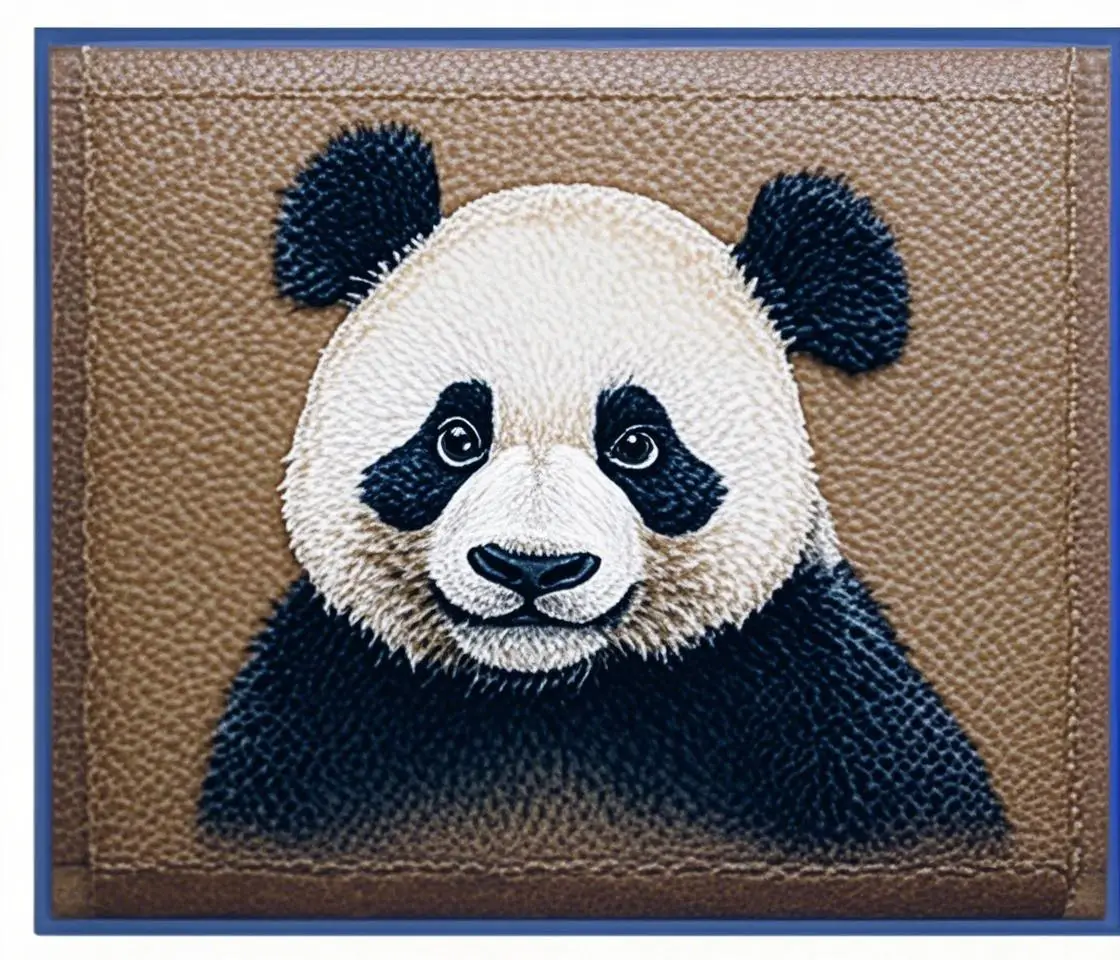
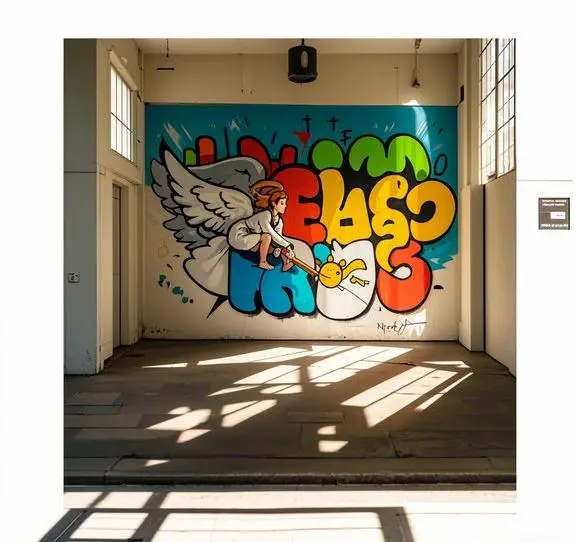
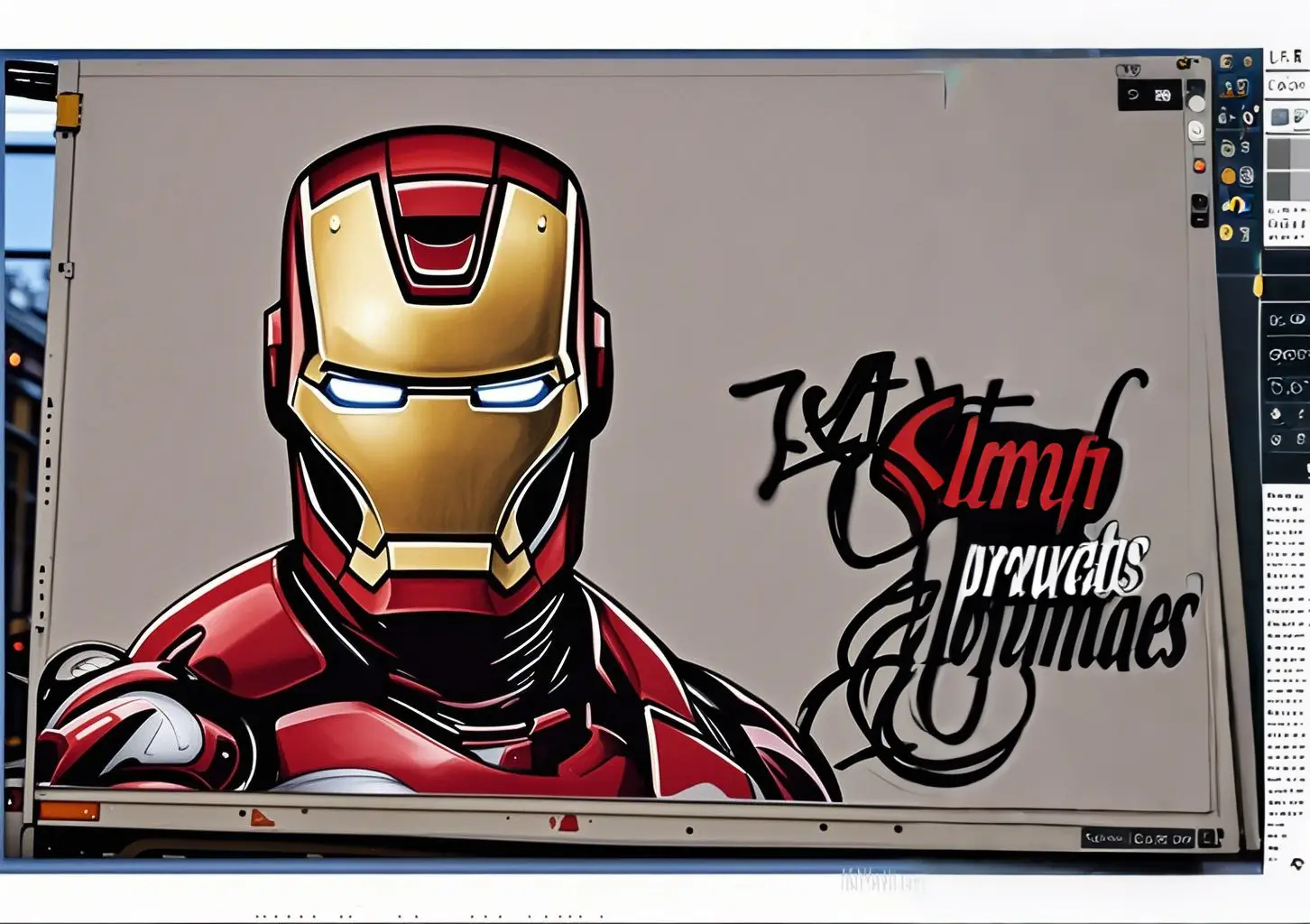
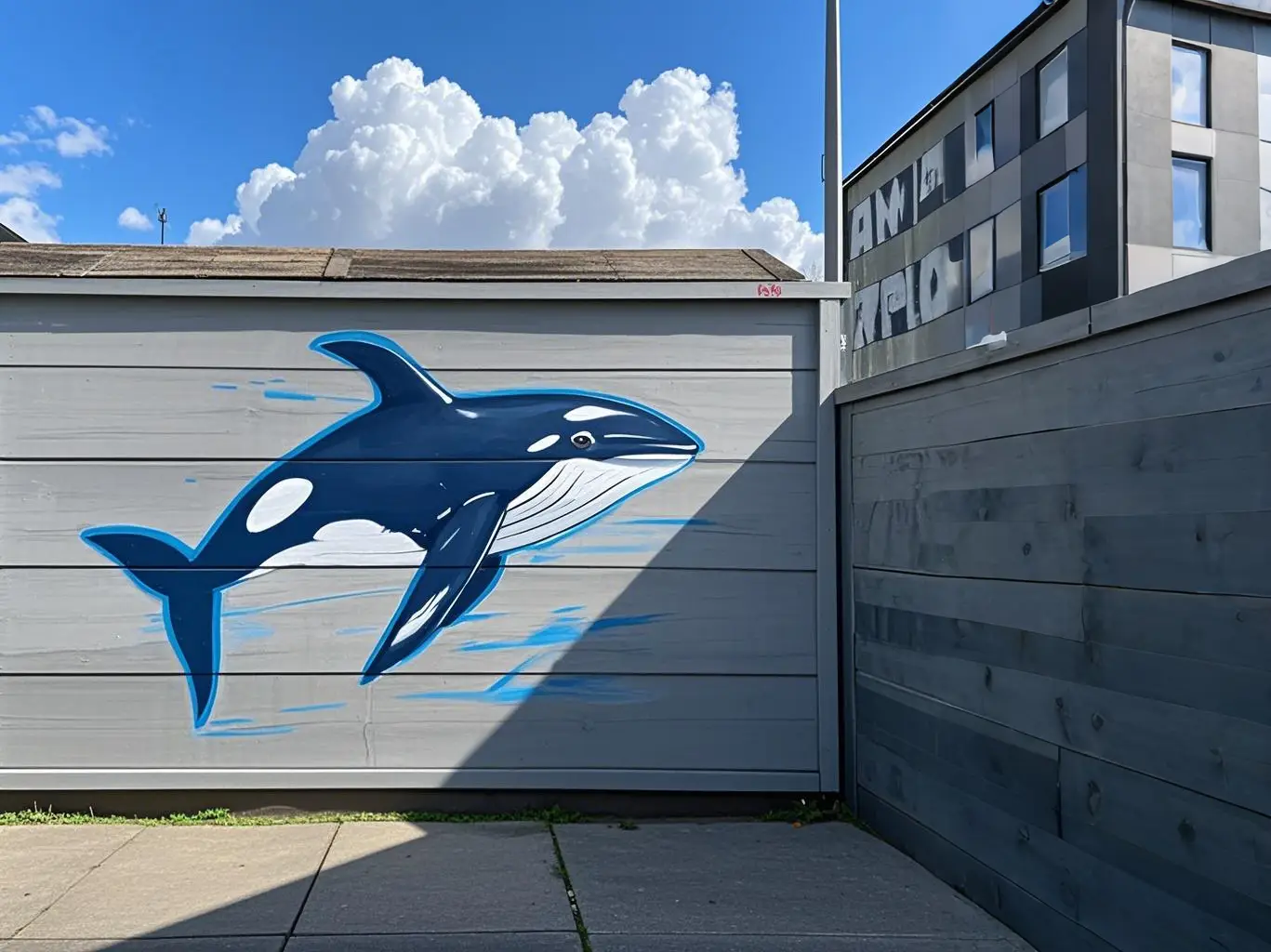
Transformez vos murs en œuvres d'art époustouflantes grâce à l'imprimante murale 3D verticale HJ-928 ! Conçue pour les débutants comme pour les professionnels, cette imprimante murale innovante donne vie à vos visions créatives en imprimant des images de haute qualité directement sur les murs et les surfaces verticales. Qu'il s'agisse de décorer une maison, d'améliorer un espace professionnel ou de lancer une entreprise d'impression murale, la HJ-928 offre une solution facile, efficace et abordable pour personnaliser n'importe quel environnement avec les images que vous avez choisies.
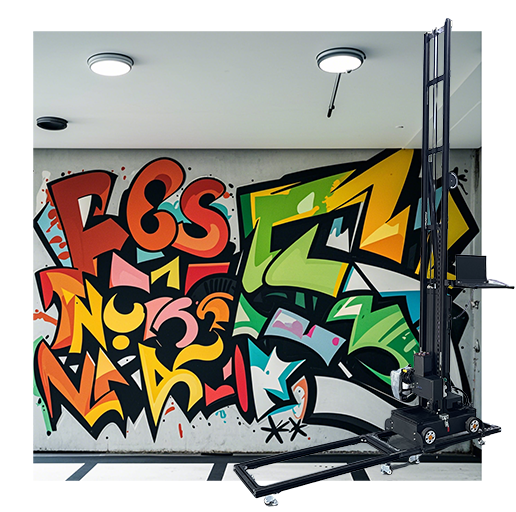
Unleash speed, precision, and innovation with the HJ-725 Wall Printer—a game-changing tool designed to transform your spaces with professional-grade results. This fully automatic, lightweight printer is engineered for professionals and businesses seeking efficiency, versatility, and stunning quality for medium to large-scale projects. Whether you’re creating vibrant wall murals or custom decor, the HJ-725 delivers unmatched performance to bring your vision to life.
Découvrez l'imprimante murale et de sol HJ-426, une solution tout-en-un révolutionnaire qui offre la puissance de deux machines pour le prix d'une. Cette imprimante de pointe combine des capacités d'impression murale et au sol très performantes, offrant un rapport qualité-prix exceptionnel pour les professionnels, les entrepreneurs et les passionnés de création. Avec la HJ-426, vous pouvez transformer n'importe quel espace avec des peintures murales vibrantes, des dessins de sol personnalisés ou des graphiques de marque, tout en maximisant l'efficacité et en minimisant les coûts. Libérez votre créativité et élevez vos projets avec une seule machine polyvalente.
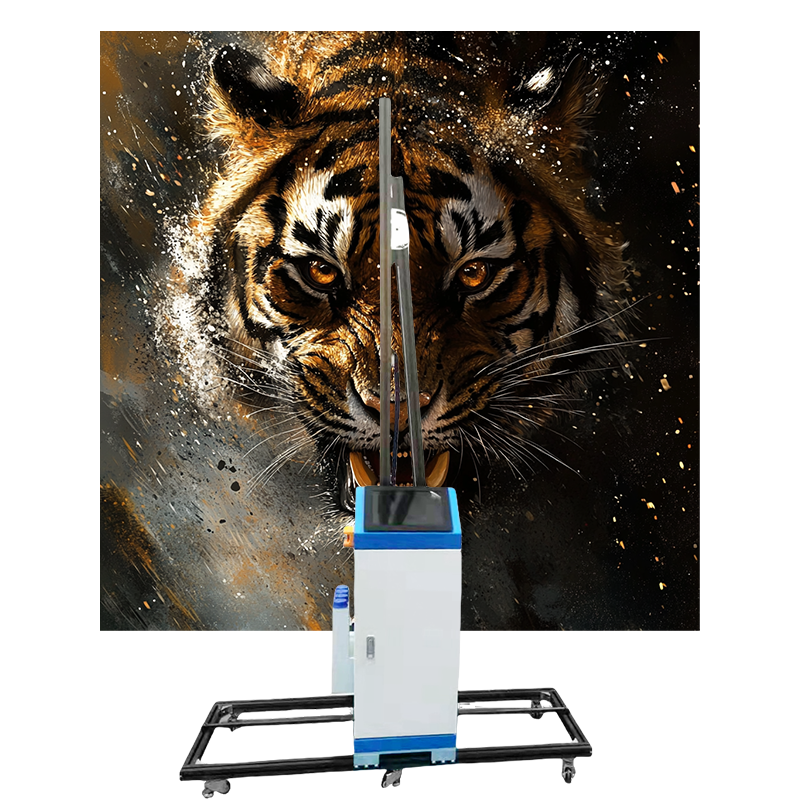
Découvrez la HJ-724, notre imprimante murale 3D de première génération, qui révolutionne l'impression verticale. De la signalisation à l'œuvre d'art originale, cette machine crée rapidement des peintures murales durables sur n'importe quelle surface, à l'intérieur comme à l'extérieur. C'est le moyen le plus rapide et le plus rentable de produire une communication visuelle époustouflante.
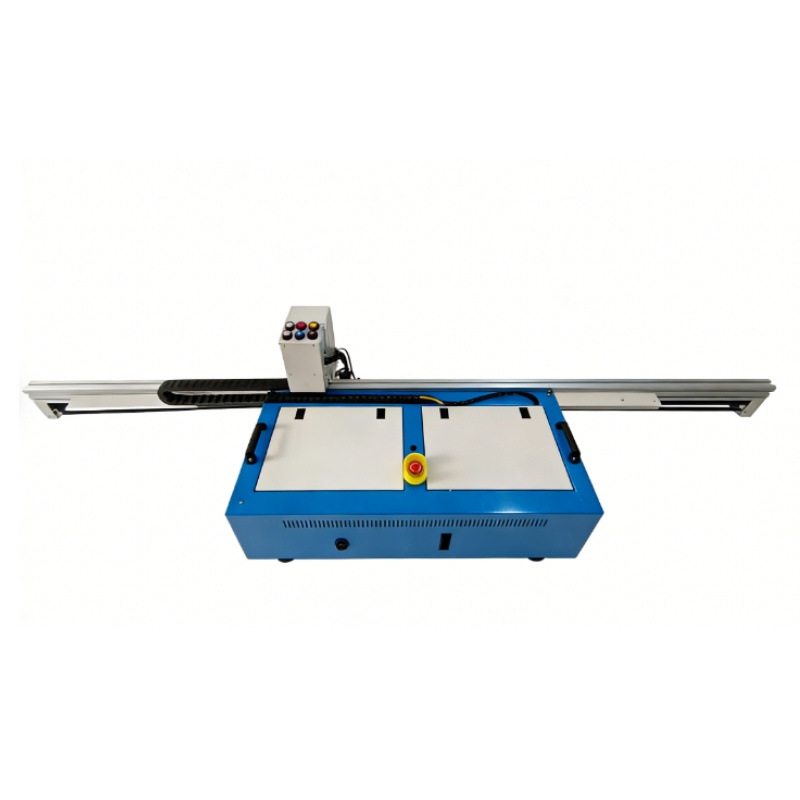
HJ-129 est notre première machine autonome conçue pour l'impression sur sol, parfaite pour le bricolage de graffitis sur sol. Son fonctionnement simple et intuitif, sa technologie d'impression avancée et sa capacité de personnalisation des motifs permettent aux utilisateurs de créer facilement des œuvres d'art au sol personnalisées et de libérer une créativité illimitée. Qu'il s'agisse de décoration intérieure ou d'activités extérieures, le HJ-129 peut ajouter un charme unique à votre espace.
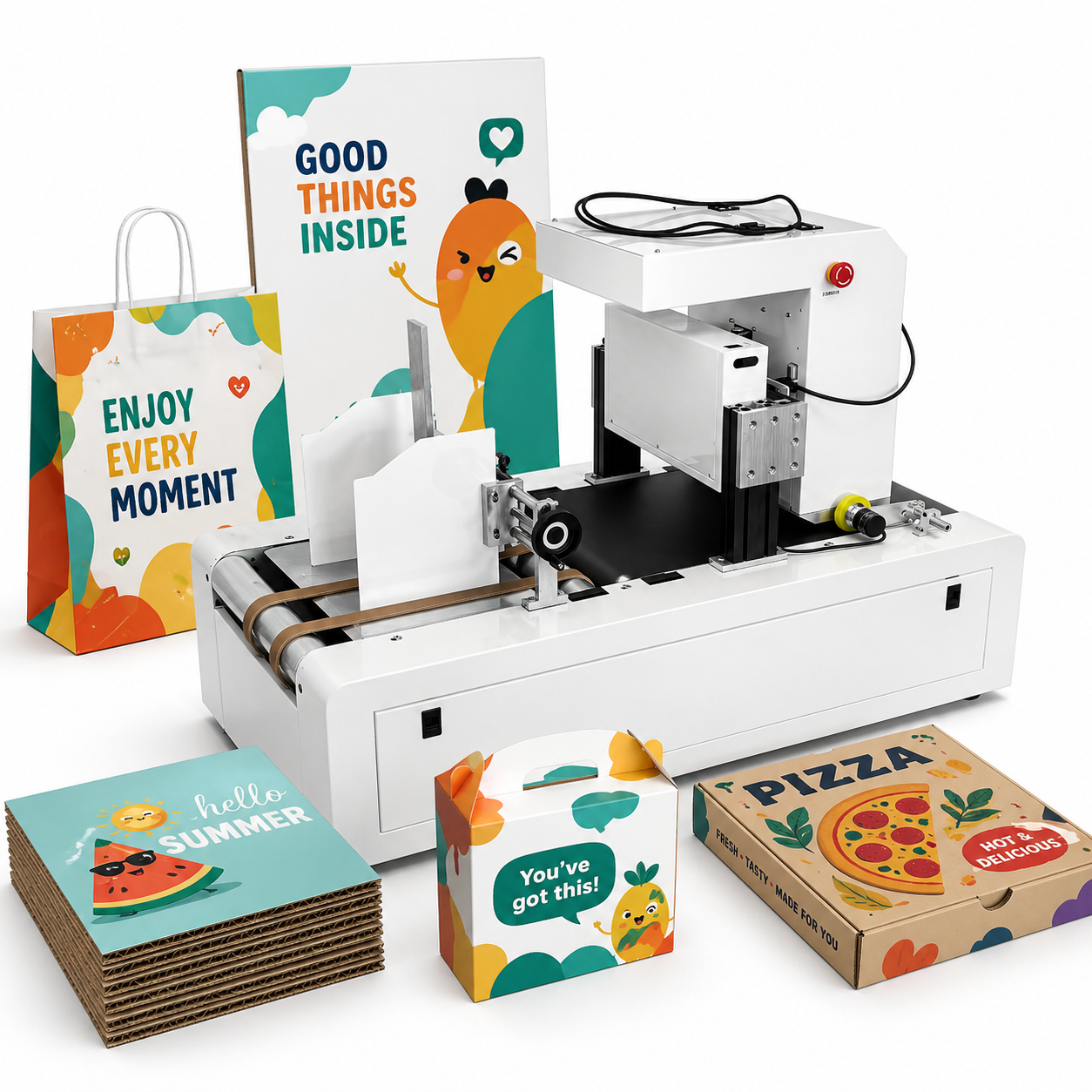
The HJ-400 Small Carton Digital Printing Machine is a compact and flexible solution for customized packaging printing. With HP industrial nozzle technology, 1200 dpi high-resolution output, eco-friendly water-based ink, and support for various paper-based materials, it can print logos, patterns, text, barcodes and full-color designs directly onto cartons, kraft paper bags, pizza boxes, gift boxes and corrugated packaging. It is especially suitable for small-batch orders, sample production, personalized packaging and fast design changes, helping businesses improve production efficiency and create professional branded packaging with lower setup cost.
What Makes 3D Wall Printing an Attractive Business Opportunity in 2026? The Growing Market Demand for Custom Wall Art Interest in personal spaces keeps rising. Homeowners and businesses look for unique visual styles. Custom interior décor has grown quickly. This growth has turned 3D wall printing into a solid choice for new business owners. The method prints straight onto walls. It creates bold murals and art that once needed hand-painting. Digital tools now help cut labor and time. Emerging markets also pick up 3D wall printing machine business ideas because running costs stay lower than the old mural work. How Technological Advancements Are Shaping the Industry New tools have changed how wall art gets made. AI software helps with better accuracy and speed. UV-curable inks give bright colors that last and hold up against weather. UV-curable ink cures right away under UV light. It forms a strong film on any wall texture. IoT links and smart controls let users watch jobs from afar. This cuts idle time and lifts output. How Much Does It Cost to Start a 3D Wall Printing Business? Initial Investment Breakdown A new 3D wall printing setup needs a solid printer. The full wall printer price
What Makes a 3D Wall Print Machine Different from a UV Wall Printer? How Each Printing Technology Works A 3D wall print machine works with vertical inkjet printing. It sprays pigment straight onto surfaces through precise nozzles. This method lets the ink form layers. It creates a textured or raised look. These suit artistic murals and decorative uses well. A UV wall printer relies on ultraviolet-curable ink. The ink hardens right away under UV light. UV-curable ink used in machine-printed murals cures instantly under UV light. It sits once after printing. This forms a film with strong coverage. The film works no matter the wall texture. The main difference comes from the curing step. Pigment-based inks dry on their own or with heat. UV inks harden fast instead. This brings quicker output and less smudging. UV ink is also solvent-free. It holds a few volatile organic compounds, unlike older solvent-based inks. As a result, it adds less harm to air quality and health. This makes UV printing more eco-friendly than standard pigment systems. Comparing Printing Results and Texture Effects The visual results of these two methods stand apart. 3D wall printers build tactile textures you can touch. They fit murals
What Does the 3D Wall Printing Machine Business Look Like in 2026? Market Trends Driving Growth in 3D Wall Printing The global wall printing industry is expected to grow a lot by 2026. This growth comes from more demand for custom designs inside and outside buildings. People want new ideas that mix technology with art. That interest pushes buyers toward wall printer machines. Small creative firms and freelance decorators also help the trend. They choose compact and portable printers. These tools let them finish custom work right at the site. Wall art printers rely on UV-curable inks and smart control systems. They produce clear designs on many surfaces. The new tech brings faster speeds and better accuracy. Wall printing now works as a solid choice over old-style murals. The Epson I1600 printheads reach up to 2880 dpi. They last through 4000㎡ of work. This shows how printhead upgrades improve image quality and fine details. How Consumer Preferences Are Shaping the Industry Today’s buyers like décor that shows personal style and care for the planet. Custom home décor and branded commercial spaces grow in demand. Digital wall printing meets these needs for homes and offices alike. Eco-minded clients also choose low-waste
What Are Commercial Wall Graphics Printers and How Do They Work? Key Features of Commercial Wall Graphics Printers Commercial wall graphics printers are advanced machines. They print directly onto vertical surfaces such as walls, glass, metal, or wood. These printers utilize UV or eco-solvent inks to produce long-lasting and vibrant prints that resist fading and moisture. UV-curable ink used in machine-printed murals cures instantly under UV light. It cures immediately after printing. This forms a film with excellent coverage, independent of the wall’s surface texture. With high-resolution capabilities up to 2880 DPI, they ensure professional-grade results ideal for both indoor and outdoor applications. How Do Wall Graphics Printers Operate? Wall graphics printers function through vertical rail systems. These systems allow precise movement and image alignment. Our wall printers use laser positioning and printheads’ electric lifting. This prints accurately on slightly uneven surfaces without warping. Hand painting often struggles with this issue. The process begins with digital input files prepared using software like Photoshop or UltraPrint. These files are processed through RIP software to generate print-ready data. The whole printing process consists of three steps. First, import the picture into Photoshop. Next, input the adjusted TIFF format file into the RIP