





Getting the Lowdown on 3D Wall Printers
What’s a 3D Wall Printer and How Does It Work?
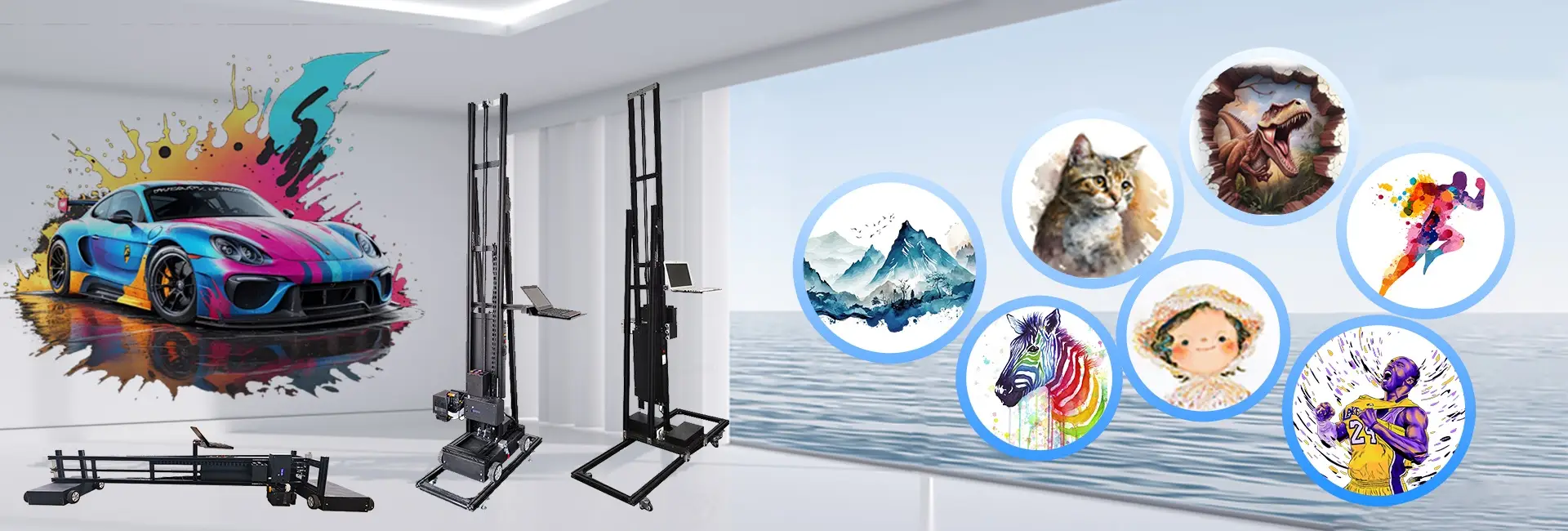
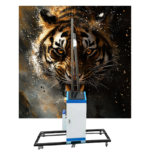
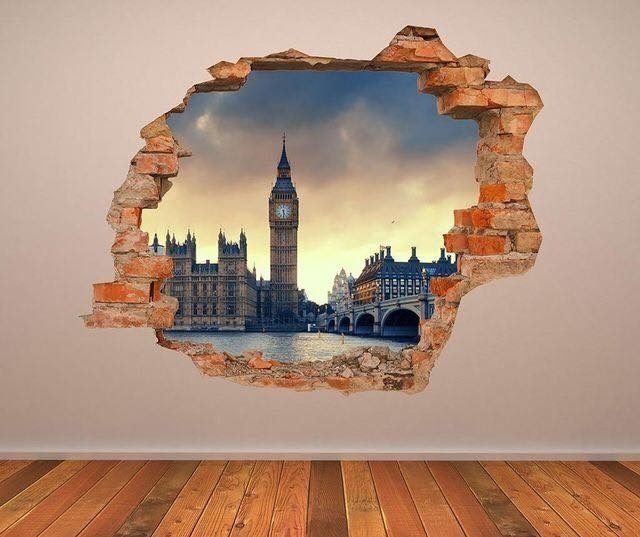
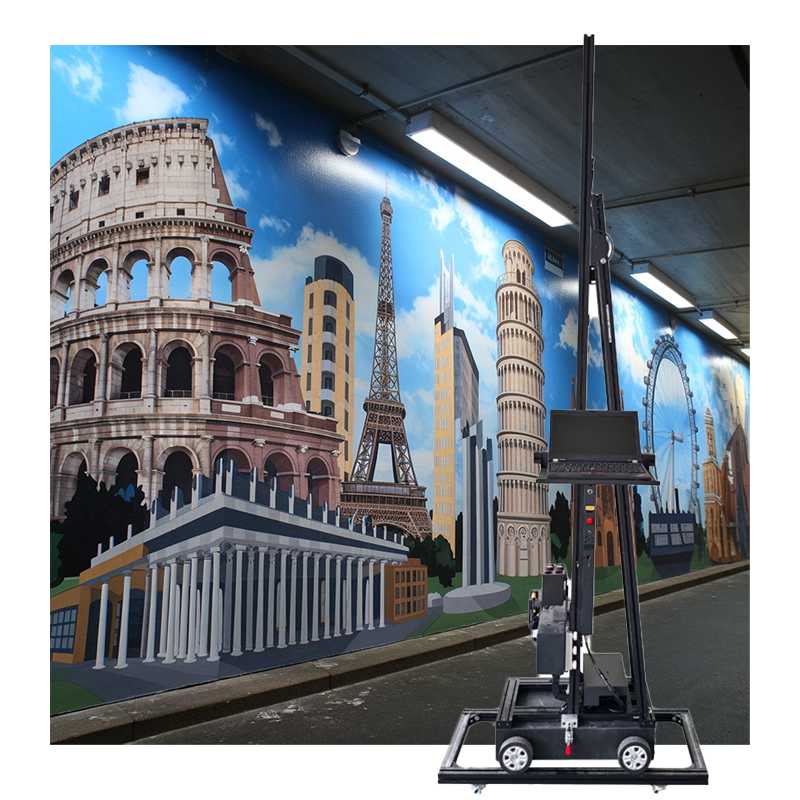
Wall printers are inkjet machines that slap designs right onto walls or other upright surfaces. A 3D wall printer uses fancy printheads to squirt UV-curable ink on all sorts of materials, cranking out sharp designs with depth and texture. They run on a beefy control system that plays nice with software like Photoshop, BetterPrinter, and UltraPrint.
What Materials Get Used in 3D Wall Printing?
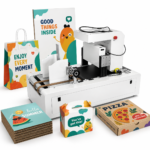
We use a super durable UV ink that dries in a snap under the built-in UV lamp and sticks to pretty much any surface. Thus plaster, wallpaper, wood, brick, latex paint, stone, clinker, plastic, metal, glass, most tiles and many other materials can be printed without any problems. This flexibility is a huge win for 3D wall printers.

Checking Out How Durable Lighter Wall Prints Are
Are Lighter Wall Prints More Durable Than Heavier Ones?
How long a print lasts doesn’t just depend on how “heavy” it is with color or ink. Lighter prints can actually hold up better sometimes because they put less stress on the wall and are less likely to crack or peel over time. But it also hinges on the ink mix, curing tech, and what kind of weather the print’s facing.
UV inks make prints waterproof, fade-resistant and durable and can last outdoor 3-5 years and indoor 15-20 years. This goes for both light and heavy prints if you do it right.
How Does Print Weight Mess with Adhesion and Surface Strength?
Heavier prints with thick ink layers might not stick as well if the wall’s not prepped properly. Too much ink can pool or cure unevenly, especially on rough or porous surfaces. Lighter prints dry quicker and stick more evenly since they use less ink.
That said, modern wall printers keep things tight with precise control.
What Affects How Long 3D Wall Prints Last?
Environmental Stuff That Impacts Print Life
Sunlight, humidity, temp swings, and scratches all play a role in how long prints last. High-moisture spots can wear down ink faster unless you seal it right. Same deal with direct sun—fading’s a risk without UV-resistant inks.
How Do Printing Tricks Affect Durability?
How durable a print is depends on resolution, ink layering, and drying tech. For instance, Our Epson I1600 printheads achieve up to 2880 dpi with a lifespan of 4000㎡, pumping out crisp images with fine details that boost both looks and staying power.
Plus, Hanjie’s laser positioning and electric printhead lifts keeps images lined up perfectly, cutting down on distortion that could weaken the stick over time.
Why’s Surface Prep So Key for Long-Lasting Prints?
Getting the wall ready is everything for prints that stick around. Dirty or bumpy walls can push ink away or make it go on uneven. UV-curable ink used in machine-printed murals cures instantly under UV light, forming a film with excellent coverage, independent of the wall’s surface texture. Still, cleaning and priming the wall is a must for the best bond and finish.
How Do I Keep My 3D Wall Prints Durable?
Top Tips for Prints That Last
Use UV-resistant inks for bright colors
CMYK+W inks can dry in a flash, skip the stink, and hold up against water and sun. These keep colors popping and fight fading from sunlight.
Prep walls like a pro before printing
Scrub the surface clean and patch up cracks or holes first. Smooth walls give you better results for both light and dense designs.
Slap on protective coatings after printing
After printing on the floor, we recommend applying a layer of clear protective varnish on top, which can be bought in local paint shop. This shields the print from scratches, foot traffic, and cleaning.
Steer clear of wet or hot spots
Pick indoor walls away from bathrooms or kitchens if you can. For outdoor prints, make sure they’re UV-ink based and sealed tight.
Maintenance Hacks to Stretch Print Life
Clean gently without rough stuff
Use soft cloths or sponges with mild soap. Skip scrubbers that could mess up the print layer.
Check for wear or peeling regularly
Routine peeks catch early damage so you can fix it before it’s a big deal.
Reapply protective layers when needed
Recoat busy areas yearly or as needed, depending on how much wear they get.
Meet Hanjie and Their Wall Printer Tech
Who’s Hanjie and What Makes Their Wall Printers Pop?
Zhengzhou Hanjie Intelligent Technology Co., Ltd. focuses on the field of digital printing. After years of hard work, it has accumulated rich industry experience and is committed to providing customers with innovative wall printing solutions.
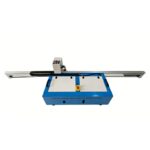
Our HJ Series printers pack slick features like dual Epson heads (DX10/I1600), modular tracks for scaling up and easy software hookups.
Wall art printers lean on UV-curable inks and smart tech to churn out high-res designs. Top models like the HJ-426 and HJ-928 come with laser guides, ultrasonic sensors, and electric printhead lifts to nail perfect alignment, even on wonky walls.
All products use cutting-edge technology and high-quality components to ensure clear, colorful and durable printed images, while also having excellent stability and adaptability to complex environments.
How Do Hanjie Wall Printers Make Prints Last?
Our machines use heavy-duty UV-curable CMYK+W inks that shrug off water, sun, and scratches. We also offer optional 3-in-1 UV coating for smooth surfaces such as glass, stainless steel, and acrylic which enhances ink adherence further. Our training system ensures users understand maintenance practices essential to preserving print quality over time.
FAQ
Q: What’s the best wall thickness for 3D wall printing?
A: There is no definite best wall thickness as it depends on several factors like surface texture and material type. Smooth concrete or plaster performs best.
Q: Can I use a 3D wall printer on all types of walls?
A: Not all. However, most materials like Plaster, wallpaper, wood, brick, latex paint, stone, clinker, plastic, metal, glass and most tiles can be printed without any problems.
Q: Is it possible to make outdoor prints with a 3D wall printer?
A: Absolutely. Our UV inks are weather-resistant. Wall printing can last outdoor 3–5 years and indoor 15–20 years.