





Factors Shaping the Price of Vertical 3D Wall Printers in China
What Are the Key Components That Influence Manufacturing Costs?
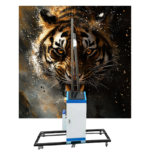
The expense of making a vertical 3D wall printer in China depends on various connected elements. Main parts include basic materials, electrical parts, and workforce. Strong aluminum structures, exact print nozzles, and UV ink setups make up the main build and working heart of every printer. Our Epson I1600 printheads reach up to 2880 dpi. They ensure clear pictures with small details. These top printheads add a lot to total making costs. Yet they also promise expert-level wall printing design quality.
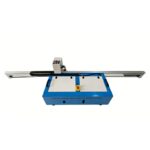
Electrical setups like movement controls, laser position units, and sound wave sensors raise making expenses more. The printer has a very exact sound wave sensor. It can spot the space automatically while printing. This makes sure of right printing on walls. Even if surfaces are not smooth, it works well. That is key for keeping steady outcomes in big projects.
Workforce and quality checks form another big cost group. Trained workers put together each wall printer by hand. They adjust sensors and check print straightness before sending it out. All machines pass through many-step tests by workers before delivery. This makes sure they arrive in good shape for customers. These careful reviews promise dependability. But they add clear workforce extra costs to every unit made.
How Supply Chain Efficiency Impacts Production Costs
Managing the supply chain has a big role in setting final prices for wall printers for sale. Getting aluminum shapes, engines, and electrical boards from nearby places cuts transport fees. It also shortens wait times. But worldwide supply chain problems—like chip shortages—can boost part prices without warning.
Chinese makers like Hanjie handle these dangers with better transport systems and lasting supplier ties. Good stock control lets us keep steady prices even in shaky market times. We work with local suppliers for vital parts such as UV lights and printhead parts. This cuts waits while keeping even quality in our product ranges.
The Relationship Between Manufacturing Costs and Market Pricing
How Do Production Expenses Translate Into Retail Prices?
Makers figure out final shop prices by mixing material costs, workforce efforts, factory extras, and profit shares. For example, the price of our full wall printer usually falls between $5,000–$7,000. It varies by the model and setup of the machine. Bigger making amounts allow cost savings per unit. This happens through large buys and automatic putting-together steps.
Changes in exchange rates between RMB and USD also affect export price plans. When the yuan gets stronger against the dollar, buyers from other countries might see small price rises. This comes from less benefit in money switching.
Why Are Some Vertical 3D Wall Printers More Expensive Than Others?
Price differences among various models often come from gaps in tech use and build strength. Top models such as Hanjie’s HJ-928 or HJ-426 have two Epson printheads. They give resolutions up to 2880 DPI for very fine details in printing on walls. Machines with automatic adjust systems or smart height spot sensors cost more. This is due to their exact building work.
Also, warranty plans and after-sale help affect seen value. We offer one-year warranty service on the whole machine plus free parts swap (print heads are used-up items). Full tech support makes sure of little stop time for business users. That is an important point for supporting high price levels.
Technological Advancements Driving Cost Variations
The Impact of Innovation on Manufacturing Efficiency
Ongoing new ideas have changed how modern wall printers are made and used. Automatic putting-together lines cut hand work. They also boost evenness across groups. Automation in putting-together lines lowers need for hand work and mistake levels. Better ink spray control systems raise exactness. At the same time, they cut waste in wall printing tasks.
Hanjie’s machines use piece-by-piece designs that make upkeep tasks easier for final users. Our machines’ modular design allows heights up to 3.5 meters with unlimited width using extendable tracks. This boosts ease of moving. It also cuts long-term owning costs. That is because broken parts can be swapped one by one. There is no need to change whole structures.
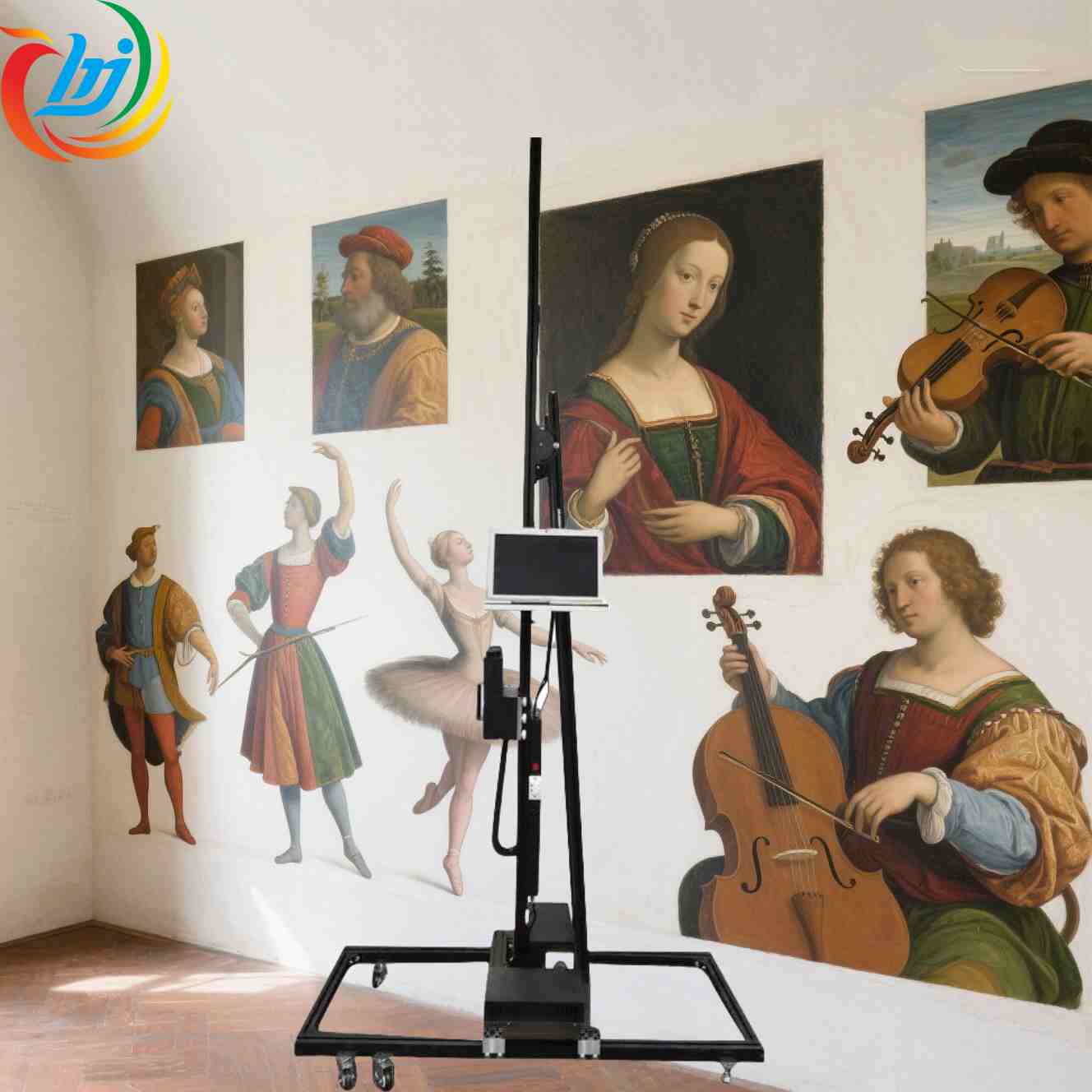
How Material Innovation Affects Pricing Trends
Choosing materials directly shapes both cost setup and performance length. Light but tough metal mixes cut sending costs. They keep mechanical steadiness during use. At the same time, green UV-curable inks show a rising pattern among buyers who care about the earth. UV ink is a solvent-free ink. It does not hold a lot of volatile organic compounds (VOCs) like old solvent-based inks. So it harms air pollution and human health less. Though a bit pricier than usual types, these inks boost earth safety. They do so without losing lasting power. This makes them part of the strongest printing way for wall decor uses.
Regional Factors Affecting Vertical 3D Wall Printer Prices in China
How Do Geographic Locations Influence Manufacturing Costs?
Place on the map greatly affects factory extras in China’s making system. Coastal areas like Guangdong gain from built-up setups and nearness to world ports. This lowers transport costs linked to sending done units to other lands. Inner land factories might have cheaper workforce costs. But they deal with higher sending fees when moving gear overseas or getting brought-in parts.
Work zones along China’s east coast build rivalry among suppliers of aluminum shapes, engines, and UV lamp parts. This helps keep prices steady across different models of vertical 3D wall printers.
Hanjie’s Contribution to the Vertical 3D Wall Printer Industry in China
What Makes Hanjie’s Wall Printer Stand Out?
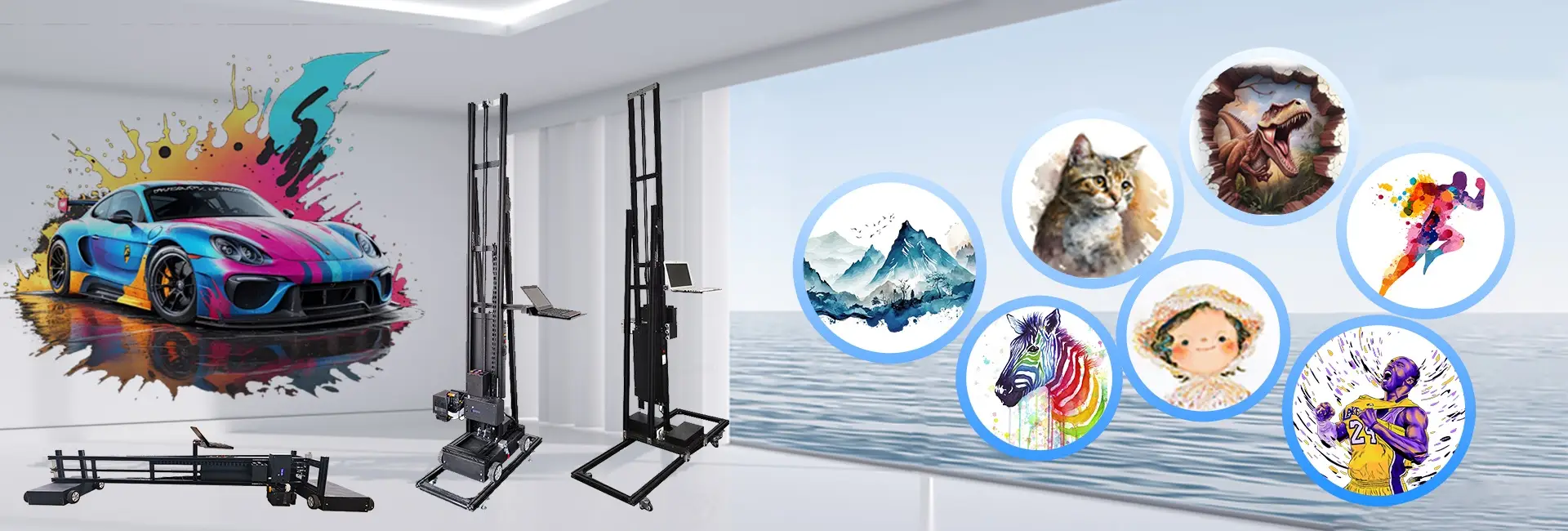
At Hanjie, we focus on creating advanced digital answers that change printing on wall surfaces through new ideas and exact building. Hanjie centers on digital printing. Our vertical 3D wall printers mix top hardware with easy-to-use control programs such as Photoshop, BetterPrinter, and UltraPrint. They work smoothly in many languages.
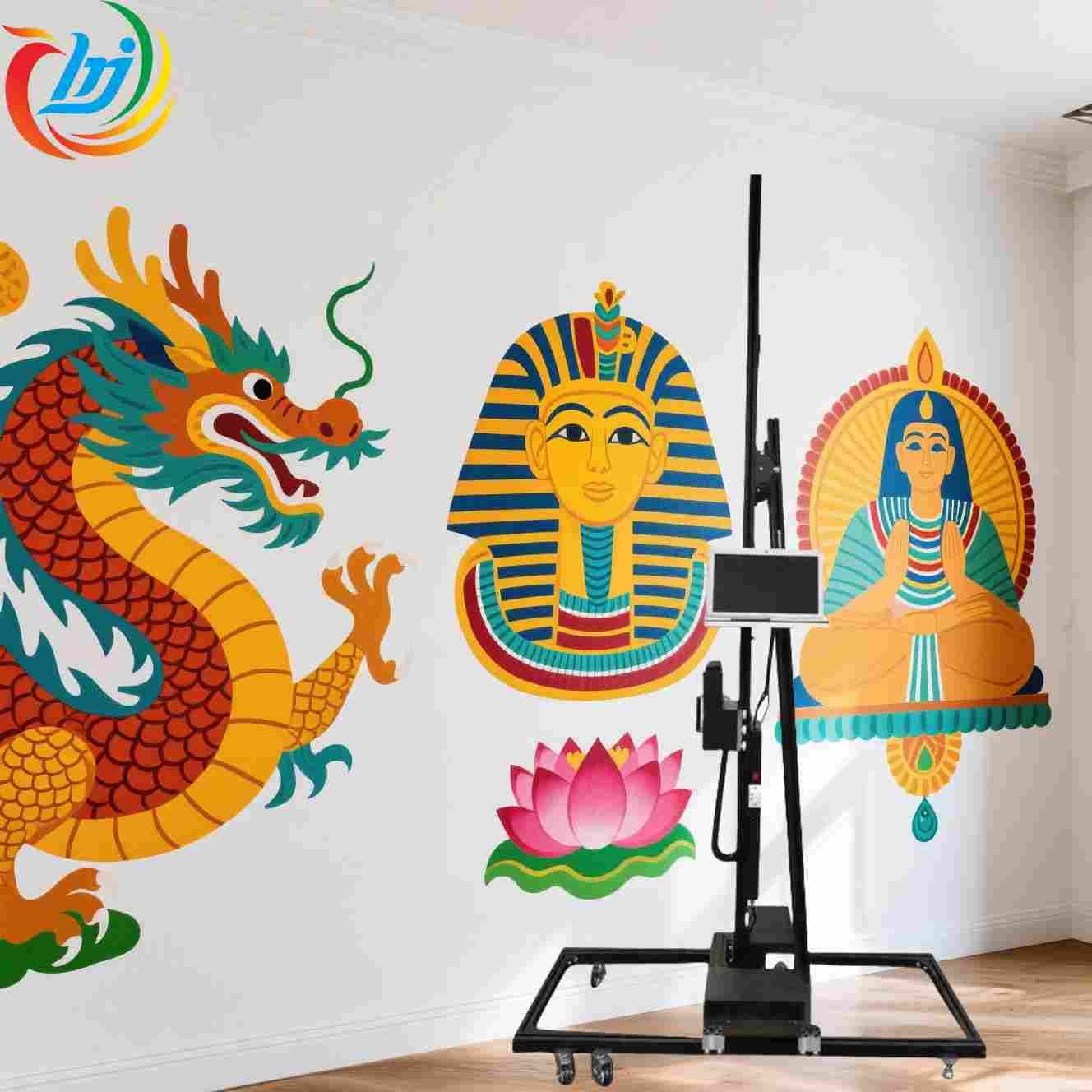
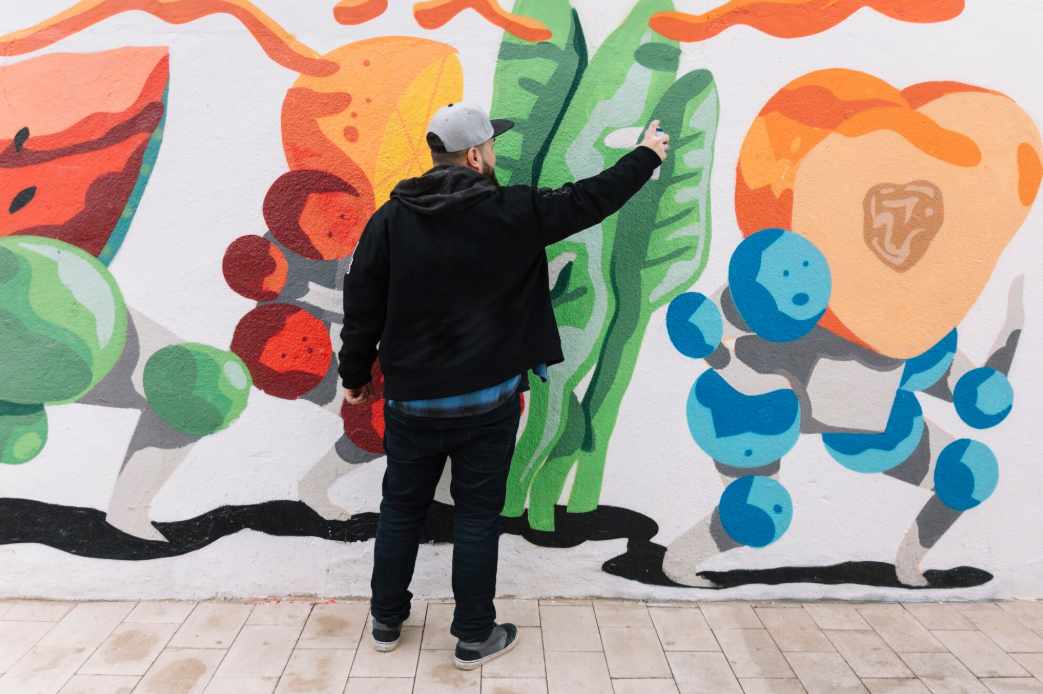
Our products use top tech and fine parts to promise clear, bright, and lasting printed pictures. Set with CMYK+W five-color UV inks that dry right away under UV light, our printers make water-proof, sun-proof murals. They fit both inside decor jobs and outside ad setups.
We stress tight quality promise steps before sending. Each unit goes through full tests in fake work settings. This checks straightness exactness and color evenness. Our models like the HJ-426 mix two-use work for both floor pictures and straight murals. They come at a fair buy level. This suits new businesses looking into 3D wall printing chances around the world.
FAQ
Q: Why are Chinese vertical 3D wall printers popular among international buyers?
A: Chinese makers give cheap solutions backed by top making skills and bendy custom choices. These meet varied market wants without losing quality or work steadiness.
Q: How long does a vertical 3D wall printer typically last?
A: With right care—including steady cleaning fluid upkeep—the printer can work well for five to seven years or more. It depends on how often it is used and things in the air that affect ink steadiness.
Q: Is it worth investing in a high-end vertical 3D wall printer from China?
A: Yes. Top models give better clearness exactness up to 2880 DPI, quicker output speeds (6–14 m²/h), lower ink use rates around $0.3–$0.5 per square meter, and strong after-sale help. All these are key traits for pro users wanting reliable work in business wall printing firms or art mural making efforts shown on global wall printer news sites.