Home » News » Page 3
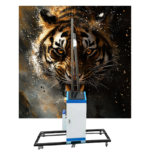
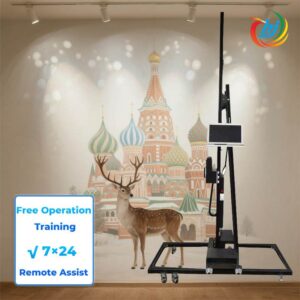
Comparing Vertical Wall Printing and Traditional Wallpaper in Commercial Spaces What Makes Vertical Wall Printing Different from Wallpaper? Vertical wall printing has changed contemporary interior design. It combines direct-to-wall inkjet technology. This tech prints artwork straight onto surfaces. Traditional wallpaper needs pre-printed rolls and adhesive application. But this method employs a wall printer to create smooth, sharp images right on location. Wall art printers rely on UV-curable inks and clever control systems. They produce clear designs on various surfaces. This technique removes the need for repeating patterns or tangible supplies. It gives businesses options for special branding or big murals. Traditional wallpaper depends on printed sheets from paper or vinyl. These get applied with glue. That glue can release chemical smells during setup. On the other hand, wall printing design provides a digital process. You just load an image into software like Photoshop. Then print it right on the wall. The method cuts down on handwork. It ensures accuracy with laser positioning systems and electric lift changes. Our wall printers apply laser positioning and printheads’ electric lifting. This allows exact printing on mildly rough surfaces. It avoids twisting, which hand-painting often faces. The two approaches vary a lot in material
What to Look for When Choosing a Wall Printer Supplier Why Supplier Reliability Matters for Your Investment A dependable wall printer supplier plays a key role when you invest in digital mural technology. Steady product quality, reliable technical help, and prompt delivery can decide if your business grows or faces expensive delays. Building a lasting partnership with a solid supplier guarantees smooth operation. This cuts down on repair expenses and work stoppages. Trustworthy suppliers also offer guarantees, replacement parts, and follow-up service that safeguard your spending over the years. For example, we give online training to buyers. No matter if you bought our machine three months ago or three years ago, our experts will still help you fix any issues. This kind of dedication shows how supplier dependability directly affects the outcome of your wall printing business. Key Factors That Define a Reliable Wall Printer Supplier When checking out possible suppliers for printing on walls or 3D wall printing tasks, pay attention to a few vital aspects. Product quality needs to come first. Machines should offer sharp accuracy and toughness during steady use. Background and standing in the field matter just as much. A supplier with plenty of know-how is
Why Regular Servicing Matters for a 3D UV Wall Printing Machine What Happens If You Skip Routine Maintenance? Skipping maintenance on a 3D UV wall printing machine can cause many performance problems. Dust and ink buildup disrupts the accuracy of printing on walls. This leads to fuzzy edges or uneven color spread. Over time, mechanical wear raises the chance of nozzle clogs or irregular printing. Such issues harm the final wall printing design. Moreover, ignoring maintenance lowers UV curing effectiveness. As a result, prints suffer from weak adhesion and quicker color loss. These problems reduce the strength of prints, even with the toughest printing approach for wall decor. UV inks create prints that resist water, fading, and wear. They can endure outdoors for 3-5 years and indoors for 15-20 years. Without steady servicing, this durability is impossible. Clogged nozzles or fading UV lamps block proper curing. How Maintenance Enhances Print Quality and Longevity Steady maintenance makes sure every part works at its best. Routine cleaning allows ink to flow evenly through the printhead. This guarantees bright outcomes in every wall printer task. Adding lubricant to moving parts cuts down friction. It also lengthens the life of mechanics. This is especially
Factors Shaping the Price of Vertical 3D Wall Printers in China What Are the Key Components That Influence Manufacturing Costs? The expense of making a vertical 3D wall printer in China depends on various connected elements. Main parts include basic materials, electrical parts, and workforce. Strong aluminum structures, exact print nozzles, and UV ink setups make up the main build and working heart of every printer. Our Epson I1600 printheads reach up to 2880 dpi. They ensure clear pictures with small details. These top printheads add a lot to total making costs. Yet they also promise expert-level wall printing design quality. Electrical setups like movement controls, laser position units, and sound wave sensors raise making expenses more. The printer has a very exact sound wave sensor. It can spot the space automatically while printing. This makes sure of right printing on walls. Even if surfaces are not smooth, it works well. That is key for keeping steady outcomes in big projects. Workforce and quality checks form another big cost group. Trained workers put together each wall printer by hand. They adjust sensors and check print straightness before sending it out. All machines pass through many-step tests by workers before delivery.
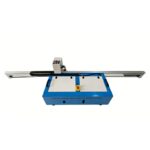
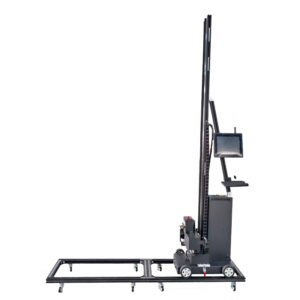
What Determines the Vertical Wall Printer Machine Price? Critical Factors Defining Machine Pricing The vertical wall printer machine price relies on several technical and practical aspects. Machine setup, printing pace, and ink method technology greatly shape the expense breakdown. For example, printers with dual Epson printheads (DX10/I1600) provide excellent printing accuracy and speed reaching 2880 dpi. This boosts their worth over simple setups. All items employ modern technology and top-notch parts. They ensure sharp, vibrant, and lasting printed images. They also offer great reliability and flexibility in tough settings. Higher-end versions give better results for printing on walls, glass, or tiles. Material strength also affects the price. Sturdy aluminum-alloy frames and collapsible rails boost ease of transport and durability. The new aluminum-alloy profile track is tough and easy to fold. These materials cut down on repair expenses in the long run. They add ongoing worth. Software fit is yet another vital element. Hanjie’s wall printers link with industrial PCs or laptops using Photoshop, BetterPrinter, and UltraPrint software for smooth vertical printing. This setup aids easy processes for wall printing design experts who need high-detail outputs. Upkeep needs can additionally shape costs. Devices with auto nozzle cleaning or low-ink alerts cut
Key Elements That Shape the Price of Wall Printers for Sale What Are Wall Printers and How Do They Work? Wall printers are sophisticated digital printing devices that apply images, patterns, or text straight onto upright surfaces. They employ specialized printheads to spray UV-curable or eco-solvent inks in accurate layers. This creates high-definition graphics. Wall art printers rely on UV-curable inks and intelligent control systems to produce sharp designs on various surfaces. The technology allows large-scale printing on materials like plaster, brick, glass, metal, and wood. Vertical wall printers find broad use in home decoration, advertising, educational facilities, and commercial spaces. They enable wall printing design with accuracy that manual painting methods cannot match. Wall printers produce effects like 3D visual relief textures. These are difficult to achieve by hand. Why Do Wall Printer Prices Vary So Widely? The price range of wall printers for sale hinges on several technological and market factors. Variations in printhead types, resolution capability, machine size, and automation degree greatly affect the cost. Market demand also influences prices. For instance, areas with expanding mural or décor industries often see higher costs because of import duties and shipping expenses. Customization choices like adjustable track length, various
Factors That Lead to Inconsistent Color Quality in a Wall Printer Vertical What Causes Uneven Color Output During Vertical Printing? When doing printing on walls, one of the most frequent problems faced is uneven color quality. Changes in ink flow or pressure can create irregular tones. This happens particularly when the ink delivery system lacks proper balance. Outside factors like humidity and temperature shifts also impact pigment stability. As a result, they can produce muted or overly intense spots within the same wall printing design. Rough wall textures, such as plaster or brick, might take in ink at different rates. This leads to spotty outcomes. Our machines rely on UV ink for quick curing. They work well on various surface types, including walls, glass, tiles, metal, and wood. Thus, even if different wall surfaces absorb ink in varied ways, the UV-curable formula provides greater uniformity than old solvent-based inks. Still, if surface preparation is inadequate or moisture stays trapped in the wall, even modern UV printing might display minor tone differences. The Impact of Printer Calibration and Settings Printer calibration is key to keeping steady hues and saturation during vertical wall printing. Wrong calibration can lead to mismatched tones between
What Makes a Wall Printer Machine Suitable for Custom Surface Applications? How Do Wall Printer Machines Work on Different Surfaces? Contemporary wall printer machines are built to manage various materials. This makes them perfect for tailored surface tasks. The heart of this flexibility comes from upright printing methods. These methods permit printing on walls constructed from plaster, concrete, or wood. We employ a highly robust UV ink. It hardens right away beneath the built-in UV curing lamp. And it works well on nearly every material surface. So, plaster, wallpaper, wood, brick, and numerous other materials can be printed without issues. This approach guarantees that printing on wall surfaces with varied makeup keeps strong image quality. The inkjet setup plays an essential part in adjusting to diverse textures. UV-curable ink in machine-printed murals hardens quickly under UV light. It solidifies at once after printing. This forms a layer with great coverage. The process does not rely on the wall’s surface texture. This quick hardening stops smearing. It also boosts sticking even on absorbent or shiny surfaces. Things like porosity and color affect how inks stick. Thus, printers with modern calibration software automatically tweak color strength to fit the base material’s traits.
Essential Steps for Preparing to Use a UV Wall Printer What Are the Initial Setup Requirements for a UV Wall Printer? Before running a UV wall printer, you need to ready the workspace carefully. First, pick a good spot with plenty of room for the machine’s rails and motion. The space must offer good airflow to clear out any small vapors produced while printing. A reliable electricity source is vital. Most UV wall printers run on 110V–220V, matching typical power setups. Workers should also gather safety gear like safety glasses and hand coverings to avoid contact with UV rays or ink substances during use. How to Properly Install and Calibrate the Printer? Correct setup guarantees steady print results and safeguards the printer’s parts. Stick closely to the maker’s directions when putting together the printer pieces. This includes fitting the rails and fastening the printhead holder. Setup and takedown are quite straightforward. The user-friendly design lets parts come apart easily and fit into a carry bag. The whole setup process is straightforward and takes only about 10 minutes. After putting it together, calibration matters a lot for precise wall printing placement. Many current wall printer devices rely on laser guidance systems
Factors Influencing Wall Mural Printer Machine Price What Are the Key Components That Determine Pricing? The wall mural printer machine price relies on various main elements. It starts with the materials applied in building the device. Units made from top-quality aluminum alloy or sturdy industrial steel frames usually cost extra. Yet, they provide better strength and steadiness. Technology setup forms another vital aspect that shapes wall printer machine cost. Options like paired Epson printheads that reach up to 2880 DPI sharpness add a lot to the price. Laser guidance systems and self-adjusting height detection also play a big role. The Epson I1600 shows how cutting-edge printhead tech delivers fine accuracy and sustained output. Production methods hold an essential part too. All machines undergo various testing procedures by skilled workers before delivery. This ensures they arrive in fine shape for customers. These steps secure product uniformity and client contentment. However, they naturally boost making costs. Those costs show up in the final wall printing machine price. How Does Build Quality Affect Price? Build quality links straight to both output and expense. Top-notch materials boost toughness and cut down shaking during printing. As a result, this leads to clearer images. Exact engineering