Home » News » Page 4
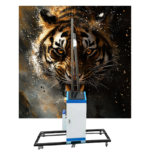
Technical Complexities of 3D Vertical Wall Printers How Do 3D Vertical Wall Printers Work? 3D vertical wall printers are sophisticated digital inkjet devices built to print straight onto walls. They produce detailed images and murals. These wall art printers rely on UV-curable inks and clever control systems to form sharp designs on various surfaces. Hardware setup is just as vital for these machines. The control system includes an industrial PC or laptop, plus Photoshop, BetterPrinter, and UltraPrint software. Newer printers feature laser positioning systems. They also use electric lift mechanisms for printheads and ultrasonic sensors. These help keep the right distance from rough surfaces. Our wall printers apply laser positioning and electric lifting for printheads. This allows accurate wall printing on mildly uneven areas without distortion. Hand painting often fails here. Thus, this setup provides exact alignment. It also ensures steady ink spread over tricky wall textures. What Are the Current Limitations in Precision and Accuracy? Even with their advanced tech, 3D vertical wall printers encounter issues in keeping precision in different settings. Alignment mistakes can happen if calibration goes wrong. Or, factors like humidity might affect ink curing. Advanced sensors help, but warped or absorbent surfaces can still twist
Exploring the Impact of 3D Wall Printer Price on Creative Scalability How Does the Cost of a 3D Wall Printer Affect Artistic Innovation? The price of a 3D wall printer greatly shapes how artists and companies expand their imagination. Buying cutting-edge printing gear can boost creative production a lot. It enables exactness, quickness, and flexibility. Wall art printers rely on UV-curable inks and clever control setups to produce sharp designs on various surfaces. Thus, even with steeper prices, the payoff usually shows up in better artistic outcomes and smoother operations. Yet, tight budgets can restrict trials. Artists unable to buy top models might struggle with big-scale or multi-material work. Here, weighing expense against future earnings is key—particularly for those building art into commercial efforts. The proper buy not only delivers excellence but also lasting gains through lower upkeep and supply expenses. Is Expensive Always Better? Evaluating Cost vs. Quality Though premium 3D wall printers typically feature top-notch parts and fresh capabilities, a bigger price label does not always mean superior performance. For example, our Hanjie HJ-725 model includes twin Epson printheads. These provide up to 2880 DPI sharpness at a reasonable cost, suiting experts who want both value and excellence.
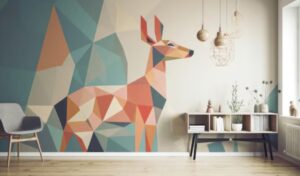
Key Features of Wall Art Printers in 2026 What Makes Wall Art Printers Stand Out? Wall art printers have developed into robust digital devices that transform how designs appear on surfaces. Their sophisticated printing methods produce high-quality images that match classic artwork. This accuracy delivers clear images with subtle details. Such precision aids both creative and business projects that need complex details and bright color replication. Flexibility stands out as another key trait. These printers work on walls, glass, tiles, metal, and wood. They keep steady performance and exact image placement systems. Whether for home decoration or company branding, these devices adjust well to different materials. User-friendliness has grown in importance too. Software setup and adjustment happen before the factory ships the unit. Once the machine arrives and you put it together, simply load pictures into the software to begin printing. Touchscreen controls and automatic adjustment features let even novices produce expert outcomes fast. Technological Innovations Enhancing Wall Art Printing AI-powered software now allows automatic picture improvement and instant color fixes. This keeps every mural or graphic with even shades over big areas. Wireless links enable distant control. Operators can manage printing jobs from phones or tablets. Green printing gains
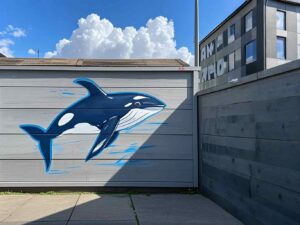
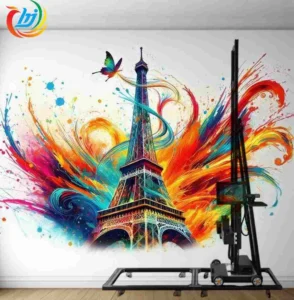
The Role of Vertical Wall Printers in Modern Advertising What Are Vertical Wall Printers? Vertical wall printers are sophisticated digital printing devices that apply high-quality images straight onto walls, glass, metal, or concrete surfaces. These wall art printers employ UV-curable inks and intelligent control systems to produce clear designs on various surfaces. Unlike old-school printing approaches that depend on banners, posters, or vinyl wraps, vertical wall printers spray ink directly onto the wall through exact nozzles controlled by computer programs. This method skips manual painting and guarantees precise copying of digital artwork. Old printing methods usually involve several stages, such as preparing the surface, applying adhesive, and adding lamination after installation. In comparison, a vertical wall printer like our Hanjie HJ series combines automatic calibration, laser positioning, and UV curing technology to provide quick outcomes. UV lamps allow immediate drying of the printed patterns. As a result, businesses can create bright visuals without waiting for paint to dry or handling setup mistakes. The advantages for advertising are substantial. Vertical wall printers allow big graphics with precise color sharpness and strong durability. UV inks make prints water-resistant, fade-proof, and tough, lasting outdoors for 3-5 years and indoors for 15-20 years. They
What Makes a Wall Printer Stand Out in Quality? A superior wall printer sets itself apart with exactness, sturdiness, and flexibility. The Epson printheads of Hanjie’s Wall Printers deliver up to 2880 dpi along with a service life of 4000㎡. They produce clear images full of subtle details. This degree of exactness helps detailed designs and smooth color transitions look sharp even on rough surfaces. Plus, the laser positioning system and printheads’ electric lift provide precise image placement. These elements ensure steady outcomes on big walls. You get no warping or shifting. Sturdiness marks another key trait of a top wall printer. UV inks render prints water-resistant, color-stable, and tough. They endure outdoors for 3-5 years and indoors for 15-20 years. This enduring quality lets printed murals resist sun exposure, dampness, and wear. Moreover, our inks set right away. They remove smells while staying water- and light-proof. The skill to print on different surfaces like brick, plaster, wood, or glass boosts the printer’s range. How Does a High Quality Wall Printer Ensure Image Durability and Longevity? Top wall printers such as Hanjie’s HJ-726 use UV-curable inks. These inks create a shielding layer on the surface right after printing. The
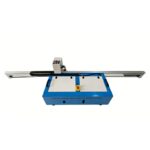
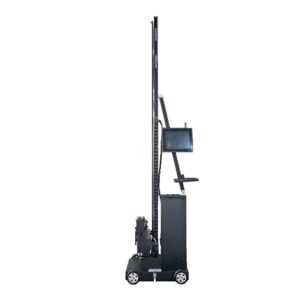
What is a Wall Printer Machine? A wall printer machine is a digital printing device built to print high-resolution images right onto vertical surfaces. It runs on advanced inkjet technology and UV-curable inks to create strong, bright, and detailed murals. Wall art printers rely on UV-curable inks and clever control systems to produce high-resolution designs on surfaces. The main parts include dual Epson printheads, laser positioning systems, modular tracks, and industrial control software. These elements team up to guarantee accuracy and steadiness during printing. Hanjie has created several models of wall printer machines that meet different needs—from home decoration to big commercial projects. All products employ the latest technology and top-quality components to ensure sharp, vibrant, and lasting printed images. They also show great stability and flexibility in tough settings. How Do Wall Printer Machines Operate? Running a wall printer follows a clear process. The entire printing process has three steps. First, import the picture into Photoshop and switch the color to CMYK. Second, enter the adjusted TIFF format file into the RIP software. Third, load the data from the RIP software into the printing software. Finally, press the start button to begin printing. Wall printers work well with
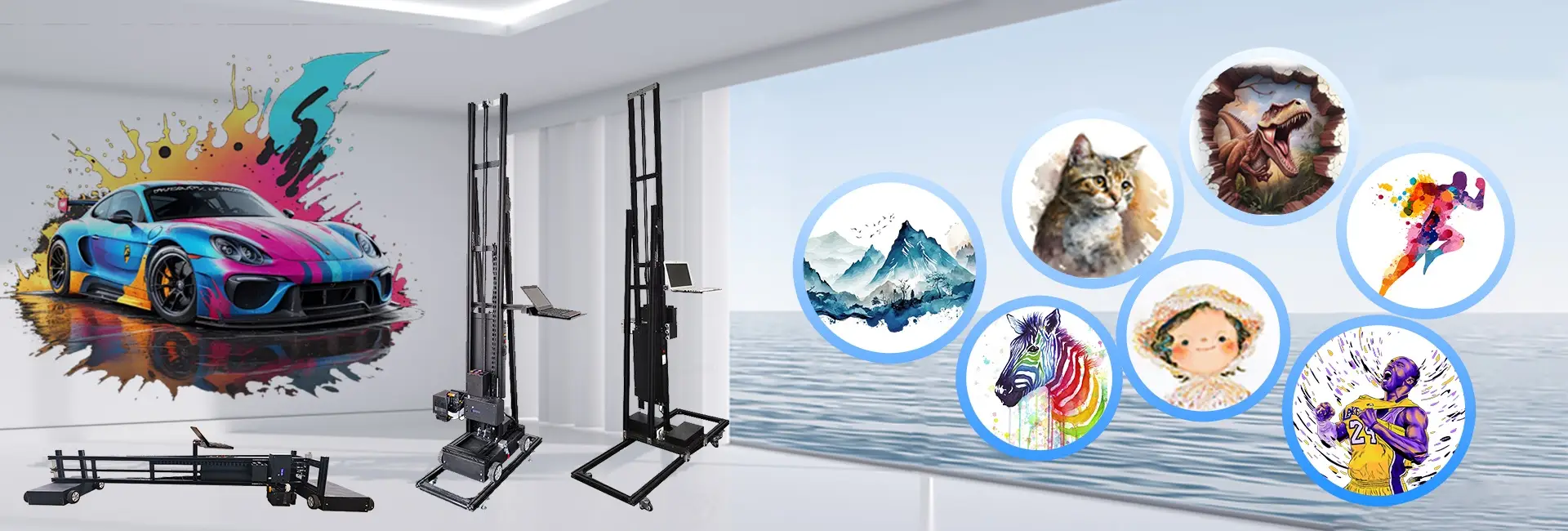
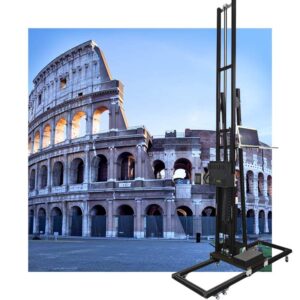
The Importance of Vertical Wall Printing Machines What Are Vertical Wall Printing Machines? Vertical wall printing machines mark a significant advancement in digital printing. They allow direct printing on upright surfaces like walls, glass, tiles, and metal with great accuracy and bright color output. The HJ series wall printing machines offer endless printing width and a top adjustable printing height of 4 meters. They employ UV ink for quick curing and fit various surface types such as walls, glass, tiles, metal, and wood. These devices find broad use in home decor, ad design, schools, and business branding. Main features cover sophisticated UV-curable ink setups, paired printhead tech for quicker results, and laser guidance for exactness. They provide reliable performance and an accurate image placement system. Their flexibility lets users apply murals, logos, or images straight onto surfaces without vinyl or paint. Typical uses span multiple fields—from interior experts making tailored murals to ad firms creating big promotional visuals. Usage cases involve home improvement firms for accent walls, ad companies for brand walls, learning centers for display art, and business starters offering on-site wall art services. How Do Vertical Wall Printing Machines Work? These printers function via an automatic method that
What Are the Initial and Ongoing Costs of Owning an Inkjet Wall Printer? How Does the Inkjet Wall Printer Price Compare to Total Ownership Costs? When assessing the inkjet wall printer price, remember that the starting expense is just one piece of the financial picture. A standard Hanjie wall printer, like the HJ726 or HJ928, might range from $5,000 to $10,000 based on the specific model and setup. Yet, this initial outlay overlooks other vital elements. Extra expenses cover setup, instruction, and starting supplies. Hanjie delivers online guidance and clear setup step. For smart planning, think about the total cost of ownership (TCO). It factors in repeated costs such as supplies, upkeep kits, and potential program updates. Grasping total cost of ownership aids in sound budgeting. It also supports steady business operations. What Are the Key Components That Contribute to Long-Term Maintenance Costs of Inkjet Wall Printers? In the long run, keeping top performance demands focus on several main parts: Frequent swaps of ink cartridges and print heads. The Epson I1600 print head in our printers lasts up to 4,000㎡. Still, you need to check its condition often. Program updates and firmware checks ensure reliable work. Luckily, we supply free
Wall printing is a remarkable technology. It enables companies to apply crisp, vibrant images directly onto walls, tiles and various vertical surfaces. As demand for personalized wall decor and large murals increases, more businesses are acquiring upright wall printing machines. They seek to deliver this innovative service. However, like other sophisticated equipment, wall printers demand regular maintenance. This ensures they operate at full capacity and produce consistent results. A common issue that wall printer operators encounter is ink system clogging. When overlooked, this problem can result in subpar print quality, damaged components and costly interruptions. A well-maintained wall printer machine functions reliably and efficiently. Therefore, ink system flushing serves an essential purpose in preventing clogs. Why Is Ink System Clogging a Problem for Wall Printing Machines? What Are the Main Causes of Ink System Clogging in Wall Printers? Ink system clogging occurs when the ink in the wall printer machine hardens, thickens, or accumulates in the printhead, tubes, or other components. Various common factors contribute to this clogging: Inconsistent Ink Flow: If the ink flow system is not configured correctly or the ink quality is poor, it results in irregular ink distribution. As a result, this produces clogs and inconsistent
As the need for tailored wall art and big digital prints keeps rising, the role of the vertical wall printer manufacturer has grown more crucial. Wall printing isn’t merely about simple image copying anymore. Instead, it’s about delivering top-notch, tough, and exact prints on diverse surfaces. This applies whether someone is making murals, home decorations, or business branding. Picking the proper wall printer machine is key to achieving outstanding outcomes. Yet, what really sets apart a high-end vertical wall printer manufacturer? The solution rests in the caliber of materials, parts, and design elements. These ensure both strong performance and lasting durability of the device. In this piece, we will look at the main materials and parts that mark a top-tier wall printer manufacturer. We will also explain why our items excel in the field. What Materials Are Essential for a High-End Vertical Wall Printer? Why Is the Frame Material Important for Vertical Wall Printers? The frame material holds a big part in the total toughness and steadiness of a wall printer machine. Leading vertical wall printer manufacturers pick solid but light materials, like aluminum, for the frames. Aluminum strikes a good mix of power and lightness. Thus, it helps the